


 Oil On CanvasWallArtRomanticism
 180819th Century
 55.0 x 46.0 cm
Printuri giclée sau pe canvas de calitate muzeală, cu proces de producție rapid și opțiuni flexibile de finisare. ( Comandă pictură lucrată manual Cumpără imaginea)





























Alegeți dintre dimensiunile noastre prestabilite, care respectă proporțiile originale ale operei de artă.

Puteți introduce propriile dimensiuni pentru a se potrivi unui anumit cadru sau spațiu. Dacă dimensiunea selectată nu corespunde proporțiilor imaginii originale, vom decupa lucrarea de artă sau vom extinde imaginea cu margini oglindite sau cu o culoare uniformă. Un mockup digital va fi trimis pentru aprobarea dumneavoastră înainte de începerea producției.
Vă rugăm să rețineți că previzualizarea de pe ecran nu reflectă decuparea sau extinderea reală. Doar mockup-ul va arăta cu exactitate compoziția finală.
Deși dimensiunile personalizate sunt disponibile, vă recomandăm să selectați o dimensiune din lista predefinită pentru a păstra proporțiile originale.
Livrare în întreaga lume () în 2 săptămâni, în loc de cele 4/5 săptămâni standard. (6 Septembrie)


David Jonston
Dimensiune reproducere
In the quiet depths of Pierre-Paul Prud'hon’s 1808 masterpiece, David Jonston, viewers are invited into a private moment of profound contemplation. This exquisite oil on canvas serves as a quintessential window into the heart of the Romantic era, capturing far more than a mere likeness of a young man. Through his masterful command of the medium, Prud'hon presents a subject whose gaze, directed slightly away from the viewer, suggests a soul lost in thought, perhaps reflecting on the fleeting nature of youth or the weight of personal destiny. The portrait is not simply a record of a face, but an exploration of the internal landscape, where a subtle, enigmatic smile dances on the lips, hinting at a hidden narrative known only to the sitter.
The technical brilliance of the work lies in Prud'hon’s sophisticated use of chiaroscuro, a technique that defines much of his celebrated legacy. By emerging from an indistinct, shadowy background, the figure of David Jonston gains a remarkable three-dimensionality, as if he were stepping forward from the darkness into the light of the viewer's presence. The soft, diffused lighting plays delicately across the subject’s fair skin and the intricate textures of his attire, creating a sense of palpable realism. This interplay of light and shadow does more than provide depth; it imbues the painting with a melancholic, dreamy atmosphere that is the hallmark of Prud'hon’s unique transition from Neoclassical precision to Romantic emotion.
Every detail within the frame contributes to the painting's aura of refined elegance. The subject is dressed in the formal fashion of the early 19th century, featuring a high-collared black coat that frames his face with stark, dignified contrast. Beneath this, the delicate ruffles of a white shirt add a touch of softness and aristocratic grace, showcasing the artist's ability to render varied textures—from the heavy weight of fine wool to the light, airy quality of linen. These sartorial elements do not merely ground the portrait in its historical moment; they serve as symbols of status and the structured social graces of the era, even as the subject's expression suggests a departure from such rigid formalities.
For the discerning collector or interior designer, David Jonston offers an unparalleled opportunity to introduce a sense of historical gravity and emotional depth into a space. As a high-quality reproduction, this piece brings the prestige of the French Romantic movement into the modern home, acting as a sophisticated focal point that sparks conversation and invites quiet reflection. Whether placed in a curated gallery wall or standing alone as a statement piece in a study, the painting’s ability to evoke nostalgia and timeless beauty makes it an enduring treasure for those who appreciate art that speaks to the complexities of the human spirit.

Pierre-Paul Prud’hon a reprezentat o figură esențială în istoria artei franceze, fiind puntea de legătură prin care s-a produs tranziția de la Neoclassicism la Romanticism. Născut în Cluny, Saône-et-Loire, călătoria sa artistică oglindește peisajul estetic în continuă schimbare al Europei de la sfârșitul secolului al XVIII-lea și începutul secolului al XIX-lea. El este celebrat atât pentru picturile sale alegorice, cât și pentru portretele sale, demonstrând o măiestrie a chiascurului și a realismului care a cucerit publicul și a influențat generațiile ulterioare.
Prud'hon a exercitat o influență considerabilă asupra generațiilor ulterioare de artiști francezi. Măiestria sa în utilizarea chiascurului, capacitatea de a conferi portretelor profunzime psihologică și sinteza stilurilor Neoclasice și Romantice l-au transformat într-o figură extrem de respectată în lumea artei. Artiști precum Théodore Géricault și Eugène Delacroix și-au recunoscut impactul său, extrăgând inspirație din compozițiile sale dramatice și din expresivitatea emoțională. Stendhal, Millet și Baudelaire au recunoscut, de asemenea, meritul artistic al lui Prud'hon, consolidându-i astfel locul în istoria culturală franceză.

1758 - 1823 , Franța

Explore the captivating world of Pierre-Paul Prud'hon, a pivotal French painter bridging Neoclassicism & Romanticism. Discover his allegorical masterpieces and lasting influence on 19th-century art history.
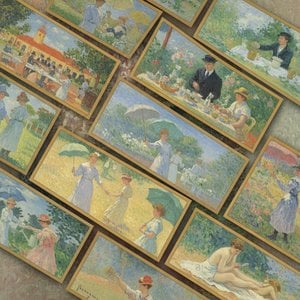
Descoperă cele mai frumoase 25 de picturi Renoir! Explorează capodoperele impresionismului, culorile vibrante și poveștile din spatele fiecărei opere. Reproduceri artă de lux pe WahooArt.com – adaugă eleganță locuinței tale!

Descoperă cele mai emblematice 25 de picturi Paul Klee! Explorează istoria, stilul expresionist și paleta unică a acestui maestru al artei abstracte. Reproduceri de calitate muzeală pentru decorul perfect. Descoperă toate capodoperele pe WahooArt.com

Descoperă cele mai frumoase 25 de capodopere Paul Cézanne! Explorează istoria, tehnicile și semnificația picturilor impresioniste iconice. Reproduceri artă de calitate muzeală & inspirație decor interioară pe WahooArt.com.

Explore 10 defining masterpieces of Romantic Realism! Discover Courbet, Millet & Daumier's powerful paintings—capturing emotion and social realities. Find museum-quality reproductions for your home at WahooArt.com.

 Previzualizare
 Trimite
 Distribuie
 Detalii despre lucrare

 Descarcă
 Produse similare
 Radiografie
 Diapozitive automate
 Vezi mai mult







 Opțiunea cu sticlă este disponibilă doar pentru dimensiuni de sub 110 cm


