Comută pe versiunea Print Comandă pictură realizată manual Trimite
Detalii Guide Adaugă la favorite Descarcă Produse similare Diaporama Statistici

Charles Lenormant

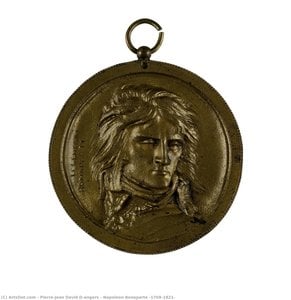
Admire Charles Lenormant's bronze medallion portrait by Pierre-Jean David d’Angers! This neoclassical masterpiece captures the French archaeologist, showcasing intricate detail and historical significance.

Pierre-Jean David d’Angers (1788-1856): Sculptor francez celebru pentru portrete neoclasice și opere monumentale precum friza Pantheonului și statui eroice. Descoperă moștenirea lui!

Achiziționați o imagine digitală de înaltă rezoluție, îmbunătățită, mult superioară previzualizării online.

Fiecare fișier este pregătit cu meticulozitate de specialiștii noștri interni, utilizând instrumente avansate și retușare manuală expertă. Ne asigurăm că fiecare imagine beneficiază de o claritate excepțională, o acuratețe precisă a culorilor și detalii fine.

Fișierul final este livrat prin e-mail în termen de 72 de ore, optimizat pentru utilizare imediată în medii profesionale, editoriale și de imprimare. Aceasta este aceeași calitate în care au încredere studiouri de design, edituri și galerii de top.

Imagine Digitală

Descărcați un fișier la rezoluție înaltă pentru afișare personală, imprimare și proiecte creative. ( Comută pe versiunea Print Comandă pictură realizată manual)

Preț total

$ 24,90

Inclus în fiecare comandă de imagini digitale

Livrare digitală de expertiză, garantată

Când alegeți WahooArt.com, nu primiți doar o simplă imagine – primiți o operă de artă digitală îmbunătățită profesional, creată cu precizie și susținută de o garanție de satisfacție. Iată tot ceea ce primești odată cu comanda ta, în mod automat:

shipping_icon
Livrare rapidă prin e-mail

Fișierul imaginii digitale la rezoluție înaltă vă va fi trimis prin e-mail în termen de 72 de ore de la finalizarea comenzii – gata pentru utilizare imediată.

canvas_icon
Fișier digital optimizat prin IA

Opera ta de artă este optimizată profesional prin intermediul unor instrumente AI avansate și al editării manuale, asigurând un nivel maxim de detalii, claritate și acuratețe a culorilor.

insurance_icon
Retransmitere gratuită pe viață

Ai șters sau ai pierdut din greșeală fișierul? Nu îți face griji – ți-l vom retrimite oricând, gratuit.

tax_icon
Fără taxe de import – Întotdeauna

Bucură-te instant de noua ta operă de artă, fără taxe vamale, taxe de import sau costuri de livrare – descărcările digitale sunt întotdeauna fără taxe.

color_icon
Garanția fidelității culorilor

Asigurăm o reflectare cât mai fidelă a culorilor originale în imaginea ta digitală, prin utilizarea unor instrumente profesionale și a proceselor de gestionare a culorii.

return_icon
Garanție de satisfacție de 100 de zile

Dacă nu sunteți mulțumit de imaginea digitală achiziționată, o vom revizui sau vă vom returna 100% în termen de 100 de zile – fără nicio întrebare.

guarantee_icon
Garanție de returnare 100% a banilor

Nu ești mulțumit? Primești rambursarea integrală în termen de 100 de zile de la primirea fișierului digital – fără nicio întrebare.

discount_icon
Reduceri pentru comenzi în volum

Cumpără 3 imagini, economisește 10% - Cumpără 5, economisește 15% - Cumpără 10+, economisește 20%. Ideal pentru proiecte creative, galerii și agenții.

Detalii rapide

  • Influences:
    • Le Brun
    • David
  • Title: Charles Lenormant
  • Location: Walters Art Museum
  • Year: 1830
  • Subject or theme: Historical figure
  • Medium: Bronze medallion
  • Movement: Neoclassical

Chestionar de artă

Fiecare întrebare are un singur răspuns corect.

Întrebare 1:
What is Charles Lenormant primarily known for?
Întrebare 2:
According to the description, in what year was Charles Lenormant appointed inspector of fine arts?
Întrebare 3:
The image description highlights which aspect of the bronze medallion's surface?
Întrebare 4:
Who is the artist depicted in the medallion?
Întrebare 5:
What artistic style is most closely associated with the depiction of Charles Lenormant?

A Portrait of Scholarly Pursuit: Charles Lenormant by Pierre-Jean David d'Angers

The bronze medallion depicting Charles Lenormant offers more than just a likeness; it’s a window into the burgeoning field of archaeology in 19th-century France. Crafted by the esteemed sculptor Pierre-Jean David d’Angers, this remarkable piece captures not merely a man's features but also his intellectual fervor and dedication to uncovering the secrets of the past. Lenormant, a pivotal figure in French archaeology, was an inspector of fine arts who dedicated himself to exploring Egypt and Greece, contributing significantly to our understanding of ancient civilizations. The medallion serves as a tangible reminder of his pioneering work, embodying the spirit of scientific inquiry that defined the era.

A Neoclassical Masterpiece: Style, Technique, and Material

David d’Angers's style is firmly rooted in the neoclassical tradition, evident in the meticulously rendered profile of Lenormant. The work showcases a remarkable attention to detail – from the subtle lines etched into his face to the texture of his hair, each element speaks to the sculptor’s mastery. The bronze itself—a material prized for its durability and ability to capture fine details—is skillfully manipulated to create a sense of depth and realism. Notice how the artist employs *chiaroscuro*, using light and shadow to sculpt volume and define form, lending a dramatic quality to the portrait. The casting process, likely utilizing the lost-wax method, would have involved creating a wax model, then investing it in plaster before melting down the wax to create the final bronze form. This technique ensures a remarkable level of precision and surface finish.

Symbolism and Historical Context: A Reflection of an Age

Beyond its aesthetic qualities, the medallion is rich with symbolic meaning. Lenormant’s pose—a thoughtful gaze directed towards the viewer—suggests a man deeply engaged in contemplation and intellectual pursuit. The inclusion of the scroll or document (though details are difficult to discern without higher resolution) hints at his scholarly work and dedication to historical research. The period itself, the early 19th century, was one of immense change and discovery, fueled by the Enlightenment’s emphasis on reason and scientific inquiry. Archaeology was gaining prominence as a legitimate field of study, driven by figures like Champollion and inspired by Napoleon's campaigns in Egypt. This medallion stands as a testament to that intellectual excitement and the growing interest in understanding our shared human past.

Emotional Resonance: A Portrait of Dedication

Looking at this portrait, one is struck not only by its technical brilliance but also by the sense of quiet determination it conveys. Lenormant’s face—lined with experience and imbued with a thoughtful expression—suggests a man who has dedicated his life to unraveling the mysteries of antiquity. The bronze itself, with its patina of age and wear, adds to this feeling of historical weight and enduring legacy. It's a portrait that invites us to reflect on the importance of intellectual curiosity, perseverance, and the pursuit of knowledge—qualities that continue to resonate today. The piece evokes a sense of reverence for scholarship and the individuals who have shaped our understanding of history.


Biografie artist

A Legacy Forged in Stone: The Life and Art of Pierre-Jean David d’Angers

Born in Angers, France, in 1789, Pierre-Jean David embarked on his artistic journey imbued in the republican fervor that would characterize much of his life and work. Initially apprenticed to a local wood carver – his father – young David swiftly demonstrated an aptitude for sculpting that propelled him toward greater ambitions. He arrived in Paris in 1808, a city pulsating with both classical tradition and revolutionary spirit, seeking tutelage under Philippe-Laurent Roland at the École des Beaux-Arts. This formative period instilled within him neoclassical principles while simultaneously exposing him to the burgeoning Romantic movement. A pivotal moment transpired in 1809 when he enrolled under Jacques-Louis David’s guidance, adopting “David d’Angers” as his artistic moniker – a deliberate distinction from his revered mentor, signifying an aspiration for independent creativity rooted in lineage and ambition. This decision underscored a desire to forge his own path while acknowledging the profound influence of the era's foremost painter. Early years in Paris were marked by financial struggles; nevertheless, David persevered, garnering acclaim with works like “Othryades” in 1810 and ultimately securing the prestigious Prix de Rome in 1811 for his sculpture "Epaminondas."

From Roman Reverie to Neoclassical Mastery

David’s five-year sojourn in Rome (1811–1816) proved transformative. Immersed in the world of classical antiquity and mentored by masters such as Antonio Canova, his artistic vision matured considerably. He absorbed the core tenets of Greek sculpture – its unwavering focus on idealized form, heroic narrative, and restrained emotional expression – yet skillfully infused these principles with a distinctly personal aesthetic. This period transcended mere academic study; it encompassed an awakening to political realities. The restoration of the Bourbon monarchy in France cast a shadow over his return, prompting a brief relocation to England where he encountered both admiration and scrutiny due to his association with Jacques-Louis David, who had been linked to the revolutionary regime. Back in Paris, however, David’s talent swiftly gained recognition. He became renowned for his portrait medallions – remarkably detailed representations capturing not just physical likeness but also psychological nuance—as well as monumental sculptures celebrating civic virtue and national heroes. His pioneering work on the Arc de Triomphe and the Louvre demonstrated an early mastery of large-scale projects, establishing him as a sculptor capable of tackling ambitious commissions.

The Influence of David and Roland

Philippe-Laurent Roland’s instruction at the École des Beaux-Arts profoundly shaped David's artistic sensibilities, grounding him in neoclassical ideals while simultaneously introducing him to the Romantic movement’s burgeoning dynamism. Roland championed restraint and clarity of form—values that would permeate David’s oeuvre throughout his career. Jacques-Louis David’s mentorship represented a crucial step toward forging David’s own distinctive style; David consciously distanced himself from his master's revolutionary fervor, prioritizing intellectual rigor alongside artistic expression. This deliberate separation fostered an independent vision rooted in classical tradition yet imbued with a sensitivity to the emotional complexities of human experience—a hallmark of David’s oeuvre.

Notable Achievements and Artistic Style

David’s sculptural output encompassed a breathtaking array of projects – from monumental sculptures honoring national heroes to intimate portrait medallions capturing the essence of his subjects. His magnum opus, the pediment sculpture for the Panthéon in Paris—featuring prominent figures representing French intellectual heritage—stands as testament to his unparalleled skill in conveying grandeur and solemnity through sculpted form. Other significant commissions included the Gutenberg monument at Strasbourg and the equestrian statue of General Gobert in Père Lachaise Cemetery, showcasing David’s mastery of dynamic composition and expressive realism. His portrait medallions – meticulously crafted with exceptional attention to detail—became celebrated for their psychological insight and artistic beauty. Among his most iconic works are “Wounded Philopoemen,” housed in the Louvre, a poignant depiction reflecting the tragic fate of the Greek general; and "La Douleur," demonstrating David’s ability to convey profound emotion through sculptural form.

A Lasting Legacy: Recognition and Historical Significance

Pierre-Jean David d’Angers achieved considerable acclaim during his lifetime—receiving numerous awards and honors, including the Prix de Rome—and cemented his place as one of France's most influential sculptors. His art reflects the intellectual and political landscape of 19th-century France, embodying republican ideals alongside neoclassical elegance. He championed figures who exemplified courage, integrity, and devotion to public service—values that resonated deeply with audiences throughout his era. David’s enduring legacy resides not only in his magnificent sculptures but also in his contribution to shaping the visual culture of France, inspiring generations of artists and securing his place as a cornerstone of artistic history. His work continues to captivate viewers today, demonstrating the timeless power of classical form combined with Romantic emotion—a testament to David d’Angers' unparalleled artistry and enduring influence.
Pierre-Jean David d’Angers

Pierre-Jean David d’Angers

1788 - 1856 , Franța

Informații esențiale

  • Artistic Movement Or Style: Neoclasicism
  • Artists Who Influenced This Artist:
    • Jacques-Louis David
    • Philippe-Laurent Roland
  • Date Of Birth: 1789
  • Full Name: Pierre-Jean David d’Angers
  • Nationality: Franțuzesc
  • Notable Artworks:
    • Wounded Philopoemen
    • La Douleur
  • Place Of Birth: Angers, Franța