A Life Bathed in Light: The World of Pierre Bonnard
Pierre Bonnard, născut în 1867 în suburbia pariziană Fontenay-aux-Roses, nu era destinat unei vieți impregnate de expresie artistică. Tatăl său, un funcționar superior în Ministerul Militar al Franței, visa o carieră juridică pentru fiul său. Tânărul Pierre a studiat drept cu sârguință, obținând licența în 1888, dar inima lui a găsit refugiul într-o lume captivantă: cea a culorii și a formei. Această dualitate, această tensiune între așteptări și pasiuni, va influența subtil călătoria sa artistică, dându-i o intimitate unică lucrărilor sale. Inițial, s-a lăsat atras de caricatură, perfecționând o abilitate de observație care a înflorit mai târziu într-o reprezentare exquisită a sceneelor domestice. Cu toate acestea, a fost la Académie Julian unde Bonnard a găsit adevăratul său drum, întâlnind spirite kindred care împărtășeau respingerea sa emergentă față de convențiile academice și îmbrățișau spiritul avant-gardist care strătuia Parisul. Această întâlnire l-a condus la Nabis, un grup de artiști—inclusiv Maurice Denis, Paul Sérusier și Édouard Vuillard—care căutau să infuzeze arta cu spiritualitate și simbolism, depășind simpla reprezentare în direcția unei explorări a experienței interioare.
The Nabi Years and the Cultivation of Intimacy
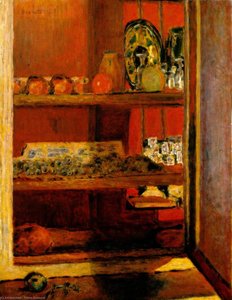
Asocierea lui Bonnard cu Nabis a fost crucială. Accentul grupului pe forme aplatizate, palete de culori îndrăznețe și respingerea perspectivei tradiționale au rezonat profund cu sensibilitățile sale artistice. Inspirat de gravurile japoneze—linia lor elegantă și compozițiile armonioase—și de explorarea simbolistă a emoției subiective, Bonnard a început să-și dezvolte stilul său distinctiv. El nu era interesat de narațiuni grandiose sau alegorii istorice; în schimb, s-a întors spre interior, concentrându-se pe momentele liniștite ale vieții cotidiene: o femeie care se băilează, o familie adunată la masă, un grădină însorită. Acestea nu erau doar reprezentări ale scenelor, ci distilări de sentiment—evocări de memorie și atmosferă. Această concentrare pe intimitatea domestică i-a câștigat titlul de “Intimist”, un termen care surprinde perfect rezonanța emoțională a lucrărilor sale. Picturile lui Bonnard nu sunt despre *ce* este reprezentat, ci despre *cum* se simte să fii prezent în acele momente. El lucra din memorie, schițând minuțios și apoi traducând aceste impresii pe pânză cu o sensibilitate remarcabilă la lumină și culoare. El nu era interesat de reprezentarea directă a realității, ci mai mult de captarea experienței subiective a luminii și culorilor.
Color as Emotion: A Master Colorist
Maestrul Bonnard în domeniul culorii este probabil cea mai definitorie caracteristică a lui. El nu folosea doar culoare; *simțea* culoarea, permițându-i să dicteze atmosfera și atmosfera picturilor sale. Paleta sa era vibrantă, dar nuanțată, folosind adesea combinații neașteptate care creau un sentiment de luminozitate strălucitoare. El se întorcea frecvent la tablourile finalizate, ajustând subtil culorile pe mai multe lucrări pentru a obține armonie perfectă—un testament al dedicării sale obsesive pentru echilibrul cromatic. Aceasta nu era despre reprezentarea realistă; era despre capturarea experienței subiective a culorii, capacitatea sa de a evoca emoție și memorie. Bonnard a fost influențat de picturile lui Gauguin, dar a căutat să depășească o simplă traducere a luminii și a formelor din natură. El a fost fascinat de modul în care lumina se schimbă pe parcursul zilei și de efectele sale asupra culorilor. El nu încerca să reproducă perfect ceea ce vedea, ci mai degrabă să transmită senzația generală a unei scene—atmosfera, emoțiile—care o compuneau.
Later Life and Lasting Legacy
Pe măsură ce Bonnard înaintase în vârstă, concentrarea sa artistică s-a mutat și mai mult spre explorarea culorii și a luminii. A petrecut tot mai multe timp în sudul Franței, fascinat de luminozitatea intensă a coastei mediteraneene și de ritualurile sale zilnice. Relația lui cu Marthe de Meligny, soția sa și muzea sa constantă, a rămas centrală în viața și opera sa. Ea apărea frecvent în picturile sale, adesea reprezentată băiată sau implicată în activități cotidiene, emanând o grație și intimitate tăcută. În 1912, a cumpărat “La Roulotte” în Vernonnet, un cartier din Vernon situat la doar cinci kilometri de Giverny, stabilindu-și o prietenie apropiată cu Claude Monet. Această proximitate față de maestrul impresionist a alimentat și mai mult explorarea lui Bonnard a luminii și culorii, deși a păstrat întotdeauna viziunea sa artistică distinctivă. A continuat să picteze până la moartea sa în 1947, lăsând în urmă un corp de lucrări care captivează și inspiră încă astăzi. Influența lui Bonnard asupra generațiilor ulterioare de artiști este incontestabilă. Accentul său pe experiență subiectivă, măiestria sa în utilizarea culorii și celebrarea vieții cotidiene au lăsat o amprentă indelebilă asupra artei moderne. El a demonstrat că frumusețea poate fi găsită nu în gesturi grandiose sau narațiuni eroice, ci în momentele liniștite ale vieții—îmbibate de lumină și pline de emoție.
Notable Works & Collections
- Woman in Checkered Dress (1890): Un exemplu timpuriu al stilului său Nabis influențat, prezentând forme aplatizate și combinații de culori îndrăznețe.
- The Dining Room (1913): O scenă intimistă esențială, capturând căldura și intimitatea vieții domestice.
- Bowl of Fruit (c. 1933): Demonstrează măiestria sa în pictura de încărcătură, cu culori vibrante și un sentiment de profunzime luminoasă.
- The Almond Tree in Blossom (1947): Una dintre ultimele sale picturi, finalizată cu doar câteva zile înainte de moartea sa, prezentând explorarea sa continuă a culorii și a luminii.
Lucrările lui Bonnard pot fi găsite în colecții importante din întreaga lume, inclusiv:
- Musée Marmottan Monet, Paris, Franța
- Art Institute of Chicago
- Museum of Modern Art, New York City
- Tate Modern, Londra



 Previzualizare
 Comandă pictură lucrată manual
 Trimite
 Distribuie
 Detalii despre lucrare

 Descarcă
 Produse similare
 Radiografie
 Diapozitive automate
 Statistici


 Vezi mai mult






































 Opțiunea cu sticlă este disponibilă doar pentru dimensiuni de sub 110 cm