Biografie artist
Tinerețe și Fundamente Artistice
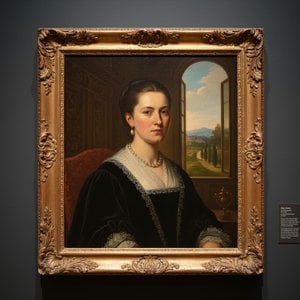
Pelagio Palagi, născut în Bologna în 1775, a pornit într-o călătorie artistică hrănită încă de la o vârstă fragedă. Anii săi formativi au fost profund influențați de Conte Carlo Filippo Aldrovandi, un patron perspicace care a recunoscut și a cultivat talentul în devenire al băiatului. Casa lui Aldrovandi nu era doar o reședință, ci un veritabil academism, plină de o colecție vastă de imprimeuri și oferind clase riguroase de desen din viață la prestigioasa Accademia Clementina. Acest mediu i-a insuflat lui Palagi o apreciere profundă pentru formele și tehnicile clasice, oferindu-i o fundație solidă în perspectivă, arhitectură, pictură figurativă, portreturi și arta de a colecționa. A fost o perioadă de studiu intens și observație, punând bazele versatilității sale viitoare ca artist. În mod interesant, aceste explorări artistice incipiente au coincis cu sosirea tumultoasă a trupelor napoleoniene în Bologna, ducând la comisioane neașteptate – proiecte de design pentru uniforme, medalii și embleme împodobite cu idealurile revoluționare ale „Liberté, Égalité, Fraternité”. Aceste proiecte inițiale au demonstrat adaptabilitatea lui Palagi și disponibilitatea sa de a se implica în curenții politici ai vremii sale.
De la Splendoarea Romană la Societatea Milaneseză
Dezvoltarea artistică a lui Palagi a luat o turnură semnificativă în 1806, când a pornit într-o călătorie spre Roma, căutând o perfecționare ulterioară la Accademia di San Luca. Se crede că ar fi studiat sub tutela lui Vincenzo Camuccini, al cărui accent pe acuratețea istorică și detaliul meticulos urma să lase o amprentă indelebilă asupra stilului lui Palagi. Această perioadă romană s-a dovedit a fi crucială, generând lucrări notabile precum „Portretul lui Giuseppe Guizzardi în costum antic” (1807) și alegoria "Căsătoria dintre Amor și Psyche" (1808). A întreprins, de asemenea, picturi istorice ambițioase precum „Mario a Minturno”, demonstrându-și stăpânirea crescândă a compoziției narative. Dincolo de pictura pe pânză, talentele lui Palagi au fost căutate pentru proiecte decorative ample, inclusiv fresce la Palazzo del Quirinale și Palazzo Torlonia, demonstrându-i capacitatea de a îmbina viziunea artistică cu spațiul arhitectural fără efort. În 1815, Palagi s-a mutat în Milano, stabilind o școală privată care a contestat direct autoritatea stabilită a Accademia di Brera. Această mișcare îndrăzneață a subliniat încrederea sa în abordarea pedagogică și angajamentul său față de exprimarea artistică independentă. În timpul acestui capitol milanez, s-a concentrat în principal pe portreturi, capturând asemănările unor figuri proeminente precum Giuseppe Bossi și Andrea Appiani, consolidându-și reputația de artist căutat în cercurile sociale elitae.
Patronajul Regal și Maturitatea Artistică
O nouă epocă a început în 1832 când Palagi a obținut patronajul Regelui Carlo Alberto al Sardiniei. Acest sprijin regal a deschis uși către comisioane semnificative pentru diverse reședințe regale, transformând traiectoria carierei sale. A fost implicat profund în proiecte de extindere ambițioase la Castelul Racconigi și inițiative de modernizare la Palazzo Reale din Torino, demonstrându-și nu numai abilitățile de pictor, ci și aptitudinea pentru design arhitectural și decor interior. Contribuțiile sale au fost recunoscute formal cu numiri ca șef al proiectelor de restaurare picturale și decorative și la Catedra de Ornat (decorare) a Accademia Albertina, cimentându-și poziția de figură importantă în lumea artistică italiană. Poate cea mai magnifică mărturie a priceperii sale artistice în această perioadă este „Dansul Orelor”, o pictură uimitoare pe tavan comandată pentru sala de bal din Palazzo Reale din Torino. Această lucrare exemplifică capacitatea lui Palagi de a sintetiza principiile clasice cu o sensibilitate romantică emergentă, creând o compoziție dinamică și emoționantă care continuă să captiveze privitorii astăzi.
O Sinteză de Stiluri și Moștenire Durabilă
Stilul artistic al lui Pelagio Palagi reprezintă o sinteză fascinantă a rigoarei neoclasice și a tendințelor romantice emergente. Antrenamentul său inițial i-a insuflat un respect profund pentru claritate, ordine și aderență la formele clasice – calități evidente în portretele sale meticulos realizate și picturile istorice. Cu toate acestea, influențat de artiști precum Francesco Hayez, a început treptat să incorporeze elemente de compoziție dramatică și expresie emoțională în opera sa, rezultând lucrări precum „Gian Galeazzo Sforza” și „Ratto delle Sabine”. Această disponibilitate de a îmbrățișa curenții artistici noi, rămânând în același timp ancorat în principiile clasice, definește caracterul unic al operei sale. Dincolo de realizările sale ca pictor și sculptor, Palagi a fost un colecționar pasionat, acumulând o asamblare impresionantă de sculpturi grecești, egiptene, etrusce și romane, obiecte și monede. La moartea sa în 1860, a lăsat cu generozitate această colecție remarcabilă, împreună cu biblioteca, arhiva și desenele sale, Comunei di Bologna. Astăzi, aceste comori sunt găzduite la Museo Civico Archeologico, Museo Civico Medievale și Biblioteca Comunale dell'Archiginnasio, asigurând că moștenirea lui Palagi ca artist versatil, colecționar perspicace și figură influentă în arta italiană din secolul al XIX-lea persistă pentru generațiile viitoare. Contribuțiile sale au depășit pânza și cizelul; a fost un adevărat polimat care a lăsat o amprentă indelebilă asupra peisajului cultural al vremii sale.



 Vezi în context
 Comută pe versiunea Print
 Trimite
 Distribuie
 Detalii
 Ghid
Ghid

 Descarcă
 Produse similare
 Radiografie
 Diaporama
 Statistici


 Citește mai mult






































 Opțiunea cu sticlă este disponibilă doar pentru dimensiuni de sub 110 cm