The Payá Brothers: Architects of a Cuban Toy Revolution
Born in the heart of Ibiza, Spain, in 1905, the Payá brothers – Emilio, Pascual, and Vicente – weren’t merely toy makers; they were pioneers. Their story is one of familial legacy, innovative design, and ultimately, a profound impact on the cultural landscape of Spain and beyond. Initially established as metalworkers crafting domestic goods, the family's keen eye for detail and burgeoning interest in children’s entertainment led them to transform their workshop into the Payá Hermanos factory – a name that would become synonymous with quality and imagination.
The early years were marked by a dedication to traditional craftsmanship. They began producing miniature versions of household items, charming trinkets destined for young hands. However, it was their foray into creating toys that truly ignited the company’s trajectory. Recognizing a burgeoning market and fueled by a desire to bring joy to children, they embraced new technologies – notably, the introduction of plastic injection molding in 1932, a groundbreaking move for Spain at the time. This bold step allowed them to produce more complex and durable toys than ever before, setting them apart from their competitors.
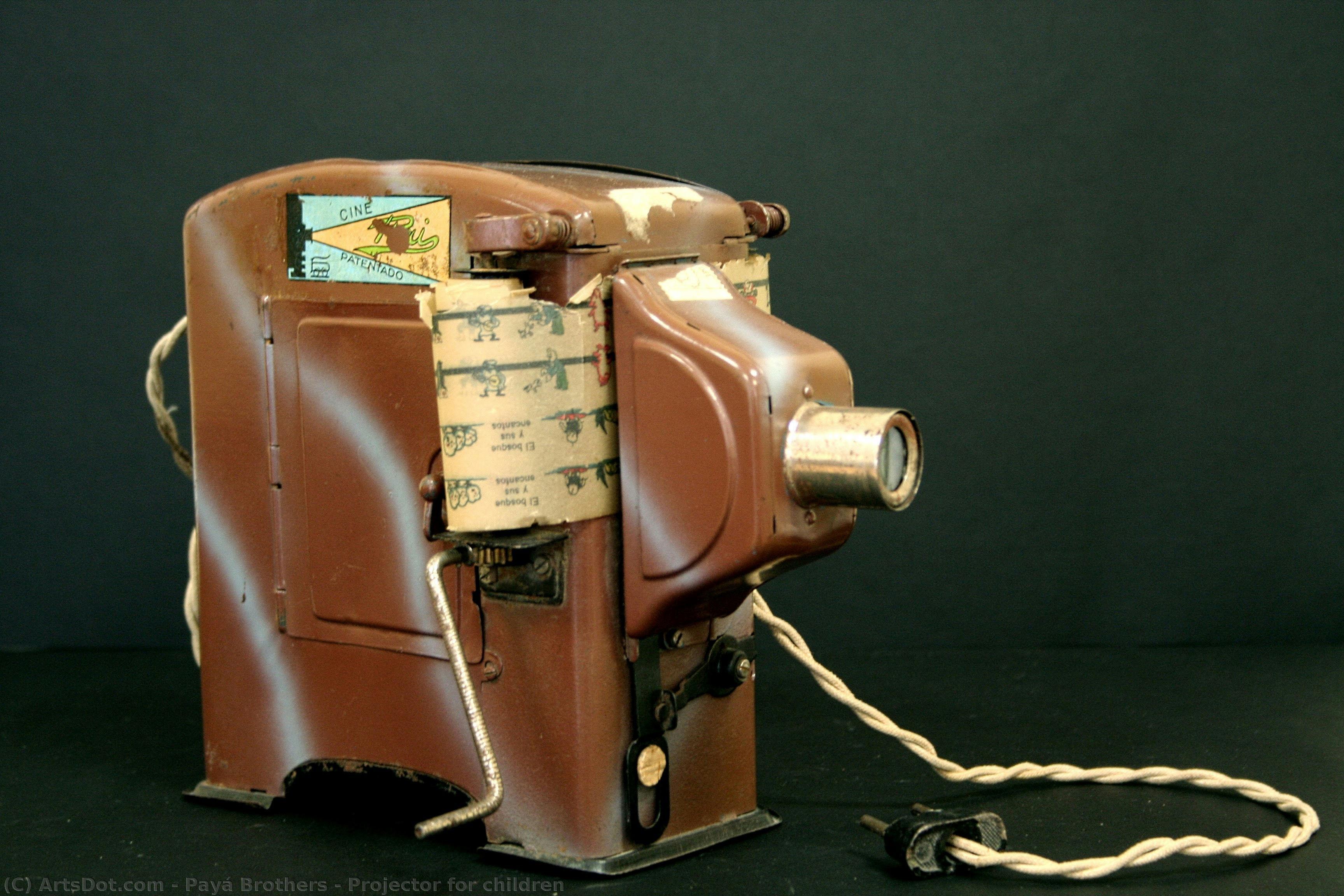
The Payá brothers’ output was remarkably diverse, encompassing everything from intricate trains and meticulously detailed cars to whimsical airplanes and charming figurines. Their designs weren't simply functional; they possessed a distinct aesthetic – a blend of classic European style with a touch of Spanish flair. They were masters of their craft, employing skilled artisans who poured their passion into each piece. The factory’s success wasn’t just about production volume; it was about the meticulous attention to detail and the enduring quality that became the Payá brand's hallmark.
A Golden Age in Ibiza
The mid-20th century witnessed a remarkable expansion for the Payá Hermanos factory. Situated in Ibi, a small town within the province of Alicante, Spain, it quickly became the dominant toy manufacturer in the country, employing hundreds of workers and shaping the childhoods of generations. The factory’s growth mirrored the broader economic prosperity of post-war Spain, and its success was inextricably linked to the region's burgeoning industrial sector.
The Payá brand achieved international recognition, particularly for its iconic “Santa Fe” locomotive – a miniature marvel that captured the imagination of children worldwide. Their toys weren’t just manufactured; they were imbued with a sense of nostalgia and adventure, reflecting the spirit of a nation embracing modernity while retaining its rich cultural heritage. The factory's output was so significant that Ibi became known as the “Toy Capital” of Spain – a testament to the Payá brothers’ vision and entrepreneurial spirit.
Challenges and Legacy
Despite their remarkable success, the late 1970s and early 1980s brought significant financial difficulties for the Payá Hermanos factory. The changing economic landscape of Spain, coupled with internal challenges, ultimately led to its acquisition by the Famósia group in 1992. While the Payá brand itself continued to operate as a sub-brand under Famósia, the original factory ceased production.
However, the legacy of the Payá brothers endures. Their innovative designs and commitment to quality continue to be celebrated today, and their story serves as an inspiring example of family entrepreneurship and industrial ingenuity. The restoration of the old factory building in recent years has transformed it into a museum – a poignant reminder of a bygone era and a celebration of the toys that brought joy to countless children.
The Payá Brothers Museum: A Window into a Lost World
Today, visitors can explore the meticulously preserved workshops and production areas of the former Payá factory. The museum offers a fascinating glimpse into the history of Spanish toy manufacturing, showcasing original tools, machinery, and prototypes alongside a remarkable collection of vintage toys. The exhibits vividly illustrate the brothers’ innovative spirit and their dedication to craftsmanship.
Two distinct museums occupy the space: the Valencia Region Toy Museum, which houses a comprehensive display of historical toys from across Spain and beyond, and the Ibi Museum of Biodiversity, dedicated to the natural history of the region. Both museums offer unique insights into the local heritage and the broader context of the Payá factory’s rise to prominence. The museum stands as a testament to the enduring appeal of these iconic Spanish toys and the remarkable story of the family that brought them to life.
Oswaldo Payá: A Voice for Freedom
It's important to acknowledge the intertwined fate of the Payá brothers with Oswaldo Payá, one of their sons. Oswaldo Payá Sardiñas (1952-2012) was a prominent Cuban opposition leader who dedicated his life to advocating for democracy and human rights in Cuba. He founded the Christian Liberation Movement (MCL), which played a crucial role in organizing petitions like the Varela Project – a campaign demanding greater freedoms for the Cuban people.
Oswaldo Payá’s activism tragically ended with his death in 2012, under circumstances that remain disputed. The Cuban government claimed it was an accident, while his family and supporters maintain he was deliberately killed. Rosa María Payá Acevedo, Oswaldo's daughter, has continued her father's work as a human rights activist, carrying on his legacy of resistance and advocating for justice. Her tireless efforts have ensured that the story of her father – and the broader struggle for freedom in Cuba – remains firmly in the public consciousness.


 Vezi în context
 Comută pe versiunea Print
 Trimite
 Distribuie
 Detalii
 Ghid
Ghid

 Descarcă
 Produse similare
 Radiografie
 Diaporama
 Statistici

 Citește mai mult


