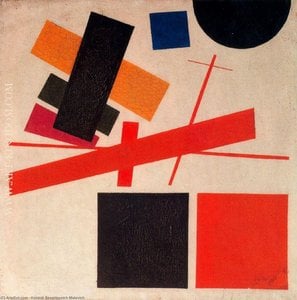
O Viață Scufundată în Culoare și Formă
Paul Klee, un nume sinonim cu abstracțiunea jucăușă și profunzimea emoțională, ocupă o poziție unică în peisajul artei secolului al XX-lea. Născut la 18 decembrie 1879, în Münchenbuchsee, Elveția, parcursul său artistic a fost unul de explorare constantă, sfidând categorizările facile și conturând o cale care împletea influențe din Expresionism, Cubism și Surrealism într-un limbaj vizual distinct personal. Copilăria lui Klee a cultivat o apreciere timpurie pentru arte; tatăl său, un profesor de muzică german, iar mama sa, o cântăreață elvețiană, i-au insuflat o sensibilitate atât auditivă, cât și vizuală. Această legătură fundamentală dintre muzică și pictură a devenit o caracteristică definitorie a operei sale, modelând nu numai abordarea sa compozițională, ci și înțelegerea teoretică a artei ca o formă de expresie abstractă similară aranjamentului muzical. Inițial atras de desen, Klee a abandonat curând căutarea reprezentării realiste, recunoscând limitele sale în transmiterea lumii interioare a emoțiilor și ideilor pe care dorea să le exprime. S-a înscris la Academia de Arte Frumoase din München între 1898 și 1901, o perioadă marcată de experimente și dezvoltarea vocii sale artistice unice.
Modelarea unei Viziuni Artistice
Primele lucrări ale lui Klee dezvăluie influența Art Nouveau și a Simbolismului, dar chiar și în aceste cadre, au început să apară indicii ale stilului său viitor. Un moment pivotal în dezvoltarea sa artistică a fost o călătorie în Tunisia în 1914. Lumina intensă și atmosfera vibrantă din Africa de Nord i-au impactat profund utilizarea culorii, inspirându-l să treacă de la tonuri estompate la palete mai îndrăznețe și expresive. Această experiență a marcat un punct de cotitură, consolidând angajamentul său față de abstracție ca mijloc de captare a esenței percepției, mai degrabă decât doar de replicare a suprafeței sale aparente. El nu *vedea* pur și simplu Tunisia; el transpunea rezonanța sa emoțională în formă vizuală. De-a lungul acestei perioade, Klee s-a implicat în diverse mișcări artistice, absorbind principiile lor, rezistând simultan aderenței complete la o singură ideologie. Interesul său pentru muzică a rămas primordial și vorbea adesea despre pictură ca un proces analog compunerii pieselor muzicale – o aranjare atentă a elementelor pentru a crea un întreg armonios. Această abordare sinestezică este evidentă în calitatea ritmică a liniilor sale, echilibrul delicat al culorilor și senzația generală de mișcare care pătrunde multe dintre lucrările sale.
Bauhaus și Dincolo: O Perioadă de Înflorire
Din 1931 până în 1933, Klee a acceptat o poziție didactică la influentul Bauhaus, școala de artă, design și arhitectură, alături de Wassily Kandinsky. Această perioadă s-a dovedit remarcabil de fructuoasă pentru dezvoltarea sa artistică. Înconjurat de gânditori inovatori și colegi artiști, a înflorit într-un mediu care încuraja experimentarea și investigația teoretică. Lucrările sale din acești ani au explorat mai profund teoria culorilor și relațiile formale, cercetând interacțiunea dintre formele abstracte și expresia emoțională. Cu toate acestea, acest refugiu creativ a fost spulberat odată cu ascensiunea nazismului în Germania. În 1933, Klee a fost concediat din Bauhaus deoarece arta sa a fost considerată „degenerată” de regimul nazist – o mărturie tulburătoare a pericolelor ideologiei politice care suprimă libertatea artistică. Forțat să se întoarcă în Elveția, a continuat să picteze, dar sănătatea sa s-a deteriorat sub umbra turbulențelor politice crescânde și a dificultăților personale. În ciuda acestor provocări, Klee a rămas dedicat viziunii sale artistice, producând lucrări care reflectau atât anxietățile epocii, cât și credința sa durabilă în puterea artei de a transcende adversitatea.
Teme, Stil și Moștenire Durabilă
Opera lui Paul Klee se caracterizează printr-o combinație captivantă de joc și contemplație profundă. Adesea folosea imagini copilărești și compoziții capricioase, impregnându-le cu straturi de semnificație simbolică. Teme recurente în arta sa includ grădini, peisaje, portrete și aranjamente abstracte – fiecare servind drept vehicul pentru explorarea complexității experienței umane. „Caietele lui Paul Klee”, publicate postum, oferă o perspectivă valoroasă asupra investigațiilor sale extinse teoretice despre culoare și design, dezvăluind o abordare meticuloasă și intelectuală a creației artistice. El nu picta pur și simplu; el construia un limbaj vizual bazat pe principiile armoniei, echilibrului și rezonanței emoționale.
Hamamet,
Siblings și
En la corriente seis umbrales sunt doar câteva exemple care demonstrează măiestria sa în culoare și formă. Paul Klee a murit pe 29 iunie 1940, în Muralto, Elveția, lăsând în urmă o moștenire care continuă să inspire artiști și să captiveze publicul din întreaga lume. Este considerat cu dreptate una dintre cele mai importante figuri ale artei secolului al XX-lea, făcând legătura între expresia figurativă și cea abstractă și consolidându-și locul ca un inovator iconic a cărui operă rămâne etern relevantă.
Muzee și Explorări Suplimentare
- Zentrum Paul Klee (Bern): Găzduiește cea mai mare colecție de lucrări ale lui Klee din lume, oferind o prezentare cuprinzătoare a parcursului său artistic.
- Museum of Fine Arts Bern: Prezintă piese semnificative de Klee alături de capodopere semnate de Picasso și Hodler.
- Kunstmuseum Bern: Cel mai vechi muzeu de artă din Elveția, prezentând o colecție diversă care include lucrări de Klee și alți maeștri moderni.
Influența sa se extinde dincolo de domeniul picturii, impactând domenii precum designul, arhitectura și muzica. Atracția durabilă a operei lui Paul Klee constă în capacitatea sa de a evoca un sentiment de uimire și de a invita spectatorii să interacționeze cu arta la nivel emoțional și intelectual – o mărturie a geniului său și contribuției sale durabile la cultura vizuală.



 Previzualizare
 Comandă pictură realizată manual
 Trimite prin felicitare
 Distribuie
 Detalii despre lucrare
 Ghid
Ghid

 Descarcă imaginea
 Produse similare
 Radiografie
 Galerie foto
 Statistici

 Vezi mai mult






































 Opțiunea cu sticlă este disponibilă doar pentru dimensiuni de sub 110 cm