Biografie artist
A Dream Weaver: The Life and Art of Paul Delvaux
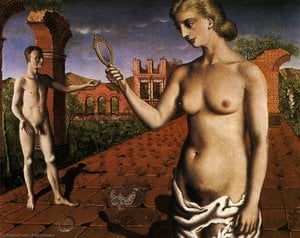
Paul Delvaux, un nume care evocă instantaneu imagini onirice, întunecate și pline de mister, a fost mai mult decât un simplu pictor. A fost un explorator al subconștientului uman, un maestru al atmosferei melancolice și un vizionar al unei lumi unde clasic și grotesc se îmbrățișează într-un dans fascinant. Născut în 1897 în micul sat Wanze, din Belgia, Delvaux a avut o copilârie marcată de contraste puternice: disciplina strictă a educației clasice, cu studiul grec și latin, se amesteca cu fascinarea pentru operele lui Jules Verne și poezia lui Homer. Această dualitate – ordinea și imaginația – a devenit fundamentul artistic al întregii sale cariere. Inițial îndrumat de părinți spre o carieră practică în arhitectură, Delvaux a descoperit rapid pasiunea pentru pictură, înscriindu-se la prestigioasa Academie Royale des Beaux-Arts din Bruxelles. Deși dificultățile matematice ale arhitecturii l-au împiedicat, pregătirea oferită i-a insuflat o măiestrie a perspectivei și a formei, abilități pe care le-a folosit ulterior pentru a crea scene realiste, dar întotdeauna filtrate prin lentila visului. Primele sale lucrări reflectă această bază academică, pictând în principal peisaje într-un stil postimpresionist, însă chiar și atunci, indicii ale atmosferei specifice care i-ar defini operele mature începuseră să apară.
The Genesis of a Surreal Vision
Punctul de cotitură în evoluția artistică a lui Delvaux a fost descoperirea operelor lui Giorgio de Chirico. Picturile metafizice ale acestui artist – scene austere, enigmatice, populare cu umbre și arhitectură clasică – au rezonat profund cu Delvaux, deschizându-i noi orizonturi creative. A început să populeze pânzele sale cu figuri feminine îmbrăcate, adesea juxtapuse unor structuri arhitecturale impunătoare sau situate în peisaje vaste și pustii. Acestea nu erau simple reprezentări ale formei umane; erau explorări ale dorinței, al alienării și ale subconștientului. Influența expresionistă flamandă, prin artiști precum Constant Permeke și Gustave De Smet, se resimte și în această perioadă, aducând o intensitate sumbră paletei sale și tehnicilor de pictură. Cu toate acestea, Delvaux a depășit rapid aceste influențe, modelând un stil unic – o fuziune între precizia clasică și irationalitatea onirică. Pânzele sale au început să evoce un sentiment de neliniște, o senzație că ceva ascuns se afla sub suprafața realității. Motive recurente au apărut: trenuri, figuri scheletice și femei cu fețe acoperite, contribuind la atmosfera tulburătoare care caracterizează opera sa.
Recurring Symbols and the Language of Dreams
Limbajul artistic al lui Delvaux este bogat în simbolism, deși a evitat constant interpretările directe psihoanalitice. Figura feminină îmbrăcată, adesea prezentă în numeroasele sale picturi, apare adesea pasivă sau melancolică, incarnând atât dorința, cât și vulnerabilitatea. Trenurile și stațiile feroviare apar frecvent ca simboluri ale tranziției, ale deplasării și ale anxietăților modernei. Scheletele, departe de a fi embleme macabre ale morții, reprezintă o prezență fantomatică, un memento al mortalității care străpunge chiar și scenele idilice. Arhitectura clasică oferă un fundal de ordine și permanență, dar este adesea reprezentată într-un mod straniu distorsionat sau incomplet, sugerând fragilitatea sub suprafață. Acești elemente nu sunt doar decorativi; sunt integrali la impactul emoțional și psihologic al operei sale. De exemplu, Night Train (Trenul nopții) cuprinde multe dintre aceste teme – figurile anonime, arhitectura impunătoare și senzația de inevitabil pericol. Artistul însuși a explicat că imaginile sale au fost inspirate de amintiri personale profunde și impresii, mai degrabă decât de eforturi conștiente de a decripta subconștientul.
Key Works and Lasting Influence
Pe parcursul unei cariere lungi, Paul Delvaux a rămas o figură singulară în lumea artei. Deși asociat pe scurt cu mișcarea surrealistă, a menținut un grad de independență, refuzând să se supună strict regulilor acesteia. Operele sale continuă să captiveze publicul cu frumusețea lor tulburătoare și atmosfera enigmatică. Lucrări importante precum The Summer (Vara), Grise City (Orașul gri) și mai multe versiuni ale Sleeping Venus (Afurisita Afrodită) sunt deținute în muzee importante din întreaga lume, inclusiv Tate Gallery din Londra și Muzeul Național de Artă din Tokyo. Influența lui Delvaux poate fi observată în opera multor artiști contemporani care explorează teme precum amintirea, dorința și subconștientul. El a demonstrat că suprarealismul putea exista dincolo de limitele scrierii automate și ale analizei viselor, îmbrățișând mai degrabă o tehnică meticuloasă și o viziune personală profundă. Moștenirea sa durează nu doar prin picturile sale, ci și prin puterea durabilă a limbajului său artistic unic – un limbaj care continuă să vorbească despre temerile și dorințele noastre cele mai profunde. Muzeul Paul Delvaux din Saint-Idesbald, Belgia, este o mărturie a impactului său de durată, găzduind cea mai mare colecție de opere ale sale și oferind vizitatorilor o privire asupra lumii fascinante a imaginației sale.



 Previzualizare
 Comută pe Print
 Trimite
 Distribuie
 Detalii despre lucrare

 Descarcă
 Produse similare
 Radiografie
 Diapozitive automate
 Statistici


 Vezi mai mult