


 Ulei pe pânzăArtă muralăPost-Impressionism
 1877Secolul al XIX-lea
 15.0 x 22.0 cm
Pictură în ulei pe pânză, realizată manual de artiștii noștri la dimensiunea și ramele dorite de dumneavoastră, pe comandă. ( Comandă printul Cumpără imaginea)





























Alegeți dintre dimensiunile noastre prestabilite, care respectă proporțiile originale ale operei de artă.

Puteți introduce propriile dimensiuni pentru a se potrivi unui anumit cadru sau spațiu. Dacă dimensiunea selectată nu corespunde proporțiilor imaginii originale, vom decupa opera de artă sau vom extinde pictura cu elemente suplimentare pictate manual. O simulare digitală vă va fi trimisă pentru aprobare înainte de începerea producției.
Vă rugăm să rețineți că previzualizarea de pe ecran nu reflectă decuparea sau extinderea reală. Doar macheta va arăta cu exactitate compoziția finală.
Deși sunt disponibile dimensiuni personalizate, vă recomandăm să selectați o dimensiune din lista predefinită pentru a păstra proporțiile originale.
Livrare în întreaga lume () în 3-4 săptămâni, în loc de cele 5 săptămâni standard. (6 Septembrie). Fără compromisuri în ceea ce privește calitatea.


The Obstpfluckerin
Dimensiune reproducere
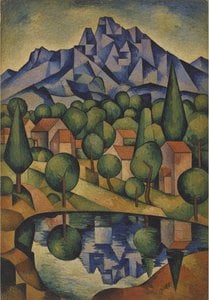
“The Obstpfluckerin,” painted by Paul Cézanne in 1877, isn’t merely a depiction of a rural scene; it's a profound exploration of perception and the very essence of being. This oil on canvas, measuring just 15 x 22 cm, encapsulates the pivotal moment when Impressionism began to fracture, giving rise to Post-Impressionism – a movement Cézanne fundamentally shaped. More than a snapshot of fruit pickers at work, it’s a carefully constructed meditation on form, color, and the relationship between the artist and his subject.
Cézanne's genius lay in his ability to strip away the superficial appearance of reality and reveal its underlying structure. He wasn’t interested in capturing a fleeting impression of light; instead, he sought to represent the *idea* of the scene – the solidity of the trees, the weight of the figures, the very geometry of the landscape. Notice how he uses sharp, deliberate brushstrokes, not blending colors smoothly as Impressionists did, but rather applying them in distinct planes, creating a sense of depth and volume that feels remarkably tangible. The composition itself is deliberately unbalanced, drawing our eye to the dynamic interplay between the foreground figures and the receding background – a technique anticipating the fractured perspectives of Cubism.
The painting transports us to the sun-drenched hills of Provence, a region deeply ingrained in Cézanne’s life and artistic inspiration. The scene unfolds with quiet dignity: two figures, presumably laborers, engaged in the laborious task of gathering fruit. Their faces are deliberately obscured, emphasizing their role as anonymous participants within a larger, timeless landscape. This deliberate anonymity elevates the painting beyond a simple genre portrayal; it becomes a universal representation of human activity and the rhythms of rural life. The setting itself – the grassy slopes, the gnarled trees, the distant horse – evokes a sense of familiarity and connection to the natural world, a theme that would become increasingly central to Cézanne’s work.
Cézanne's masterful use of color is crucial to the painting’s impact. He employs a restrained palette – predominantly greens, blues, and whites – but imbues each hue with remarkable intensity. The dappled sunlight filtering through the foliage creates a vibrant interplay of light and shadow, adding depth and dynamism to the scene. The colors aren't used to mimic reality; they are chosen for their expressive qualities, contributing to the painting’s overall emotional resonance. There is a sense of warmth and serenity, tempered by the hard work depicted – a quiet contemplation on labor and life.
“The Obstpfluckerin” stands as a pivotal work in art history, marking a decisive shift away from Impressionism’s emphasis on fleeting impressions. Cézanne's innovations profoundly influenced generations of artists, including Vincent van Gogh and Pablo Picasso. His exploration of form, color, and perspective paved the way for modern art movements like Cubism and Fauvism. Reproductions of this painting offer a unique opportunity to experience firsthand the groundbreaking vision of one of the 20th century’s most influential painters – a testament to Cézanne's ability to transform everyday life into enduring works of art.


1839 - 1906 , Franța
Explore the profound legacy of Paul Cézanne. Discover how his mastery of geometric forms and vibrant color bridged Impressionism and Cubism, offering timeless inspiration for fine art collectors and enthusiasts seeking to understand the foundations of modern art.

Explore the structural genius of Paul Cézanne. Discover how his mastery of geometric form and color bridged Impressionism and Cubism in this definitive guide for art enthusiasts and collectors.

 Previzualizare
 Trimite
 Distribuie
 Detalii despre lucrare

 Descarcă
 Produse similare
 Radiografie
 Diapozitive automate
 Vezi mai mult







 Opțiunea cu sticlă este disponibilă doar pentru dimensiuni de sub 110 cm


