Obțineți un fișier gata de imprimare care depășește cu mult calitatea previzualizării web. Fiecare imagine digitală pe care o vindem provine dintr-un master de înaltă rezoluție din baza noastră de date — având, de regulă, o lățime între 5.000 și 15.000 de pixeli — astfel încât să puteți printa în format mare, să decupați strâns sau să reproduceți detalii fine cu încredere.
Niciun fișier nu părăsește studioul nostru fără să fie tratat. Un expert digital verifică nuanțele de culoare în raport cu pictura originală și le corectează acolo unde este necesar, apoi îmbunătățește claritatea și detaliile folosind instrumente profesionale de retușare — rămânând întotdeauna fidel gestului pictural și stilului artistului. Rezultatul este o imagine care seamănă cu tabloul propriu-zis, nu cu o scanare filtrată.
Aprobați înainte de finalizare: expertul nostru vă va trimite imaginea prin e-mail în termen de 72 de ore pentru revizuire. Nu sunteți mulțumit? Solicitați îmbunătățiri sau corecturi, ori cereți o restituire a plății dacă calitatea nu este pe măsura așteptărilor.
Aceasta este calitatea pe care se bazează editorii, studiourile de design, galeriile și tipăriturile.
Descărcați un fișier la rezoluție înaltă pentru afișare personală, imprimare și proiecte creative. ( Comută pe versiunea Print Comandă pictură realizată manual)
Când alegeți WahooArt.com, nu primiți doar o simplă imagine – primiți o operă de artă digitală îmbunătățită profesional, creată cu precizie și susținută de o garanție de satisfacție. Iată tot ceea ce primești odată cu comanda ta, în mod automat:
Fișierul imaginii digitale la rezoluție înaltă vă va fi trimis prin e-mail în termen de 72 de ore de la finalizarea comenzii – gata pentru utilizare imediată.
Opera ta de artă este optimizată profesional prin intermediul unor instrumente AI avansate și al editării manuale, asigurând un nivel maxim de detalii, claritate și acuratețe a culorilor.
Ai șters sau ai pierdut din greșeală fișierul? Nu îți face griji – ți-l vom retrimite oricând, gratuit.
Bucură-te instant de noua ta operă de artă, fără taxe vamale, taxe de import sau costuri de livrare – descărcările digitale sunt întotdeauna fără taxe.
Asigurăm o reflectare cât mai fidelă a culorilor originale în imaginea ta digitală, prin utilizarea unor instrumente profesionale și a proceselor de gestionare a culorii.
Dacă nu sunteți mulțumit de imaginea digitală achiziționată, o vom revizui sau vă vom returna 100% în termen de 100 de zile – fără nicio întrebare.
Nu ești mulțumit? Primești rambursarea integrală în termen de 100 de zile de la primirea fișierului digital – fără nicio întrebare.
Cumpără 3 imagini, economisește 10% - Cumpără 5, economisește 15% - Cumpără 10+, economisește 20%. Ideal pentru proiecte creative, galerii și agenții.
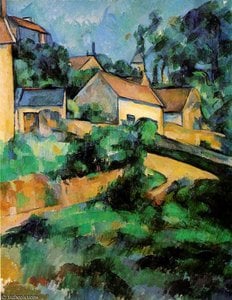
Paul Cézanne's “Study – Landscape at Auvers” isn’t merely a depiction of a Provençal village; it’s a carefully constructed meditation on perception, color, and the very essence of seeing. Painted in 1890 during his sojourn in the small village of Auvers-sur-Oise, just outside Paris, this work embodies the core tenets of Post-Impressionism – a movement Cézanne profoundly shaped – moving beyond the fleeting effects of light to explore underlying forms and structures. It’s a painting that invites prolonged contemplation, revealing layers of meaning with each return visit.
Cézanne's approach was revolutionary for his time. He wasn’t interested in faithfully reproducing what he saw; instead, he sought to capture the *idea* of the landscape – its underlying geometry and the way it interacts with light. Notice how he employs flattened planes of color, reminiscent of Seurat’s pointillism but imbued with a far more expressive intent. These aren't simply decorative hues; they are carefully chosen to define shapes and create a sense of solidity within the composition. The greens and blues of the hills are not blended smoothly, but rather applied in distinct blocks, suggesting volume and depth through color alone. This deliberate manipulation of form anticipates the abstract explorations of Cubism that would follow.
Auvers-sur-Oise itself held a particular significance for Cézanne. He had been invited there by his friend, Vincent van Gogh, who was struggling with mental illness and depression. While the two artists shared a mutual respect, their creative approaches were vastly different. Cézanne’s work in Auvers reflects a quiet intensity, a focused observation of the local environment. The village houses, rendered with simplified forms and bold colors, are not presented as charming rustic dwellings but rather as fundamental building blocks within a larger spatial arrangement. He meticulously observed the way light fell upon these structures, translating that experience onto the canvas with an almost architectural precision.
The inclusion of two figures – a man and a woman – adds a subtle layer of narrative to the scene. They are not actively engaged in any particular activity; instead, they seem to be simply present within the landscape, integrated into its fabric. Their placement is deliberate, drawing the eye across the composition and reinforcing Cézanne’s emphasis on spatial relationships. Some scholars suggest these figures represent Cézanne's wife, Marguérite, and their son, Paul, offering a glimpse into his personal life amidst his artistic endeavors.
Cézanne’s masterful use of color is central to the painting’s impact. He employs a limited palette – primarily blues, greens, browns, and ochres – but manipulates these colors with remarkable skill. The warm yellows and oranges of the sunlight contrast sharply with the cooler tones of the landscape, creating a dynamic interplay of light and shadow. He doesn't shy away from using non-naturalistic color combinations, prioritizing visual harmony over literal representation. This bold approach was revolutionary at the time, challenging traditional notions of how landscapes should be depicted.
Furthermore, Cézanne’s brushstrokes are deliberately visible, adding a tactile quality to the painting. They aren't blended or smoothed out; instead, they retain their individual character, creating a sense of movement and energy. This technique reflects his belief that the artist’s hand is an integral part of the creative process – a testament to the act of seeing itself.
"Study – Landscape at Auvers" stands as a pivotal work in art history, bridging the gap between Impressionism and modernism. It demonstrates Cézanne’s profound understanding of form, color, and spatial relationships, paving the way for subsequent generations of artists to explore new ways of representing reality. Its influence can be seen in the works of Picasso, Matisse, and countless others who followed in his footsteps. Today, reproductions of this iconic painting continue to captivate viewers with its quiet beauty and enduring power.
To experience the full richness of Cézanne’s vision, explore high-quality hand-painted oil reproduction prints available at WahooArt. Discover how these faithful recreations capture the essence of this groundbreaking masterpiece, bringing a touch of Provençal serenity to your home or studio.
Utilizarea recomandată pentru o printă a lucrării "Study - Landscape at Auvers" este Accent.
"Study - Landscape at Auvers" de Paul Cézanne emană o atmosferă Serene și este recomandată pentru o Living Room. Întreaga dispoziție este ceea ce lucrarea aduce în spațiul din jurul său.
"Study - Landscape at Auvers" a fost creat de Paul Cézanne, în stilul Post-Impressionism. Artistul și mișcarea definesc tradiția acestei opere.


1839 - 1906 , Franța
 Previzualizare
 Trimite prin felicitare
 Distribuie
 Detalii despre lucrare
 Ghid
Ghid

 Descarcă imaginea
 Produse similare
 Radiografie
 Galerie foto
 Întrebări și răspunsuri
 Statistici

 Vezi mai mult