Biografie artist
O Viziune Revoluționară: Viața și Opera lui Paul Cézanne
Paul Cézanne, născut la Aix-en-Provence în 1839, se ridică drept o figură monumentală, făcând legătura între impresiile efemere ale Impresionismului și formele fragmentate ale Cubismului. Calea sa nu a fost una de aclamație imediată; ci mai degrabă o ardere lentă a explorării artistice, marcată de perioade de îndoială de sine și respingere critică, culminând în cele din urmă într-o moștenire care ar schimba irevocabil cursul artei moderne. Născut într-o familie prosperă – tatăl său fiind inițial pălărier, devenind ulterior bancher – Cézanne s-a bucurat de o siguranță financiară neobișnuită pentru un artist aspirant, permițându-i libertatea de a se dedica pasiunii sale fără presiunile imediate ale succesului comercial. Deși inițial îndrumat spre o carieră juridică de ambițiile tatălui său, atracția expresiei artistice s-a dovedit prea puternică și a abandonat în cele din urmă dreptul pentru a urma pictura, o decizie care i-ar defini viața. Influențe timpurii au inclus Romantismul prevalent în tinerețea sa și dedicarea școlii Barbizon peisajului, dar prin întâlniri cu artiști precum Paul Gauguin și Georges Seurat, și abordările lor inovatoare ale culorii și formei, Cézanne a început să-și forgeze propria cale distinctă.
De la Întuneric la Structură: Evoluția unui Stil
Lucrările timpurii ale lui Cézanne reflectau adesea temele dramatice, încărcate emoțional caracteristice picturii Romantice – palete întunecate și pensule expresive dominând pânzele sale. Cu toate acestea, această fază inițială a fost doar o treaptă către o abordare mult mai analitică și revoluționară. Nemulțumit de simpla capturare a impresiilor fugare ale luminii, așa cum favorizau Impresioniștii, Cézanne a pornit într-o căutare pentru a înțelege și reprezenta structura fundamentală a obiectelor în sine. Nu a urmărit doar *ce* vedea, ci *cum* percepea formele fundamentale care constituiau realitatea. Acest lucru l-a determinat să descompună formele naturale în echivalentele lor geometrice – conuri, cilindri, sfere – anticipând revoluția Cubistă cu decenii înainte de materializarea ei. Tehnica sa a devenit caracterizată prin pensule mici, repetitive, meticulos stratificate pentru a construi câmpuri complexe de culoare și textură, creând un sentiment de soliditate și profunzime nevăzute anterior în pictură. Nu era interesat de spațiul iluzoriu; în schimb, prezenta adesea obiecte din mai multe puncte de vedere simultan, contestând noțiunile tradiționale de perspectivă și forțând privitorul să se angajeze activ cu natura construită a compozițiilor sale. Această distorsiune deliberată nu a fost arbitrară, ci mai degrabă o încercare de a transmite o înțelegere mai completă a formei, reprezentând nu doar un moment unic în timp, ci o sinteză a percepției.
Peisaje, Naturi Moarte și Forma Umană: Lucrări Cheie și Motive Recurente
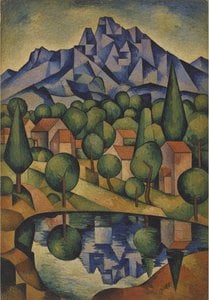
Opera lui Cézanne este remarcabil de diversă, cuprinzând peisaje, naturi moarte, portrete și reprezentări ale scăldătoarelor, dar toate sunt unite prin abordarea sa unică a formei și culorii. Lacul de la Jas de Bouffan, pictat în 1880, exemplifică munca sa peisagistică, demonstrând capacitatea sa de a surprinde esența naturii printr-o aranjare atentă a formelor și tonurilor. Portretul lui Émile Zola, creat în 1866, dezvăluie stilul său în evoluție și oferă o privire convingătoare asupra intensității intelectuale a prietenului său apropiat și coleg scriitor. Naturile sale moarte, cum ar fi cele cu mere și alte fructe, nu sunt doar reprezentări ale obiectelor, ci mai degrabă explorări ale volumului, luminii și relațiilor spațiale. Seria Mont Sainte-Victoire a devenit o obsesie pentru Cézanne, un motiv recurent care i-a permis să investigheze neîncetat forma și perspectiva timp de decenii. Aceste picturi nu sunt doar reprezentări ale unui munte; ele sunt studii despre modul în care percepem profunzimea, volumul și interacțiunea luminii și umbrei. În cele din urmă, seria sa de Scăldătoare, descriind figuri goale în peisaje idilice, reprezintă o explorare profundă a formei umane și a conexiunii sale cu natura, adesea încărcată cu un sentiment de atemporalitate și contemplație liniștită.
O Moștenire Forjată în Inovație: Influența lui Cézanne asupra Artei Moderne
Impactul lui Paul Cézanne asupra generațiilor ulterioare de artiști este imensurabil. Este considerat pe scară largă „părintele artei moderne” pentru contribuțiile sale revoluționare la limbajul pictural, deschizând calea pentru multe dintre principalele mișcări artistice ale secolului al XX-lea. Pablo Picasso și Georges Braque au fost profund îndatorați accentului lui Cézanne asupra formelor geometrice și a perspectivelor multiple, care au devenit elemente centrale ale Cubismului. Utilizarea sa îndrăzneață a culorii a inspirat, de asemenea, mișcarea Fauvistă, condusă de artiști precum Henri Matisse, care au îmbrățișat nuanțe vibrante, nenaturale. Chiar și artiștii suprarealiști au găsit rezonanță în explorarea percepției subiective și a profunzimii psihologice a lui Cézanne. Dincolo de mișcările specifice, insistența lui Cézanne asupra viziunii personale a artistului și respingerea constrângerilor academice tradiționale au eliberat generații de pictori să exploreze noi forme de expresie. A contestat chiar definiția reprezentării, schimbând accentul de la imitarea realității la construirea unei experiențe vizuale bazate pe structura fundamentală și percepția subiectivă. Moartea sa în 1906 nu a marcat un sfârșit, ci un început – zorii unei noi ere în istoria artei, una profund modelată de viziunea sa revoluționară.



 Vezi în context
 Comandă pictură realizată manual
 Trimite
 Distribuie
 Detalii

 Descarcă
 Produse similare
 Radiografie
 Diaporama
 Statistici


 Citește mai mult






































 Opțiunea cu sticlă este disponibilă doar pentru dimensiuni de sub 110 cm