Vezi în context Previzualizare AR Comută pe versiunea Print Comandă pictură realizată manual Trimite
Detalii Ghidul Adaugă la favorite Descarcă Produse similare Radiografie Diaporama Statistici

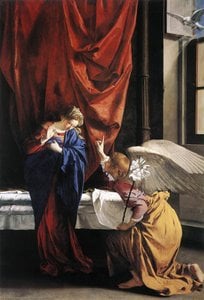
Madonna

Initially Mannerist, evolving to incorporate elements of Caravaggio's naturalism. Characterized by bright colors, dramatic compositions, a lighter palette, precise detail, and an elegant, courtly style in later works.

Descoperă măiestria lui Orazio Gentileschi prin opere impresionante precum „Danae”, „Înعلنântul” și „Sfânta Maria”! Pictor italien de stil baroc revoluționar, influențat puternic de Caravaggio și cunoscut pentru dramaticismul compozițiilor sale și culori vii.

Achiziționați o imagine digitală de înaltă rezoluție, îmbunătățită, mult superioară previzualizării online.

Fiecare fișier este pregătit cu meticulozitate de specialiștii noștri interni, utilizând instrumente avansate și retușare manuală expertă. Ne asigurăm că fiecare imagine beneficiază de o claritate excepțională, o acuratețe precisă a culorilor și detalii fine.

Fișierul final este livrat prin e-mail în termen de 72 de ore, optimizat pentru utilizare imediată în medii profesionale, editoriale și de imprimare. Aceasta este aceeași calitate în care au încredere studiouri de design, edituri și galerii de top.

Imagine Digitală

Descărcați un fișier la rezoluție înaltă pentru afișare personală, imprimare și proiecte creative. ( Comută pe versiunea Print Comandă pictură realizată manual)

Preț total

$ 24,90

Inclus în fiecare comandă de imagini digitale

Livrare digitală de expertiză, garantată

Când alegeți WahooArt.com, nu primiți doar o simplă imagine – primiți o operă de artă digitală îmbunătățită profesional, creată cu precizie și susținută de o garanție de satisfacție. Iată tot ceea ce primești odată cu comanda ta, în mod automat:

shipping_icon
Livrare rapidă prin e-mail

Fișierul imaginii digitale la rezoluție înaltă vă va fi trimis prin e-mail în termen de 72 de ore de la finalizarea comenzii – gata pentru utilizare imediată.

canvas_icon
Fișier digital optimizat prin IA

Opera ta de artă este optimizată profesional prin intermediul unor instrumente AI avansate și al editării manuale, asigurând un nivel maxim de detalii, claritate și acuratețe a culorilor.

insurance_icon
Retransmitere gratuită pe viață

Ai șters sau ai pierdut din greșeală fișierul? Nu îți face griji – ți-l vom retrimite oricând, gratuit.

tax_icon
Fără taxe de import – Întotdeauna

Bucură-te instant de noua ta operă de artă, fără taxe vamale, taxe de import sau costuri de livrare – descărcările digitale sunt întotdeauna fără taxe.

color_icon
Garanția fidelității culorilor

Asigurăm o reflectare cât mai fidelă a culorilor originale în imaginea ta digitală, prin utilizarea unor instrumente profesionale și a proceselor de gestionare a culorii.

return_icon
Garanție de satisfacție de 100 de zile

Dacă nu sunteți mulțumit de imaginea digitală achiziționată, o vom revizui sau vă vom returna 100% în termen de 100 de zile – fără nicio întrebare.

guarantee_icon
Garanție de returnare 100% a banilor

Nu ești mulțumit? Primești rambursarea integrală în termen de 100 de zile de la primirea fișierului digital – fără nicio întrebare.

discount_icon
Reduceri pentru comenzi în volum

Cumpără 3 imagini, economisește 10% - Cumpără 5, economisește 15% - Cumpără 10+, economisește 20%. Ideal pentru proiecte creative, galerii și agenții.

Detalii rapide

  • Artistic style: Elegant Mannerism
  • Medium: Oil on Panel
  • Title: Madonna
  • Artist: Orazio Gentileschi
  • Notable elements or techniques: Dramatic lighting; Naturalistic modeling
  • Influences: Caravaggio
  • Location: Private Collection

A Divine Encounter in Shadow and Light

In the quietude of Orazio Gentileschi’s Madonna, we find ourselves standing at the threshold of a transformative era in art history. This masterpiece, painted around 1604, serves as a breathtaking bridge between the elegant, often artificial complexities of Mannerism and the raw, visceral drama of the Baroque. The composition centers on the Virgin Mary, whose presence is both profoundly human and ethereally divine. Clad in a somber brown robe trimmed with delicate white, her face radiates a serene, contemplative grace. As she gazes downward, her eyes hold a depth of maternal tenderness that transcends the canvas, inviting the viewer into a moment of silent prayer. Beside her, the Christ Child, swathed in a vibrant yellow garment, looks outward toward us, creating an immediate and piercing emotional connection that bridges the gap between the sacred subject and the earthly observer.

The technical brilliance of this work lies in Gentileschi’s masterful command of chiaroscuro, a technique heavily influenced by his contemporary, Caravaggio. By plunging the background into a deep, impenetrable darkness, the artist forces our focus onto the luminous skin and rich textures of the central figures. This stark contrast does more than create depth; it sculptively carves the Madonna from the shadows, lending her a physical weight and presence that feels startlingly real. The light does not merely illuminate; it caresses the folds of the fabric and the soft contours of the infant's cheek, imbuing the scene with a sense of living breath. For the discerning collector or interior designer, this interplay of light and shadow offers a sophisticated focal point that can anchor a room with both gravity and elegance.

Symbolism and the Soul of the Baroque

Beyond its visual splendor, the Madonna is rich with the symbolic language of the early 17th century. The choice of colors—the earthy browns of the Virgin’s attire contrasted against the celestial yellow of the Child—speaks to the intersection of the terrestrial and the divine. The Madonna represents the stability of faith and the nurturing strength of the Church, while the radiant child symbolizes the light of hope entering a dark world. Every brushstroke is an exercise in humanist sensibility, where the divine is not depicted as a distant, untouchable entity, but as something intimately connected to the human experience through emotion, touch, and gaze.

To possess a reproduction of this work is to bring a piece of the Italian Renaissance's twilight and the Baroque's dawn into one's personal space. It is an invitation to contemplate the eternal themes of motherhood, devotion, and the beauty found in stillness. Whether placed in a curated gallery setting or as a soulful addition to a classically styled study, this painting offers more than mere decoration; it provides a window into a period of unparalleled artistic courage, where masters like Gentileschi dared to find the extraordinary within the shadows of the ordinary.


Biografie artist

A Tuscan Dawn: The Life and Art of Orazio Gentileschi

Born in 1563 amidst the rolling hills of Tuscany, Orazio Gentileschi embarked on a journey that would see him become a pivotal figure in the transition from Mannerism to Baroque painting. Initially known as Orazio Lomi, he gravitated towards Rome, then the epicenter of artistic innovation, where he honed his skills within the workshops of Cola dell’Amata and absorbed the architectural sensibilities of Francesco da Sangallo. These early influences instilled in him a meticulous attention to form and composition, characteristics that would remain hallmarks of his style even as it dramatically evolved. Gentileschi’s initial work often involved contributing figures to larger decorative schemes conceived by other artists – a formative experience that taught him collaboration and adaptability, yet also hinted at a burgeoning ambition for independent expression. He began his career assisting in the creation of frescoes for churches and palaces, learning the fundamentals of perspective, color theory, and composition under the tutelage of established masters. This period provided invaluable training, exposing him to diverse artistic styles and techniques, laying the groundwork for his future development as a painter.

Embracing the Shadow: Caravaggio's Influence and Artistic Development

The turn of the 17th century marked a turning point in Gentileschi’s artistic trajectory. The revolutionary naturalism of Caravaggio burst onto the Roman art scene, challenging established conventions with its dramatic use of light and shadow – *tenebrism* – and unflinching realism. Gentileschi was profoundly affected by this seismic shift, adopting elements of Caravaggio's style into his own work. However, he wasn’t merely an imitator; rather, he filtered Caravaggio’s innovations through his existing artistic sensibilities. While retaining the dramatic intensity, Gentileschi softened the harshness of Caravaggio’s *tenebrism*, introducing a lighter palette and a more refined approach to detail. This resulted in paintings that possessed both emotional power and elegant grace – a unique synthesis that distinguished him from his contemporaries. Biblical scenes and mythological narratives became frequent subjects, allowing Gentileschi to explore themes of faith, heroism, and human vulnerability with compelling visual storytelling. He skillfully blended Caravaggio’s stark contrasts with his own penchant for nuanced color gradations, creating an atmosphere of both drama and serenity. His early works demonstrate a clear debt to Caravaggio, yet they also possess a distinct Tuscan lyricism that sets him apart.

A Courtly Wanderer: From Paris to London

Gentileschi’s artistic reputation extended beyond Italy’s borders. His talent attracted the patronage of powerful figures, leading him on a peripatetic journey through Europe. He spent time at the court of Marie de' Medici in Paris, where his refined style resonated with the Queen’s taste for elegance and sophistication. This period saw a further evolution in his work, characterized by increasingly elaborate compositions and a heightened sense of decorum. He became known for his ability to capture the nuances of aristocratic life, depicting portraits and scenes of courtly intrigue with remarkable skill and sensitivity. However, it was his invitation to England in 1626 that would define the final chapter of his career. Appointed court painter to Charles I, Gentileschi became one of the first major exponents of Caravaggism in Britain, significantly influencing the development of English Baroque painting. He undertook ambitious projects, including a series of ceiling paintings for Greenwich Palace (now Marlborough House), showcasing his mastery of large-scale decorative schemes and solidifying his position as a leading artist of his time. His work in England reflected a shift towards greater formality and grandeur, aligning with the tastes of the royal court.

Key Works and Artistic Style

Gentileschi’s oeuvre encompasses a diverse range of subjects, including biblical scenes, mythological narratives, portraits, and allegorical compositions. His most celebrated works include “Danae,” a dramatic depiction of Zeus’s abduction of Danaë, showcasing his mastery of color and composition; "The Annunciation," a serene portrayal of the Virgin Mary receiving the news of her impending motherhood, demonstrating his ability to evoke spiritual emotion; and “The Virgin Mary with Child” – a testament to his skill in capturing the tenderness and grace of maternal love. His style is characterized by a harmonious blend of Mannerist precision and Caravaggesque dynamism. He employed a rich palette, often utilizing warm earth tones alongside vibrant blues and reds, creating a sense of depth and luminosity. Gentileschi’s compositions are typically balanced and symmetrical, yet they are infused with a dramatic tension that draws the viewer's eye to key figures and moments. His meticulous attention to detail—from the folds of drapery to the expressions on his subjects’ faces—contributes to the overall realism and emotional impact of his paintings.

Legacy and Lasting Impact

Orazio Gentileschi’s contributions to the world of art are multifaceted. He bridged the gap between Mannerism and Baroque, absorbing the innovations of Caravaggio while forging his own distinctive style. His use of vibrant colors, dramatic compositions, and refined technique influenced a generation of artists across Europe. He was instrumental in introducing Caravaggism to England, leaving an indelible mark on the artistic landscape there. But perhaps his most enduring legacy lies in his daughter, Artemisia Gentileschi. Trained in her father’s studio, she emerged as one of the most celebrated female painters of the Baroque era, carrying forward the family's artistic tradition and achieving renown in her own right. Today, Gentileschi’s works are held in prestigious museums and galleries worldwide – from the Uffizi Gallery in Florence to the Accademia Gallery in Venice – testaments to his enduring brilliance and lasting impact on the history of art. His paintings continue to captivate viewers with their emotional depth, technical virtuosity, and timeless beauty.
  • Major Works: “Danae”, "The Annunciation", "The Virgin Mary"
  • Key Influences: Mannerism, Caravaggio
  • Artistic Style: Baroque, Dramatic compositions, Bright colors.
Orazio Gentileschi

Orazio Gentileschi

1563 - 1639 , Italia

Informații esențiale

  • Artistic Movement Or Style: Baroc, Caravaggism
  • Artists Or Movements Influenced By This Artist:
    • Artemisia Gentileschi
    • Barocco
  • Artists Who Influenced This Artist:
    • Caravaggio
    • Sangallo
  • Date Of Birth: 1563
  • Date Of Death: 1639
  • Full Name: Orazio Gentileschi
  • Nationality: Italian
  • Notable Artworks:
    • Danae
    • Annunciata
    • Maria cu copil
  • Place Of Birth: Tuscany, Italia