CONSULTAȚIE GRATUITĂ ÎN ARTE VIZUALE

x
Comandă tipăritul Comandă tipăritulComandă reproducere pictată Comandă reproducere pictată TrimiteTrimite
DetaliiDetalii Adaugă la favorite Adaugă la favorite DescarcăDescarcă SimilareSimilare Raze XRaze X DiaporamaDiaporama

Bacchic Scene

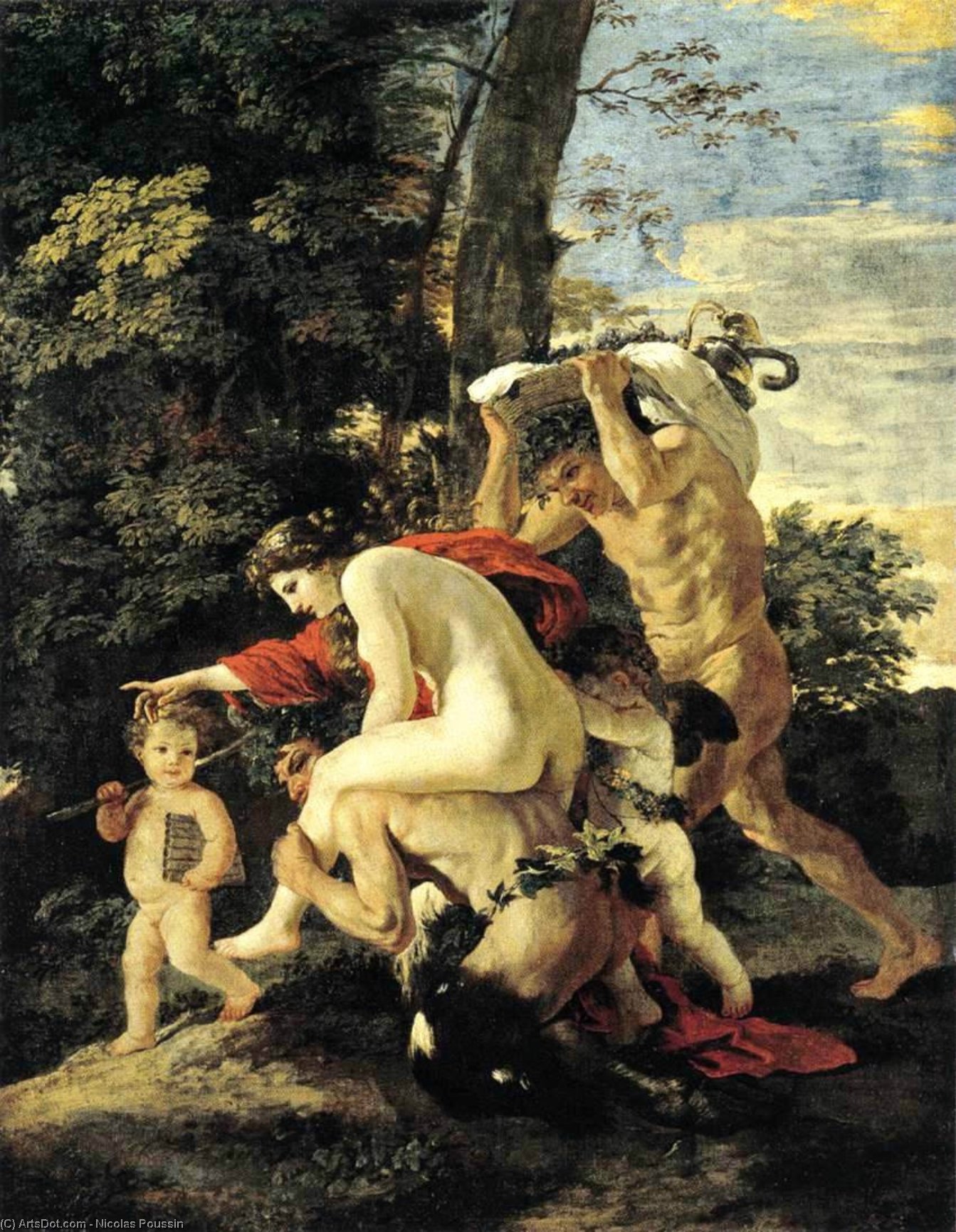
Nicolas Poussin’s ‘Bacchic Scene’ (1627) captures a lively Roman festival with mythological figures and dramatic chiaroscuro. Explore classical beauty & Baroque artistry in this masterpiece.

Descoperă operele impresionante ale lui Nicolas Poussin – pictor francez celebru pentru armonie și solemnitate în scene istorice și mitologice inspirate din antichitate! Vizualizare acum!

Achiziționați o imagine digitală îmbunătățită și de înaltă rezoluție, mult superioară previzualizării online.

Fiecare fișier este pregătit cu meticulozitate de specialiștii noștri interni, utilizând instrumente avansate și retușare manuală expertă. Ne asigurăm că fiecare imagine beneficiază de o claritate excepțională, o acuratețe precisă a culorilor și detalii fine.

Fișierul final este livrat prin e-mail în termen de 72 de ore, optimizat pentru utilizare imediată în medii profesionale, editoriale și de imprimare. Aceasta este aceeași calitate în care au încredere studiouri de design, edituri și galerii de top.

Imagine Digitală

Descărcați un fișier la rezoluție înaltă pentru afișare personală, imprimare și proiecte creative.

Preț total

$9.99

Inclus în fiecare comandă de imagini digitale

Livrare digitală de expertiză, garantată

Când alegeți WahooArt.com, nu primiți doar o simplă imagine – primiți o operă de artă digitală îmbunătățită profesional, creată cu precizie și susținută de o garanție de satisfacție. Iată tot ceea ce primești odată cu comanda ta, în mod automat:

shipping_icon
Livrare rapidă prin e-mail

Fișierul imaginii digitale la rezoluție înaltă vă va fi trimis prin e-mail în termen de 72 de ore de la finalizarea comenzii – gata pentru utilizare imediată.

canvas_icon
Fișier digital optimizat prin IA

Opera ta de artă este optimizată profesional prin intermediul unor instrumente AI avansate și al editării manuale, asigurând un nivel maxim de detalii, claritate și acuratețe a culorilor.

insurance_icon
Retransmitere gratuită pe viață

Ai șters sau ai pierdut din greșeală fișierul? Nu îți face griji – ți-l vom retrimite oricând, gratuit.

tax_icon
Fără taxe de import – Întotdeauna

Bucură-te instant de opera ta de artă, fără taxe vamale, taxe de import sau costuri de livrare – descărcările digitale sunt întotdeauna fără taxe.

color_icon
Garanția acurateței culorilor

Asigurăm că imaginea ta digitală reflectă culorile originale cât mai fidel posibil, utilizând instrumente profesionale și procese de gestionare a culorii.

return_icon
Garanție de satisfacție de 60 de zile

Dacă nu sunteți mulțumit de imaginea digitală achiziționată, o vom revizui sau vă vom returna 100% în termen de 60 de zile – fără nicio explicație necesară.

guarantee_icon
Garanție de returnare 100% a banilor

Nu ești mulțumit? Obține o rambursare completă în termen de 60 de zile de la primirea fișierului tău digital – fără întrebări.

discount_icon
Reduceri pentru comenzi multiple

Cumpără 3 imagini, economisește 10% - Cumpără 5, economisește 15% - Cumpără 10+, economisește 20%. Ideal pentru proiecte creative, galerii și agenții.

Informații rapide

  • Subject or theme: Bacchic revelry
  • Notable elements or techniques: Chiaroscuro, classical influences
  • Artistic style: Baroque, Classical
  • Influences: Roman mythology
  • Medium: Oil on canvas
  • Dimensions: 96 x 75 cm
  • Year: 1627

Test de cunoștințe despre artă

Fiecare întrebare are un singur răspuns corect.

Întrebare 1:
What is the primary subject depicted in Nicolas Poussin’s ‘Bacchic Scene’?
Întrebare 2:
In which city is Nicolas Poussin’s ‘Bacchic Scene’ currently housed?
Întrebare 3:
What artistic technique is prominently used by Poussin in ‘Bacchic Scene’ to create a sense of depth and drama?
Întrebare 4:
The presence of a horse in the background of ‘Bacchic Scene’ primarily symbolizes:
Întrebare 5:
Which of the following best describes Poussin’s artistic style as exemplified by ‘Bacchic Scene’?

Descrierea obiectului de colecție

A Window Into Ancient Reverie: Nicolas Poussin’s Bacchic Scene

Nicolas Poussin's Bacchic Scene, painted in 1627 and now residing within the Staatsliche Museen in Kassel, Germany, is more than just a depiction of revelry; it’s a meticulously crafted portal into the heart of Roman mythology and the intoxicating allure of Dionysian ecstasy. This masterful work transcends mere representation, offering a profound meditation on joy, abandon, and the human desire for liberation—themes that continue to resonate powerfully with viewers centuries later. Poussin, a pivotal figure bridging the Baroque and Classical eras, expertly blends the dynamism of the Baroque with the serene clarity and intellectual rigor characteristic of his classical influences, creating an image both vibrant and deeply contemplative.

The painting immediately captivates with its lush, almost dreamlike setting. A dense forest, teeming with verdant trees, forms the backdrop for a lively gathering of figures caught in the throes of celebration. The composition is carefully orchestrated, drawing the eye towards a central group dominated by three key figures: a man standing atop another seated figure, and a third positioned to the right. These aren’t merely participants; they are anchors within a swirling vortex of activity. Beyond this core trio, the scene unfolds with a supporting cast – two individuals glimpsed at the edges, a child nestled near the bottom left corner, and a horse subtly integrated into the background—each element contributing to the overall sense of abundance and unrestrained joy. The use of perspective is particularly noteworthy, creating an illusion of depth that draws the viewer into this immersive world.

Decoding the Language of Myth

At its core, the Bacchic Scene is a vibrant interpretation of Roman festivals dedicated to Bacchus, the god of wine, fertility, and ecstasy. The figures are not simply depicted as celebrating; they embody the very essence of Dionysian revelry—a state characterized by intoxication, loss of inhibitions, and a profound connection with nature. The presence of the horse is particularly significant, symbolizing wildness, freedom, and the untamed spirit of Bacchus. It’s a potent visual reminder of the primal forces at play within this scene, suggesting a return to instinctual joy and a rejection of societal constraints.

Symbolism permeates every aspect of the painting. The figures themselves are rendered in various states of intoxication—some dancing wildly, others reclining languidly, while still others engage in more intimate interactions. The scattered fruit and overflowing baskets further emphasize the abundance and generosity associated with Bacchus’s domain. Poussin masterfully employs chiaroscuro – a dramatic technique utilizing strong contrasts between light and dark – to sculpt the figures, lending them volume and creating a palpable sense of movement and drama. This masterful use of light not only enhances the visual impact but also contributes to the painting's overall atmosphere of heightened emotion.

A Synthesis of Styles: Poussin’s Artistic Legacy

Nicolas Poussin’s genius lies in his ability to seamlessly blend classical ideals with Baroque dynamism. He inherited the Baroque emphasis on dramatic lighting and movement, but tempered it with a profound understanding of classical composition and idealized beauty. The Bacchic Scene exemplifies this synthesis perfectly—it's both intensely emotional and remarkably controlled, both vibrant and serene. His meticulous attention to detail, evident in the rendering of drapery, foliage, and facial expressions, speaks to his dedication to realism while simultaneously elevating the scene to a level of timeless elegance.

The painting’s influence extends far beyond its own time. Artists like Thomas Robson created copies of Poussin's works, demonstrating the enduring appeal of his style. Considered a cornerstone of European art history, Poussin’s work continues to inspire and captivate audiences today. For those seeking to experience the beauty and intellectual depth of this masterpiece, WahooArt offers meticulously crafted hand-painted reproductions that faithfully capture the essence of Poussin's vision. Explore more of Poussin’s captivating works, such as Narcissus and Echo and Esther before Ahasuerus, available on WahooArt.com – a testament to an artist whose legacy continues to illuminate the world of art.

Discover more about Nicolas Poussin and his works on WahooArt.

Biografie Artist

Nicolas Poussin

Nicolas Poussin, a name synonymous with the grandeur of French Baroque painting, was nonetheless a soul deeply rooted in Italian soil for much of his artistic life. Born in Les Andelys, Normandy, in June 1594, his early years remain somewhat veiled in mystery, yet they undoubtedly laid the foundation for a career that would become pivotal in shaping the classical tradition within French art. Though he briefly studied in Paris during the early 1610s, absorbing influences from lesser-known artists of the time—primarily those experimenting with Venetian Mannerism—it was his journey to Rome in 1624 that truly ignited his artistic destiny. This wasn’t merely a geographical relocation; it was an immersion into the heart of antiquity, a pilgrimage to the very source of inspiration that would define his aesthetic vision. Poussin's initial explorations of painting were marked by a sensuous quality reminiscent of Titian and Giorgione—a characteristic of Venetian art at the time—yet even in these early works, a nascent sense of order and intellectual rigor began to emerge—a foreshadowing of the style he would so masterfully refine. He demonstrated considerable talent from a young age, capturing landscapes with remarkable accuracy and conveying emotion through subtle tonal variations.

The Roman Years: Forging a Classical Ideal

Rome proved to be more than just a studio for Poussin; it became his intellectual crucible. He found himself amidst a vibrant circle of scholars, archaeologists, and fellow artists—including Cassiano dal Pozzo, whose profound understanding of classical antiquity profoundly influenced the artist’s approach. Dal Pozzo's unwavering dedication to meticulously documenting ancient remains instilled in Poussin a deep respect for historical accuracy and a fervent desire to imbue his paintings with a sense of timelessness. This period witnessed a decisive shift away from the flamboyant excesses prevalent amongst some of his contemporaries—a conscious rejection of theatricality in favor of clarity, balance, and a deliberate emphasis on linear composition. He devoted himself tirelessly to studying Raphael’s monumental frescoes in Stanza della Segnatura at Vatican City, absorbing their harmonious arrangements and graceful forms with meticulous attention. Simultaneously, he drew inspiration from sculptures unearthed during excavations—particularly those embodying the ideals of beauty and virtue—further cementing his commitment to classical principles. The influence of Michelangelo's sculptural achievements was palpable, shaping Poussin’s understanding of human anatomy and expressive gesture.

Influences and Artistic Style

Poussin’s artistic style developed organically from these formative experiences. Initially experimenting with Venetian techniques—characterized by rich color palettes and luminous effects—he swiftly transitioned to a more restrained aesthetic informed by the precepts of Renaissance Humanism. He embraced a compositional strategy rooted in disegno—the Italian concept of drawing—prioritizing careful planning and precise execution. Linear perspective was employed rigorously, creating illusionistic depth that conveyed both spatial realism and intellectual contemplation. Unlike many Baroque painters who sought to overwhelm the viewer with dramatic emotion, Poussin cultivated a serene and dignified visual language—one designed to elevate the spirit rather than incite immediate sensation. Raphael’s influence was particularly profound, shaping his mastery of harmonious proportions and graceful drapery—elements that would become hallmarks of his oeuvre. Furthermore, he absorbed lessons from humanist writers like Petrarch and Erasmus, whose philosophical meditations on beauty and virtue resonated deeply within him.

Major Achievements: Mythological Narratives and Religious Visions

Poussin’s artistic output spanned a remarkable range of subjects—ranging from biblical narratives to mythological tales and expansive landscapes—yet consistently united by his unwavering devotion to classical ideals. He achieved international renown for his monumental paintings depicting scenes from Greek mythology, notably *Et in Arcadia ego*, which captured the melancholic beauty of pastoral life while simultaneously meditating on mortality and the elusive nature of divine presence. This masterpiece exemplifies Poussin’s ability to synthesize observation with imagination—to transform historical references into evocative visual metaphors. He produced a prolific series of canvases illustrating biblical stories—including *The Seven Sacraments*—demonstrating his profound theological understanding alongside his unparalleled artistic skill. These works are distinguished by their meticulous detail and symbolic richness, conveying moral truths through carefully crafted compositions and luminous color palettes. His landscapes—particularly those depicting idealized vistas bathed in golden light—became celebrated for their tranquility and sublimity—reflecting a humanist vision of the natural world as harmonious and ordered.

Legacy: Shaping French Classicism

Nicolas Poussin’s impact on French art extended far beyond his own lifetime. He served as First Painter to the King under Cardinal Richelieu from 1640, establishing himself as a leading figure in the Académie Royale de Peinture et de Sculpture—a pivotal institution that championed classical principles and fostered artistic excellence. Artists like Jacques-Louis David and Paul Cézanne openly acknowledged their debt to Poussin’s rigorous approach and intellectual depth—recognizing him as a cornerstone of French Classicism. His legacy resides not merely in stylistic imitation but in the enduring conviction that art should aspire to moral elevation—a testament to an artist who sought not simply to depict the world but to illuminate its deepest truths through the transformative power of beauty. He remains revered as one of France’s greatest painters, a figure whose work continues to inspire admiration and contemplation centuries after his death in 1665.
  • Notable Works: *The Death of Germanicus*, *The Seven Sacraments Series*, *A Roman Road*, *Orion Blinded Searching for the Sun*, *The Seasons*.
  • Key Characteristics: Classical Composition, Linearity, Historical and Mythological Themes, Serene Landscapes.
Nicolas Poussin

Nicolas Poussin

1594 - 1665 , Franța

Detalii rapide

  • Artistic Movement Or Style: Baroc, Clasicism
  • Artists Who Influenced This Artist:
    • Rafael
    • Titian
  • Date Of Birth: 1594
  • Full Name: Nicolas Poussin
  • Nationality: Franțuzesc
  • Notable Artworks:
    • Moartea lui Germanicus
    • Șapte Sacrament
    • Drum roman
    • Orion căutând Soarele
    • Sezoanele
  • Place Of Birth: Le Havre, Franța