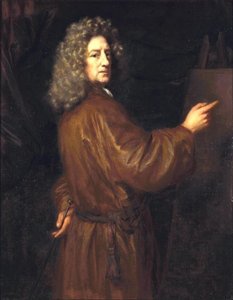
O via cufundată în lumina și umbra olandeză
Nicolaes Maes, un nume care rezonează cu delicate în panteonul maeștrilor Epocii de Aur olandeze, s-a născut la Dordrecht în ianuarie 1634, într-o lume plină de prosperitate comercială și ferment artistic. Tatăl său, Gerrit Maes, un negustor de țesături și fierbător de săpun de succes, i-a oferit o educație confortabilă, permițându-i tânărului Nicolaes să își cultive talentul incipient pentru pictură. Deși primele sale lecții au venit de la un artist local de renume modest, momentul decisiv în dezvoltarea lui Maes a apăritate când a călătorit spre Amsterdam în jurul anului 1648 și a intrat în atelierul lui Rembrandt van Rijn. Această ucenicie s-a dovedit a fi transformatoare, îmbuudindu-l cu o apreciere durabilă pentru jocul dramatic de lumină și umbră –
chiaroscuro – și cu o stăpânire magistrală a culorii care avea să definească primele sale opere. Influența a fost atât de profundă încât picturile inițiale, precum reprezentările scenelor biblice realizate cu figuri la dimensiuni naturale și nuanțe bogate, strălucitoare, erau adesea atribuite în eroare chiar lui Rembrandt. Acești ani formativi au pus bazele unei cariere marcate atât de strălucire tehnică, cât și de o înțelegere intimă a emoției umane.
Din umbra lui Rembrandt către o viziune independentă
Întorcându-se la Dordrecht în 1654, Maes a început să își croiască propriul drum artistic, îndepărtându-se treptat de imitarea directă a fostului său maestru. Deceniul următor a fost martorul unei schimbări către scene de gen domestice, la o scară mai mică, păstrând totodată colorismul vibrant absorbit în perioada petrecută alături de Rembrandt. Își îndreptă privirea ageră spre viața cotidiană a cetățenilor olandezi, pictând femei implicate în activități obișnuite – torsul lânii, cititul scripturilor, prepararea meselor – cu o detalie și o sensibilitate remarcabile. A apărut o fascinație particulară pentru arta complicată a dantelării, inspirând numeroase variații pe această temă, fiecare fiind o mărturie a observației meticuloase și a îndemânării lui Maes. Aceste picturi nu erau doar simple reprezentări ale vieții de zi cu zi; ele erau ferestre către sfera domestică, dezvăluind demnitatea liniștită și narativele subtile țesute în structura societății olandeze din secolul al XVII-lea. Opera sa din această perioadă demonstrează capacitatea de a surprinde nu doar
ce făceau oamenii, ci și
cum se simțeau în timp ce o făceau.
Portretele Amsterdamului
În 1673, Maes s-a mutat la Amsterdam, o mișcare care semnala atât ambiția artistică, cât și o adaptare astutoasă la piața de artă în continuă evoluție. Orașul, încă afectat de războaiele cu Anglia și Franța, prezenta o cerere tot mai mare pentru portretistică, iar Maes s-a impus rapid ca unul dintre cei mai importanți practicanți ai acesteia. El a renunțat la o mare parte din lucrările sale anterioare de gen, concentrându-se în schimb pe surprinderea asemănărilor și a personalităților unor cetățeni proeminenți din Amsterdam. Portretele sale sunt caracterizate printr-o eleganță rafinată și o perspectivă psihologică profundă, dezvăluind nu doar asemănarea fizică, ci și indicii despre caracterul și statutul social al subiectului. Lucrări precum „Portretul lui Gerard Röver, negustor și armător în Amsterdam” exemplifică această abilitate, prezentând o reprezentare demnă a bogăției și a mândriei civice. A devenit adept în transmiterea statutului prin detalii subtile – calitatea țesăturilor, croiala hainelor, postura încrezătoare a celor pictați. Această perioadă a marcat o schimbare stilistică semnificativă, îndepărtându-se de căldura și intimitatea timpurii către o estetică mai finisată și sofisticată.
Moștenire și atractivitate durabilă
Nicolaes Maes a trecut prin existență în Amsterdam în decembrie 1693, lăsând în urmă un corpus substanțial de opere care continuă să captiveze publicul și astăzi. Picturile sale oferă perspective inestimabile asupra obiceiurilor sociale, interioarelor domestice și complexității psihologice a Epocii de Aur olandeze. Deși primele sale lucrări poartă amprenta de neegalat a influenței lui Rembrandt, Maes a dezvoltat în cele din urmă un stil distinctiv, caracterizat prin detaliul meticulos, o paletă cromatică vibrantă și o reprezentare sensibilă a caracterului uman. Capacitatea sa de a ridica scenele cotidiene și indivizii la o semnificație artistică îi asigură locul printre cei mai importanți pictori ai erei sale. Astăzi, picturile sale sunt păstrate în colecții prestigioase din întreaga lume, inclusiv în Rijksmuseum din Amsterdam, National Gallery din Londra și National Gallery of Art din Washington D.C., fiind ușor accesibile pentru studiu și apreciere prin platforme precum WahooArt.com, asigurându-se astfel că moștenirea acestui maestru olandez va dăinuie pentru generațiile ce vor veni.
Caracteristici cheie ale operei sale
- Influența lui Rembrandt: Primele lucrări demonstrează o influență puternică din partea lui Rembrandt van Rijn, în special prin utilizarea chiascuro-ului și a paletelor de culori bogate.
- <Scene de gen: Maes este renumit pentru reprezentările sale intime ale vieții de zi cu zi, concentrându-se pe interioarele domestice și activități precum torsul, lectura și dantelarea.
- <Stăpânirea portretului: A devenit un pictor de portrete de prim rang în Amsterdam, cunoscut pentru surprinderea asemănării și a caracterului subiectelor sale cu precizie și eleganță.
- <Observație detaliată: Picturile sale sunt caracterizate printr-o atenție meticuloasă la detalii, în special în redarea texturilor, a materialelor și a expresiilor faciale.
- <Perspectivă psihologică: Maes poseda o capacitate remarcabilă de a transmite viețile interioare și emoțiile subiectelor sale prin gesturi și expresii subtile.



 Vezi în context
 Comută pe versiunea Print
 Trimite
 Distribuie
 Detalii

 Descarcă
 Produse similare
 Radiografie
 Diaporama
 Statistici


 Citește mai mult