CONSULTAȚIE GRATUITĂ ÎN ARTE VIZUALE

x
Comandă tipăritul Comandă tipăritulCumpără imaginea Cumpără imaginea TrimiteTrimite
DetaliiDetalii Adaugă la favorite Adaugă la favorite DescarcăDescarcă SimilareSimilare Raze XRaze X DiaporamaDiaporama

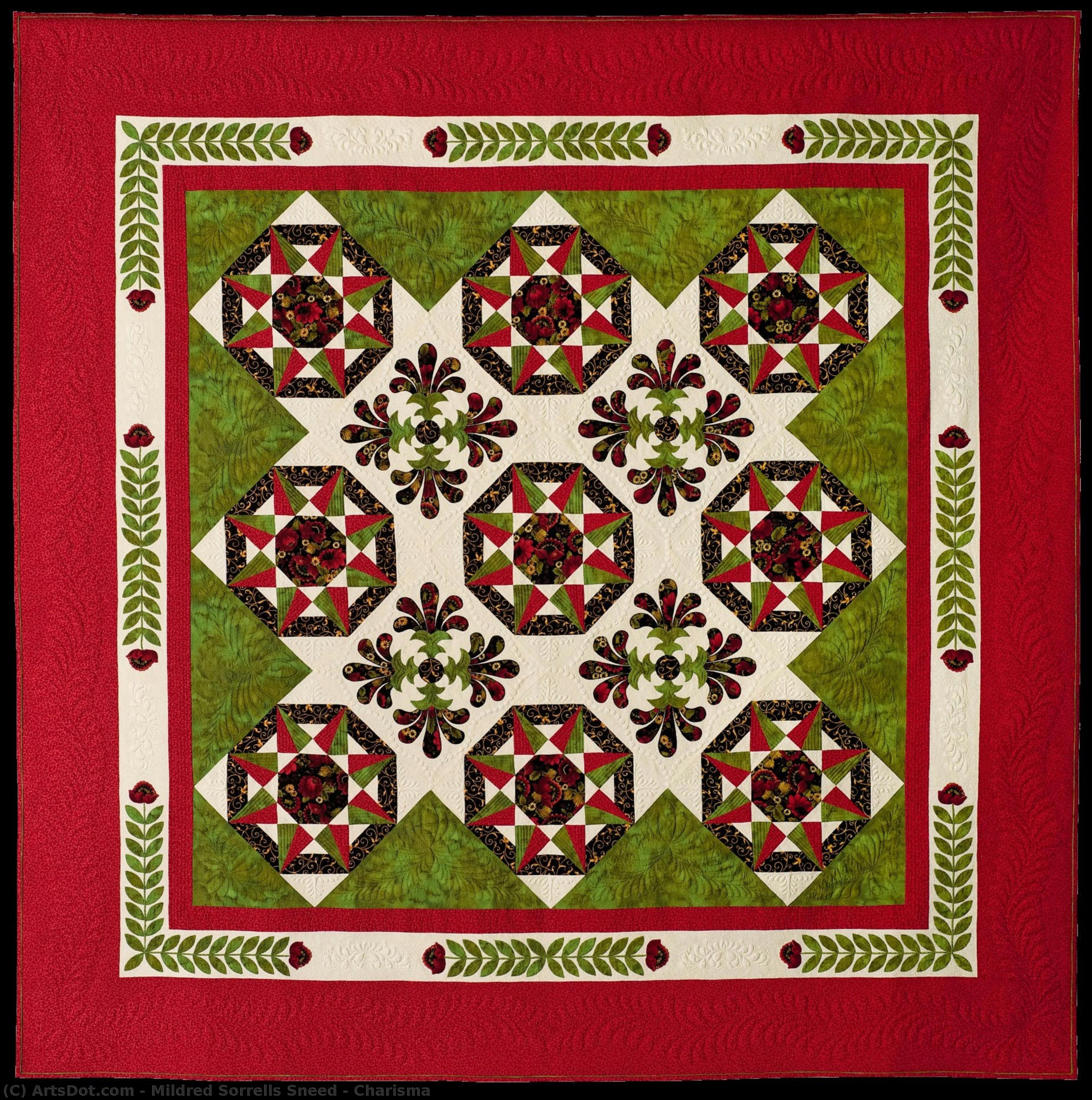
Charisma - Charisma

Descoperă frumusețea simplă și autenticitatea în operele lui William Adames! Pictorul britanic a surprins esența vieții rurale și umanității cu detalii minuțioase și emoție profundă – o adevărată comoară pentru iubitorii de artă.

Discover Mildred Sorrells Sneed's exquisite handmade quilts – ‘Charisma’ & ‘Golden Glow’. Celebrating American quilting artistry since 1746, explore her legacy at WahooArt.com!

Reproducere manuală în ulei

Pictură în ulei pe pânză, pictată manual, la dimensiunea și ramele dorite de dumneavoastră, realizată la comandă de artiștii noștri.

P118B $10
P118H $10
P118W $10
P438Z $10
P508JH $12
P508YH $12
P805H $10
P805Z $10
P919BZ $10
P919G $10
P919XJ $10
P959ZH $10
P968JZ $12
W106C $8
W218G $10
W218JH $8
W218Y $10
W307PJ $10
W316G $10
W316PJ $8
W316Y $10
W398PJ $8
W4111J $10
W500HY $15
W500JH $15
W692G $12
W849H $8
W940BG $15
W953PJ $8

Standard
custom
CM
INCH

Alegeți dintre dimensiunile noastre prestabilite, care respectă proporțiile originale ale operei de artă.

lățime
înălțime

Puteți introduce propriile dimensiuni pentru a se potrivi unui anumit cadru sau spațiu. Dacă dimensiunea selectată nu corespunde proporțiilor imaginii originale, vom decupa opera de artă sau vom extinde pictura cu elemente suplimentare pictate manual. O simulare digitală vă va fi trimisă pentru aprobare înainte de începerea producției.
Vă rugăm să rețineți că previzualizarea de pe ecran nu reflectă decuparea sau extinderea reală. Doar macheta va arăta cu exactitate compoziția finală.
Deși sunt disponibile dimensiuni personalizate, vă recomandăm să selectați o dimensiune din lista predefinită pentru a păstra proporțiile originale.

Exemple de elemente ce pot fi modificate: Înlocuiți fața cu fotografia clientului; Adăugați un animal de companie (de exemplu, înlocuiți pisica cu un câine); Includeți un mesaj ascuns în fundal; Schimbați peisajul sau elementele din fundal.
După plasarea comenzii, echipa WahooArt.com va trimite clientului instrucțiuni prin e-mail și îi va furniza o previzualizare a machetei

Livrare în întreaga lume () în 3/4 săptămâni, în loc de cele 5 săptămâni standard. (2 Iulie). Fără compromisuri în ceea ce privește calitatea.

why_choose_icon
Livrare expres gratuită la nivel mondial
why_choose_icon
Pânză de in de înaltă calitate
why_choose_icon
Asigurare completă pentru transport
why_choose_icon
Garanție de rambursare a taxelor vamale
why_choose_icon
Garanția fidelității culorilor
why_choose_icon
Politica de retur de 60 de zile (doar pentru defecte)
why_choose_icon
Garanție 100% de rambursare
why_choose_icon
Reducere la comenzi multiple

Preț total

-

reproduction

Charisma - Charisma

Tehnică de reproducere

Dimensiune reproducere

-

Preț total calculat

-

Informații rapide

  • Influences: Romantic Era
  • Subject or theme: Domestic Textile Design
  • Title: Charisma
  • Artistic style: Detailed Decorative Art
  • Medium: Quilt
  • Notable elements or techniques: Circles, Diamonds, Atmospheric Perspective
  • Location: Private Collection

Test de cunoștințe despre artă

Fiecare întrebare are un singur răspuns corect.

Întrebare 1:
What is the primary artistic style associated with Mildred Sorrells Sneed?
Întrebare 2:
The quilt’s design prominently features geometric shapes like circles and diamonds. What is the significance of this stylistic choice?
Întrebare 3:
Who championed William Adames’s work and recognized his ability to convey emotion through everyday subjects?
Întrebare 4:
What technique did William Adames employ to create a sense of depth and distance in his landscapes?
Întrebare 5:
The quilt’s color palette includes red, green, white, and black. How does this color scheme contribute to the overall mood or impression conveyed by the artwork?

Descriere operă de artă

Charisma – Mildred Sorrells Sneed

Mildred Sorrells Sneed’s “Charisma” isn't merely a quilt; it’s a testament to American quilting artistry spanning over 1746 years, a tangible embodiment of tradition and meticulous craftsmanship. Created in 2010, this artwork immediately captivates with its bold color palette – primarily crimson against a serene emerald green backdrop—a harmonious juxtaposition that speaks volumes about the artist's sensibility. The intricate design incorporates diamonds and circles, skillfully interwoven to produce an aesthetically stimulating visual experience. These geometric forms aren’t simply decorative; they represent foundational principles of quilting technique and convey a sense of balance and order amidst apparent complexity.
  • Style: Folk Art – Characterized by its simplicity, directness, and reliance on traditional motifs.
  • Technique: Hand Piecing – Each diamond and circle is painstakingly sewn together by hand, demonstrating remarkable patience and skill. The artist’s meticulous attention to detail ensures that every stitch contributes to the overall beauty of the piece.
The quilt's historical context resides firmly within the rich tapestry of American quilting heritage. Quilts have served as vital forms of communication and comfort throughout history, often conveying messages of resilience, faith, and familial connection. “Charisma” echoes these sentiments through its vibrant colors and carefully considered composition—a visual declaration of strength and beauty born from humble origins. The artist’s choice to depict this commonplace object elevates it to the realm of art, prompting contemplation on themes of heritage and enduring artistry. Symbolism:
  • Red: Represents passion, courage, and vitality – qualities often associated with resilience and perseverance.
  • Green: Symbolizes growth, renewal, and harmony—reflecting the artist’s appreciation for nature and its restorative power.
“Charisma” transcends mere decoration; it evokes a profound emotional response. The quilt's tactile quality invites viewers to imagine warmth, comfort, and connection – sensations rooted in the traditions of generations past. It serves as an inspiring reminder that beauty can flourish even within simplicity, demonstrating the enduring power of handcrafted artistry to convey emotion and celebrate cultural heritage. Its visual impact is undeniable—a captivating blend of color, form, and technique that speaks directly to the soul. Explore More:

Biografie artist

The Echoes of the Everyday: Exploring the Work of William Adames

William Adames (1803-1835), a name perhaps less heralded than his contemporaries in the Romantic era, nevertheless carved out a unique and profoundly affecting space within British art. Born in Wotton under Edgehill, Gloucestershire, into a family of modest means, Adames’s early life instilled in him a deep appreciation for the beauty found in the commonplace – a sensibility that would become the cornerstone of his artistic vision. His father, a carpenter, fostered an understanding of form and structure, while his mother's love of embroidery subtly influenced his meticulous attention to detail. Unlike many artists of his time who sought grand historical or mythological subjects, Adames chose to depict scenes from rural life, portraits of ordinary people, and still lifes imbued with a quiet dignity. This deliberate focus on the everyday was not born of indifference but rather a conscious rejection of prevailing artistic conventions, a desire to elevate the humble and reveal the inherent poetry within it. Adames’s artistic journey began modestly, apprenticed to a local painter in Bristol. He honed his skills diligently, mastering techniques of watercolor and gouache, mediums perfectly suited to capturing the subtle nuances of light and texture he so keenly observed. Early works showcased landscapes of Gloucestershire, rendered with remarkable precision and an almost photographic quality – a testament to his meticulous observation. However, it was his portraits that truly distinguished him. He eschewed the formal poses and idealized features favored by many portrait painters, instead presenting subjects in relaxed, natural settings, capturing their personalities with startling honesty. His portraits weren’t about grandeur; they were about revealing the soul of the sitter – a farmer contemplating his field, a young woman mending her clothes, an elderly gentleman reading a book. These images offered a rare glimpse into the lives of ordinary people, imbuing them with dignity and respect. A pivotal moment in Adames’s career arrived through his association with John Ruskin, the influential art critic and theorist. Ruskin, deeply impressed by Adames's ability to imbue everyday subjects with profound emotional resonance, championed his work and became a devoted patron. Ruskin recognized in Adames’s paintings a reflection of his own philosophy – a belief that beauty could be found not only in grand narratives but also in the simple acts of daily life. Ruskin’s advocacy brought Adames considerable recognition, securing commissions and introducing him to a wider audience. He was particularly drawn to Adames's ability to capture the fleeting effects of light and atmosphere, often employing a technique he described as “atmospheric perspective,” creating a sense of depth and distance through subtle gradations of color and tone. This skill allowed him to transform ordinary scenes into evocative landscapes that resonated with viewers on an emotional level. Adames’s artistic development can be traced through a fascinating evolution in his subject matter. Initially focused on landscape, he gradually shifted towards portraiture, then increasingly explored still lifes – arrangements of fruit, flowers, and domestic objects. These still lifes weren't merely depictions of inanimate objects; they were carefully constructed compositions designed to evoke specific moods and emotions. The arrangement of a bowl of apples, for instance, might convey themes of abundance, decay, or the passage of time. His later works often incorporated symbolic elements – a single flower representing loss, a weathered tool symbolizing labor, a worn book suggesting wisdom. These subtle allusions added layers of meaning to his paintings, inviting viewers to contemplate their own experiences and interpretations. Despite achieving some recognition during his lifetime, William Adames’s legacy remained largely obscured for many years after his untimely death in 1835 at the age of thirty-two. His work was often overlooked in favor of more flamboyant Romantic artists. However, in recent decades, there has been a growing appreciation for Adames's unique vision and profound sensitivity. His paintings are now recognized as significant examples of British watercolor art, offering a poignant reminder that beauty can be found not only in the grand and spectacular but also in the quiet dignity of everyday life. His meticulous observation, coupled with his ability to infuse ordinary subjects with emotion and symbolism, ensures that William Adames’s work continues to resonate with viewers today, inviting us to pause and consider the poetry hidden within the seemingly mundane.
mildred sorrells sneed

mildred sorrells sneed

1835 , United States of America

Detalii rapide

  • Artistic Movement Or Style: World Goes Pop
  • Date Of Death: 1835
  • Notable Artworks:
    • Evelyne Axell
    • Joav BarEl
    • Thomas Bayrle
Explorați opere de artă organizate pe teme, stiluri și caracteristici.