PrevizualizarePrevizualizare Previzualizare ARPrevizualizare AR Comută pe Print Comută pe PrintComandă pictură lucrată manual Comandă pictură lucrată manual TrimiteTrimite
Detalii despre lucrareDetalii despre lucrare Adaugă la favorite Adaugă la favorite DescarcăDescarcă Produse similareProduse similare RadiografieRadiografie Diapozitive automateDiapozitive automate StatisticiStatistici

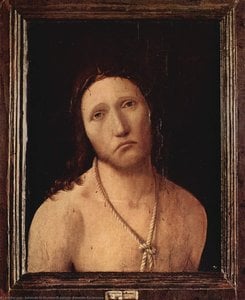
Sfântul Bartolomeu

O capodopera renascentista de Matteo di Giovanni, Sfântul Bartolomeu surprinde puterea simbolurilor religioase și eleganța unei reprezentări anatomice precise în ulei pe lemn.

Explore the art of Matteo di Giovanni (1435-1495), a leading Sienese Renaissance painter! Discover his blend of local tradition & Florentine influence in Madonna, Massacre of Innocents & more. #RenaissanceArt #SieneseSchool

Achiziționați o imagine digitală de înaltă rezoluție, îmbunătățită, mult superioară previzualizării online.

Fiecare fișier este pregătit cu meticulozitate de specialiștii noștri interni, utilizând instrumente avansate și retușare manuală expertă. Ne asigurăm că fiecare imagine beneficiază de o claritate excepțională, o acuratețe precisă a culorilor și detalii fine.

Fișierul final este livrat prin e-mail în termen de 72 de ore, optimizat pentru utilizare imediată în medii profesionale, editoriale și de imprimare. Aceasta este aceeași calitate în care au încredere studiouri de design, edituri și galerii de top.

Imagine Digitală

Descărcați un fișier la rezoluție înaltă pentru afișare personală, imprimare și proiecte creative. (Comută pe Print Comută pe PrintComandă pictură lucrată manual Comandă pictură lucrată manual)

Preț total

$ 24,90

Inclus în fiecare comandă de imagini digitale

Livrare digitală de expertiză, garantată

Când alegeți WahooArt.com, nu primiți doar o simplă imagine – primiți o operă de artă digitală îmbunătățită profesional, creată cu precizie și susținută de o garanție de satisfacție. Iată tot ceea ce primești odată cu comanda ta, în mod automat:

shipping_icon
Livrare rapidă prin e-mail

Fișierul imaginii digitale la rezoluție înaltă vă va fi trimis prin e-mail în termen de 72 de ore de la finalizarea comenzii – gata pentru utilizare imediată.

canvas_icon
Fișier digital optimizat prin IA

Opera ta de artă este optimizată profesional prin intermediul unor instrumente AI avansate și al editării manuale, asigurând un nivel maxim de detalii, claritate și acuratețe a culorilor.

insurance_icon
Retransmitere gratuită pe viață

Ai șters sau ai pierdut din greșeală fișierul? Nu îți face griji – ți-l vom retrimite oricând, gratuit.

tax_icon
Fără taxe de import – Întotdeauna

Bucură-te instant de noua ta operă de artă, fără taxe vamale, taxe de import sau costuri de livrare – descărcările digitale sunt întotdeauna fără taxe.

color_icon
Garanția acurateții culorilor

Asigurăm o reflectare cât mai fidelă a culorilor originale în imaginea ta digitală, prin utilizarea unor instrumente profesionale și a proceselor de gestionare a culorii.

return_icon
Garanție de satisfacție de 100 de zile

Dacă nu sunteți mulțumit de imaginea digitală achiziționată, o vom revizui sau vă vom returna 100% în termen de 100 de zile - fără nicio întrebare.

guarantee_icon
Garanție de returnare 100% a banilor

Nu ești mulțumit? Primești rambursarea integrală în termen de 100 de zile de la primirea fișierului digital – fără nicio întrebare.

discount_icon
Reduceri pentru comenzi în volum

Cumpără 3 imagini, economisește 10% - Cumpără 5, economisește 15% - Cumpără 10+, economisește 20%. Ideal pentru proiecte creative, galerii și agenții.

Informații rapide

  • Dimensions: 90 x 56 cm
  • Medium: Oil on Panel
  • Notable elements or techniques: Detailed drapery, Red hue
  • Influences: Antonio Pollaiolo
  • Artistic style: Smooth skin tones
  • Location: Museum of Fine Arts Budapest
  • Year: 1485

Saint Bartholomew – A Tuscan Renaissance Masterpiece

Matteo di Giovanni’s “Saint Bartholomew,” painted around 1485 in Siena, stands as a testament to the burgeoning artistic fervor of the Florentine Renaissance and its influence on Tuscan painting. This vertical panel depicts Saint Bartholomew, one of Jesus Christ's twelve apostles, rendered with remarkable precision and imbued with profound symbolic meaning.

  • Subject Matter & Iconography: The painting’s central figure embodies Christian martyrdom—Bartholomew endured excruciating torture before being flayed alive for refusing to worship pagan idols. This gruesome episode served as a powerful visual metaphor for the soul's confrontation with mortality and sin, reflecting the theological preoccupations of the era.
  • Style & Technique: Giovanni’s style aligns closely with Sassetta’s and Pollaiolo’s innovations—characterized by anatomical accuracy, subtle drapery folds, and a restrained palette dominated by crimson hues. The artist skillfully employed oil paint on panel, layering glazes to achieve luminous skin tones and textural depth.
  • Historical Context: Siena during Giovanni's time was experiencing a resurgence of civic pride fueled by papal patronage—particularly under Alfonso II of Naples who commissioned the artwork as a memorial to the victims of Ottoman siege. This commission underscores the importance of religious iconography in shaping artistic expression and conveying moral values.
  • Symbolism: The prominent depiction of Bartholomew’s flayed skin – draped elegantly around his torso – transcends mere anatomical detail; it symbolizes the stripping away of earthly imperfections and represents the soul's sacrifice for divine grace. Coupled with the halo signifying saintly holiness, the image encapsulates the core tenets of Christian faith.
  • Emotional Impact: Giovanni’s masterful composition compels contemplation—drawing viewers into a moment of solemn reflection on themes of suffering, redemption, and spiritual fortitude. The painting's understated grandeur speaks to the enduring power of art to evoke emotion and inspire reverence for religious ideals.

The artwork’s meticulous execution – precise lines defining musculature and drapery folds—demonstrates Giovanni’s commitment to humanist principles championed by Florentine artists. The muted palette contributes to an atmosphere of solemn contemplation, inviting viewers to engage with the profound symbolism embedded within its visual narrative.

Detailed Analysis: Composition & Color Palette

Giovanni's compositional strategy prioritizes clarity and balance—centering Bartholomew’s figure against a dark background that enhances the luminosity of his flesh tones. The shallow depth of field reinforces the image’s focus on the saint himself, creating an immersive experience for the observer.

  • Color Harmony: Dominant crimson hues – reflecting sacrificial fervor—are skillfully juxtaposed with darker shades to sculpt form and convey emotional intensity. Giovanni's masterful use of glazing techniques achieves subtle tonal variations that imbue the painting with a palpable sense of realism.

The artist’s meticulous attention to detail extends beyond anatomical accuracy; it encompasses the rendering of drapery folds—executed with painstaking precision—that contribute to the overall textural richness of the panel. Giovanni's stylistic choices reflect the humanist spirit of Renaissance Florence and underscore his dedication to capturing the essence of human form.

Provenance & Artistic Influences

Originally attributed to Antonio Pollaiolo, “Saint Bartholomew” underwent scholarly reassessment—revealing Giovanni’s independent artistic vision and highlighting his engagement with Sassetta's stylistic innovations. Documentation concerning Giovanni’s formative years remains sparse—leaving historians to speculate about his apprenticeship under sculptor Lorenzo di Pietro Vecchietta.

  • Legacy: Giovanni’s work stands as a cornerstone of Sienese Renaissance art—establishing him as one of the foremost painters of his time and securing his place within the broader artistic canon of Europe. His enduring influence can be discerned in subsequent generations of Tuscan artists who embraced humanist principles and sought to emulate Giovanni's stylistic achievements.

The painting’s acquisition from the Florentine art market in 1894 marks a pivotal moment in its history—establishing it as a prized possession within the Museo Nazionale di San Matteo’s collection. Its meticulous preservation ensures that future generations may appreciate Giovanni's artistic genius and contemplate the profound spiritual resonance of this timeless masterpiece.


Biografie artist

The Sienese Master: The Life and Legacy of Matteo di Giovanni

In the heart of the Italian Renaissance, amidst the winding streets of Siena, the brushstrokes of Matteo di Giovanni helped define an era of profound spiritual and aesthetic transformation. Born around 1435 in Borgo San Sepolcro, Matteo’s journey was one of migration and metamorphosis. Though his origins lay elsewhere, his soul became inextricably linked to the Sienese school, a movement characterized by its lyrical grace, rich ornamentation, and deep devotion. His life was marked not only by artistic pursuit but by a remarkable personal stability; through two marriages to women of significant wealth, Matteo secured the financial freedom necessary to acquire real estate and establish a lasting presence in the San Salvatore neighborhood of Siena.

The early years of Matteo’s career remain shrouded in the soft mists of history, yet the traces of his development are etched into the very fabric of his canvases. While no formal apprenticeship is recorded, scholars often look toward the workshop of the renowned sculptor and painter Vecchietta as a potential cradle for his talent. His style emerged as a sophisticated tapestry woven from various threads of influence: the delicate precision of the miniaturist Girolamo da Cremona, the robust Florentine energy of Antonio del Pollaiolo, and the established Sienese traditions set by masters such as Sassetta and Domenico di Bartolo. This unique synthesis allowed him to bridge the gap between the decorative elegance of the late Gothic period and the burgeoning humanism of the Renaissance.

A Career Forged in Gold and Devotion

Matteo’s early professional life was defined by the collaborative spirit of the 15th-century workshop. In 1452, he entered into a significant partnership with Giovanni di Pietro, a period during which they shared living quarters and worked side-by-side on monumental tasks. One of the most illuminating glimpses into his early technical skill comes from 1453, when records show Matteo coloring and gilding a sculpture of the Archangel Gabriel by the celebrated Jacopo della Quercia. This task—applying precious gold leaf to sacred forms—demonstrates his mastery over the luminous, tactile surfaces that would become a hallmark of his later altarpieces.

His growing reputation led him to contribute to the most sacred spaces in Siena. His hands helped embellish the organ shutters within the Siena Cathedral and played a vital role in the decoration of the San Bernardino Chapel. These commissions were more than mere jobs; they were spiritual contributions to the city's liturgical life. As his skill matured, Matteo’s work began to exhibit a more complex narrative depth, moving beyond simple iconography toward a more dramatic and emotionally resonant style that captured the attention of the most prestigious patrons in Tuscany.

The Pinnacle of Achievement and Historical Significance

The true measure of Matteo di Giovanni’s stature is found in his selection for the urban renewal projects of Pienza. As one of only four Sienese painters chosen to furnish altarpieces for the newly erected chapels of the Pienza Cathedral, he stood at the forefront of the era's most ambitious architectural and artistic endeavors. His contributions to this project, particularly the three altarpieces dating from 1460-62, serve as a definitive window into his evolving technique, showcasing a mastery of light, form, and sacred storytelling.

Matteo’s legacy is defined by several key artistic pillars:

  • Synthesis of Styles: His ability to blend the local Sienese tradition with the emerging anatomical realism of Florence.
  • Technical Brilliance: A profound command over gilding and color, creating works that shimmered with divine light.
  • Narrative Power: The capacity to transform religious scenes, such as the Massacre of the Innocents or various Madonna and Child compositions, into gripping human dramas.
  • Civic Impact: His role in shaping the visual identity of Siena and Pienza through monumental ecclesiastical commissions.

Though he passed away in 1495, the echoes of Matteo di Giovanni’s artistry continue to resonate. He remains a pivotal figure who navigated the transition from the medieval mindset to the Renaissance dawn, leaving behind a body of work that continues to inspire awe through its delicate beauty and enduring spiritual strength.

matteo di giovanni

matteo di giovanni

1435 - 1495 , Italy

Detalii rapide

  • Artistic Movement Or Style: Sienese School, Renaissance
  • Artists Who Influenced This Artist:
    • Sassetta
    • Domenico di Bartolo
    • Antonio del Pollaiolo
  • Date Of Birth: 1435
  • Date Of Death: 1495
  • Full Name: Matteo di Giovanni
  • Nationality: Italian
  • Notable Artworks:
    • Madonna and Child
    • Massacre of the Innocents
  • Place Of Birth: Borgo San Sepolcro, Italy