Vezi în context Previzualizare AR Comută pe versiunea Print Treci la imagine digitală Trimite
Detalii Ghidul Adaugă la favorite Descarcă Produse similare Radiografie Diaporama Statistici

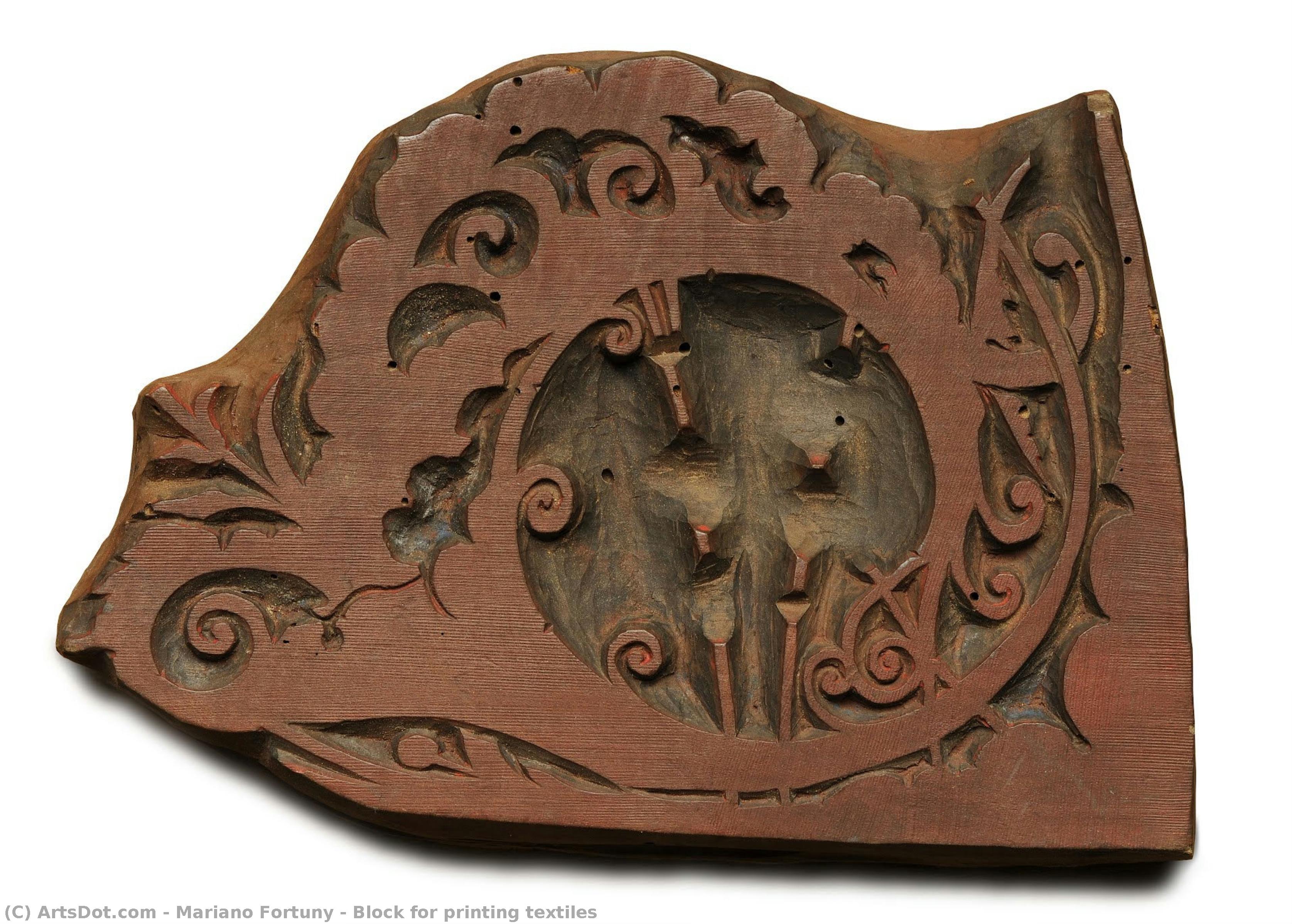
Block for printing textiles

Admire Mariano Fortuny’s ‘Block for Printing Textiles’ – a stunning 1905 wooden block showcasing intricate carvings & design. Hand-painted reproduction available.

Mariano Fortuny (1871-1949) a fost un designer spaniol de modă și artist renumit pentru textile inovatoare, rochiile Delphos și designurile de iluminat teatral. Explorează influențele orientale, invențiile sale revoluționare și moștenirea sa în istoria artei.

Reproducere pictată manual în ulei

Pictură în ulei pe pânză, realizată manual de artiștii noștri la dimensiunea și ramele dorite de dumneavoastră, pe comandă. ( Comută pe versiunea Print Treci la imagine digitală)

P118B $10
P118H $10
P118W $10
P438Z $10
P508JH $12
P508YH $12
P805H $10
P805Z $10
P919BZ $10
P919G $10
P919XJ $10
P959ZH $10
P968JZ $12
W106C $8
W218G $10
W218JH $8
W218Y $10
W307PJ $10
W316G $10
W316PJ $8
W316Y $10
W398PJ $8
W4111J $10
W500HY $15
W500JH $15
W692G $12
W849H $8
W940BG $15
W953PJ $8

Dimensiuni standard
personalizat
CM
INCH

Alegeți dintre dimensiunile noastre prestabilite, care respectă proporțiile originale ale operei de artă.

lățime
înălțime

Puteți introduce propriile dimensiuni pentru a se potrivi unui anumit cadru sau spațiu. Dacă dimensiunea selectată nu corespunde proporțiilor imaginii originale, vom decupa opera de artă sau vom extinde pictura cu elemente suplimentare pictate manual. O simulare digitală vă va fi trimisă pentru aprobare înainte de începerea producției.
Vă rugăm să rețineți că previzualizarea de pe ecran nu reflectă decuparea sau extinderea reală. Doar macheta va arăta cu exactitate compoziția finală.
Deși sunt disponibile dimensiuni personalizate, vă recomandăm să selectați o dimensiune din lista predefinită pentru a păstra proporțiile originale.

Exemple de elemente ce pot fi personalizate: Înlocuiți fața cu fotografia clientului; Adăugați un animal de companie (de exemplu, înlocuiți pisica cu un câine); Includeți un mesaj ascuns în fundal; Schimbați peisajul sau elementele din fundal.
După plasarea comenzii, echipa WahooArt.com va contacta clientul prin e-mail pentru instrucțiuni și îi va furniza o previzualizare a machetei

Livrare în întreaga lume () în 3-4 săptămâni, în loc de cele 5 săptămâni standard. (25 Septembrie). Fără compromisuri în ceea ce privește calitatea.

why_choose_icon
Livrare expres gratuită la nivel mondial
why_choose_icon
Pânză de in premium
why_choose_icon
Asigurare completă pentru transport
why_choose_icon
Garanție de rambursare a taxelor vamale
why_choose_icon
Garanția fidelității culorilor
why_choose_icon
Politica de retur în 100 de zile (doar pentru defecte)
why_choose_icon
Garanție de rambursare 100%
why_choose_icon
Reducere pentru comenzi multiple

Preț total

$ 272

reproduction

Block for printing textiles

Tip de reproducere

Dimensiune reproducere

-

Preț total

$ 272

Detalii rapide

  • Title: Block for printing textiles
  • Subject or theme: Textile art reproduction
  • Medium: Woodblock print
  • Year: 1905
  • Location: WahooArt.com
  • Artist: Mariano Fortuny

Chestionar de artă

Fiecare întrebare are un singur răspuns corect.

Întrebare 1:
What is the primary subject depicted in Mariano Fortuny’s ‘Block for printing textiles’?
Întrebare 2:
In what year was Mariano Fortuny’s ‘Block for printing textiles’ created?
Întrebare 3:
The carving on the wooden block features what type of design?
Întrebare 4:
Mariano Fortuny was primarily known for his work in which field?
Întrebare 5:
The image shows a close-up of a wooden block. What does this suggest about the artwork's creation process?

A Whisper of Geometry: Unveiling Mariano Fortuny’s ‘Block for Printing Textiles’

Mariano Fortuny y Madrazo, a name synonymous with the opulent elegance of 19th-century Spain and beyond, wasn't merely a painter; he was a revolutionary designer, a master craftsman, and an inventor who fundamentally reshaped the world of theatrical lighting and textile production. His ‘Block for Printing Textiles’ (1905), now meticulously reproduced by WahooArt.com, offers a rare glimpse into this multifaceted genius – a tangible embodiment of his fascination with geometry, Celtic motifs, and the interplay of light and shadow. This isn't simply a decorative block; it’s a concentrated distillation of Fortuny’s artistic vision, a testament to his meticulous hand, and a window into a period of intense experimentation and innovation.

Block for Printing Textiles by Mariano Fortuny

The Language of Form: Geometry and Celtic Echoes

At first glance, the block’s surface appears deceptively simple – a dense arrangement of swirling lines and geometric shapes rendered in shades of reddish-brown. However, closer inspection reveals a complex tapestry of interlocking patterns, echoing the intricate designs found in Celtic knotwork. Fortuny was deeply influenced by Orientalist art, particularly the decorative motifs of Morocco, but he also possessed a profound appreciation for ancient European traditions, evident in this subtle homage to the Celtic aesthetic. The precise execution suggests a deliberate attempt to capture not just visual form, but also the inherent dynamism and interconnectedness of these patterns – a concept central to Fortuny’s broader artistic philosophy.

A Legacy Forged in Light: Technique and Innovation

The creation of this block represents a pivotal moment in Fortuny's career. He was actively experimenting with new techniques for creating theatrical lighting, particularly his ‘cyclorama dome,’ a revolutionary device that utilized reflected light to create seamless transitions between scenes in grand opera houses. This block is believed to be a prototype or working model for these larger-scale installations – a miniature representation of the complex systems he devised to manipulate and control light. The meticulous carving demonstrates an extraordinary level of skill, requiring not only artistic vision but also a deep understanding of materials and their properties. Fortuny’s inventive spirit extended beyond lighting; his patents reveal a relentless pursuit of innovation in various fields, including textiles, ceramics, and even furniture design.

Beyond Decoration: Symbolism and the Fortuny Aesthetic

While undeniably beautiful, ‘Block for Printing Textiles’ transcends mere decorative function. It embodies Fortuny's broader aesthetic – one characterized by a harmonious blend of geometry, asymmetry, and a subtle sense of mystery. The swirling patterns evoke movement and dynamism, while the restrained color palette creates an atmosphere of sophisticated elegance. Fortuny sought to capture not just the appearance of reality but also its underlying essence—a pursuit reflected in his meticulous attention to detail and his innovative use of light and shadow. This block is a tangible manifestation of that quest – a miniature world brimming with artistic intention.

Collecting a Masterpiece: Reproduction and Preservation

WahooArt.com offers high-quality, hand-painted reproductions of this extraordinary work by Mariano Fortuny. Each reproduction meticulously recreates the original block’s intricate details, capturing its unique texture and color palette. Choosing a reproduction allows you to bring this captivating piece into your home or office, celebrating Fortuny's legacy while preserving the integrity of his artistic vision. Explore our selection today and experience the enduring beauty of ‘Block for Printing Textiles.’


Biografie artist

Early Life and Inspiration

Mariano Fortuny y Marsal, a name synonymous with innovation and theatrical spectacle, was born in Reus, Catalonia, Spain, on May 11, 1871. His early life was marked by profound loss – his father, also a painter named Mariano Fortuny y Marsal, tragically died when the young boy was just three years old. This event profoundly shaped his trajectory, leading his family to relocate to Paris, France, where his mother fostered his burgeoning artistic talents and introduced him to the world of textiles and fabrics, elements that would later become integral to his groundbreaking work. From a remarkably young age, Fortuny demonstrated an extraordinary aptitude for various art forms: painting, photography, sculpting, architecture, etching, and even theatrical stage lighting – skills he honed with dedication and a keen eye for detail. The Parisian environment exposed him to the vibrant artistic currents of the time, further fueling his creative spirit.

Artistic Talents and Revolutionary Inventions

Fortuny’s artistic journey was characterized by relentless experimentation and a desire to push the boundaries of traditional art forms. He quickly established himself as a multi-faceted artist, seamlessly blending diverse disciplines into his creations. Beyond painting, he became a pioneer in theatrical design, driven by a fascination with light and illusion. His most significant invention, the “fortuny cyclorama dome,” revolutionized stage lighting. This ingenious structure, typically constructed from plaster or cloth, utilized indirect lighting to create seamless transitions between scenes, effectively eliminating visible seams and immersing audiences in a truly immersive experience. Fortuny’s treatise, "Eclairage Scenique" (1904), meticulously documented his revolutionary approach to reflecting light off various surfaces, demonstrating how manipulating color, intensity, and properties could dramatically alter the visual impact of a performance. He patented over twenty inventions between 1901 and 1934, solidifying his reputation as an innovator and technological visionary.

Notable Collaborations and Artistic Influences

Fortuny’s work gained considerable recognition in the 1920s, largely thanks to his collaborations with prominent figures who shared his artistic sensibilities. He worked closely with Richard Wagner, the renowned German composer, whose operas deeply inspired him, leading to evocative paintings capturing scenes from the dramatic narratives. His installation of a dome at La Scala opera house in Milan stands as a testament to his ingenuity – he not only adapted the structure for the theater’s vast space but also invented a sophisticated suction fan system to maintain its tautness and prevent sagging. These collaborations extended beyond music; Fortuny's designs were coveted by royalty, including Queen Marie Christine of Bourbon at the Parisian residence of the Duke of Riánsares. His legacy was further cemented through his influence on French novelist Marcel Proust, whose writings captured the enigmatic allure of Fortuny’s world and artistic vision.

Legacy and Enduring Influence

Mariano Fortuny passed away in Venice, Italy, on May 3, 1949, leaving behind a remarkable body of work that continues to captivate audiences today. His innovative approach to theatrical lighting, his pioneering use of textiles, and his distinctive artistic style have had a lasting impact on the world of art and design. The “Delphos gown,” perhaps his most iconic creation, became a symbol of modern elegance and freedom of movement, worn by celebrated figures such as Eleonora Duse, Isadora Duncan, and Ellen Terry. Fortuny’s work continues to inspire artists and designers across various disciplines, demonstrating the enduring power of creativity, innovation, and a profound appreciation for beauty. His story is a testament to a life dedicated to pushing artistic boundaries and transforming the way we experience art and performance.

Mariano Fortuny

Mariano Fortuny

1871 - 1949 , Spania

Informații rapide

  • Artistic Movement Or Style: Orientalism art
  • Artists Or Movements Influenced By This Artist: ['Marcel Proust']
  • Artists Who Influenced This Artist: ['Richard Wagner']
  • Date Of Birth: 11 iunie 1871
  • Date Of Death: 3 mai 1949
  • Full Name: Mariano Fortuny y Marsal
  • Nationality: Spaniol
  • Notable Artworks:
    • Teagown
    • Portrait Henriette
  • Place Of Birth: Granada, Spania
Explorați opere de artă organizate pe teme, stiluri și caracteristici.