PrevizualizarePrevizualizare Previzualizare ARPrevizualizare AR Comută pe Print Comută pe PrintComandă pictură lucrată manual Comandă pictură lucrată manual TrimiteTrimite
Detalii despre lucrareDetalii despre lucrare Adaugă la favorite Adaugă la favorite DescarcăDescarcă Produse similareProduse similare RadiografieRadiografie Diapozitive automateDiapozitive automate StatisticiStatistici

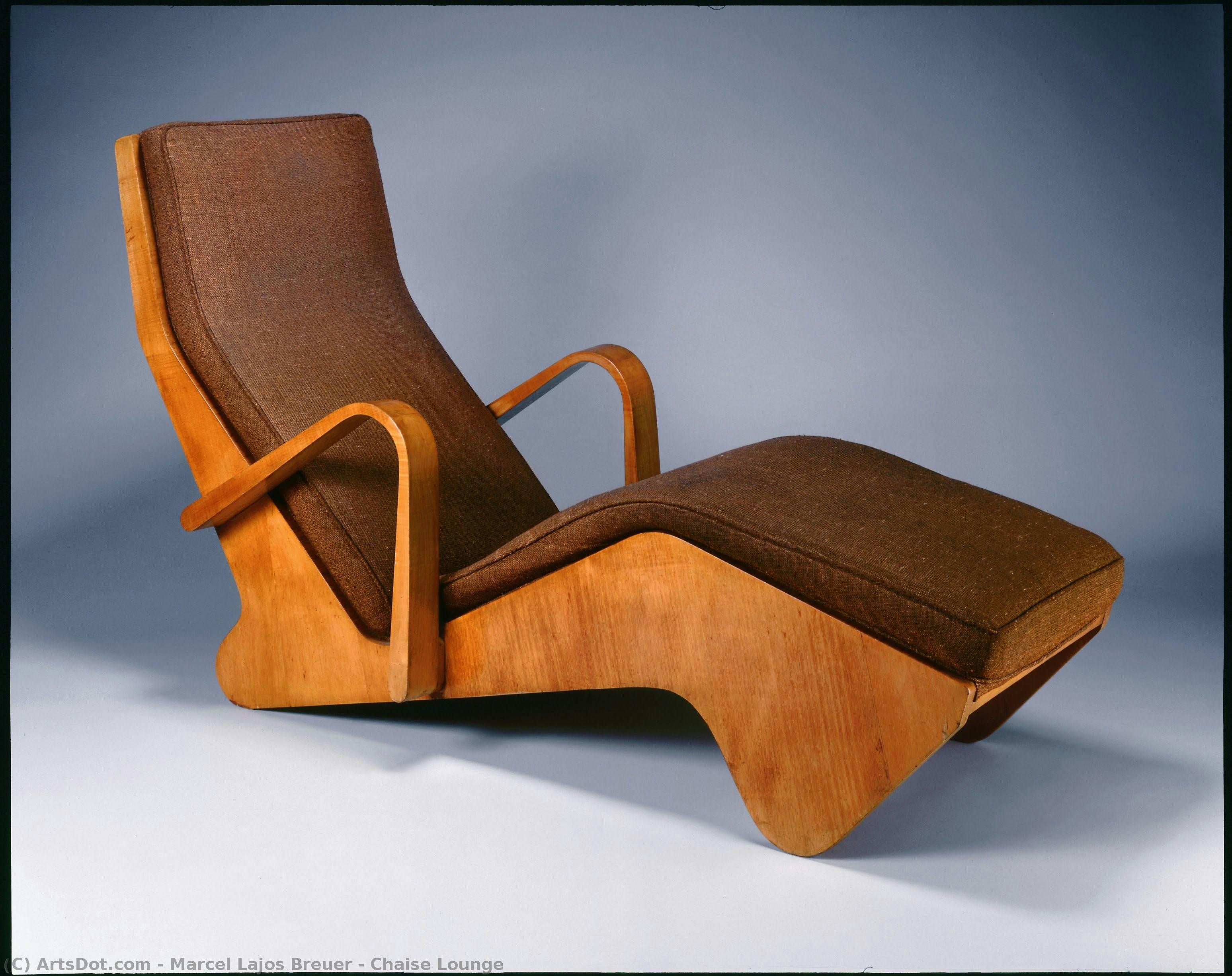
Chaise Lounge

Marvel at Marcel Breuer’s ‘Chaise Lounge,’ a pivotal mid-century modern design. Explore its organic lines & plywood innovation – a precursor to Wright's style.

Marcel Breuer (1902-1981) was a pioneering Hungarian-American modernist architect & furniture designer. Known for iconic tubular steel chairs like the Wassily, and Brutalist architecture, he defined 20th-century design with functionalism & sustainabi

Achiziționați o imagine digitală de înaltă rezoluție, îmbunătățită, mult superioară previzualizării online.

Fiecare fișier este pregătit cu meticulozitate de specialiștii noștri interni, utilizând instrumente avansate și retușare manuală expertă. Ne asigurăm că fiecare imagine beneficiază de o claritate excepțională, o acuratețe precisă a culorilor și detalii fine.

Fișierul final este livrat prin e-mail în termen de 72 de ore, optimizat pentru utilizare imediată în medii profesionale, editoriale și de imprimare. Aceasta este aceeași calitate în care au încredere studiouri de design, edituri și galerii de top.

Imagine Digitală

Descărcați un fișier la rezoluție înaltă pentru afișare personală, imprimare și proiecte creative. (Comută pe Print Comută pe PrintComandă pictură lucrată manual Comandă pictură lucrată manual)

Preț total

$ 24,90

Inclus în fiecare comandă de imagini digitale

Livrare digitală de expertiză, garantată

Când alegeți WahooArt.com, nu primiți doar o simplă imagine – primiți o operă de artă digitală îmbunătățită profesional, creată cu precizie și susținută de o garanție de satisfacție. Iată tot ceea ce primești odată cu comanda ta, în mod automat:

shipping_icon
Livrare rapidă prin e-mail

Fișierul imaginii digitale la rezoluție înaltă vă va fi trimis prin e-mail în termen de 72 de ore de la finalizarea comenzii – gata pentru utilizare imediată.

canvas_icon
Fișier digital optimizat prin IA

Opera ta de artă este optimizată profesional prin intermediul unor instrumente AI avansate și al editării manuale, asigurând un nivel maxim de detalii, claritate și acuratețe a culorilor.

insurance_icon
Retransmitere gratuită pe viață

Ai șters sau ai pierdut din greșeală fișierul? Nu îți face griji – ți-l vom retrimite oricând, gratuit.

tax_icon
Fără taxe de import – Întotdeauna

Bucură-te instant de noua ta operă de artă, fără taxe vamale, taxe de import sau costuri de livrare – descărcările digitale sunt întotdeauna fără taxe.

color_icon
Garanția acurateții culorilor

Asigurăm o reflectare cât mai fidelă a culorilor originale în imaginea ta digitală, prin utilizarea unor instrumente profesionale și a proceselor de gestionare a culorii.

return_icon
Garanție de satisfacție de 100 de zile

Dacă nu sunteți mulțumit de imaginea digitală achiziționată, o vom revizui sau vă vom returna 100% în termen de 100 de zile - fără nicio întrebare.

guarantee_icon
Garanție de returnare 100% a banilor

Nu ești mulțumit? Primești rambursarea integrală în termen de 100 de zile de la primirea fișierului digital – fără nicio întrebare.

discount_icon
Reduceri pentru comenzi în volum

Cumpără 3 imagini, economisește 10% - Cumpără 5, economisește 15% - Cumpără 10+, economisește 20%. Ideal pentru proiecte creative, galerii și agenții.

This chaise lounge is an important and highly significant piece designed by Marcel Breuer during his influential period in England (1935–1937). His work for the London-based design and architectural firm Isokon is the most recognizable of this period, with its bent plywood, free-form elements influenced by the designs of Swedish architect Alvar Aalto. But this chaise, designed for the 1936 Seven Architects Exhibition for Heal & Sons Department Store, proved to be more indicative and prototypical of Breuer’s later American work, which used plywood cutout forms. In this way Breuer continued his exploration of spatial form, moving from his earlier outlined forms to the more realized paneled shapes that would later influence the work of many American designers, most notably Frank Lloyd Wright.

Biografie artist

The Architect of Minimalism: The Life and Legacy of Marcel Breuer

In the grand tapestry of twentieth-century modernism, few threads are as structurally sound or aesthetically pure as those woven by Marcel Lajos Breuer. Born in 1902 amidst the cultural richness of Pécs, Hungary, Breuer emerged from a world on the precipice of radical change. His early years, steeped in the intellectual currents of the Austro-Hungarian Empire, provided the foundation for a career that would eventually redefine the very boundaries between furniture, sculpture, and habitable space. To understand Breuer is to understand the transition from the ornate traditions of the past to the streamlined, industrial efficiency of the future—a journey that took him from the workshops of the Bauhaus to the skyline of New York City.

The true crucible of his genius was undoubtedly the Bauhaus. Enrolling in 1924, Breuer entered an environment where the boundaries between art and industry were being intentionally dissolved. Under the influence of visionaries like Walter Gropius, he embraced a philosophy where form followed function with uncompromising precision. It was within the school's carpentry workshop that Breuer began to experiment with materials that would become his signature. His fascination with the structural possibilities of tubular steel—inspired perhaps by the curved handlebars of an Adler bicycle—led to the creation of the legendary Wassily Chair. This piece was not merely a seat; it was a manifesto in metal and fabric, stripping away the bulk of traditional upholstery to reveal a skeletal, geometric elegance that remains a cornerstone of modern design.

A Symphony of Steel and Stone

As his career progressed, Breuer’s vision expanded from the intimate scale of furniture to the monumental scale of architecture. His work became a dialogue between the lightness of industrial materials and the heavy, tactile presence of natural elements. In his architectural practice, he mastered the art of the cantilever, creating structures that seemed to defy gravity through daring projections and suspended volumes. This period saw him exploring the textures of wood, stone, and glass, blending them into a cohesive language that spoke of both permanence and transparency.

His architectural repertoire was remarkably diverse, ranging from private residences to massive institutional landmarks. Notable achievements include:

  • The Wassily and Cesca Chairs: Iconic furniture pieces that revolutionized the concept of lightweight, mass-producible design.
  • Brutalist Masterpieces: Buildings characterized by their raw, honest use of concrete, reflecting a sculptural approach to urban landscapes.
  • Residential Innovations: Projects like the Breuer House II in New Canaan, which utilized cantilevered designs and organic materials to harmonize with the surrounding landscape.
  • Institutional Impact: The design of museums, libraries, and research facilities, such as the former IBM Research facility, which integrated cutting-edge technology into structural form.

The Enduring Resonance of a Modernist Master

Breuer’s migration to the United States in 1937 marked a new chapter in his evolution, as he brought the avant-garde sensibilities of Europe to the burgeoning American landscape. He became a naturalized citizen, yet he remained a bridge between two worlds, infusing American architecture with the rigorous discipline of the Bauhaus while embracing the expansive possibilities of the New World. His ability to adapt—moving from the delicate precision of bentwood and steel to the rugged, expressive power of Brutalism—demonstrates a rare versatility that few of his contemporaries could match.

Today, the legacy of Marcel Breuer is felt every time we sit in a chair that prioritizes clarity over clutter or walk through a building that celebrates its own structural truth. He did not merely design objects and buildings; he designed a way of seeing the world—one where beauty is found in the essential, and where the strength of a structure lies in its honesty. His life remains a testament to the idea that true innovation does not require excess, but rather a profound understanding of the soul of the material.

marcel lajos breuer

marcel lajos breuer

1902 - 1981 , Hungary

Detalii rapide

  • Artistic Movement Or Style: Modernist Architecture & Furniture Design
  • Artists Or Movements Influenced By This Artist: ['Bauhaus']
  • Artists Who Influenced This Artist:
    • Walter Gropius
    • Ludwig Mies van der Rohe
  • Date Of Birth: May 21, 1902
  • Date Of Death: July 1, 1981
  • Full Name: Marcel Lajos Breuer
  • Nationality: Hungarian, American
  • Notable Artworks:
    • Wassily Chair
    • Villa Müller
    • Harnishmacher House
  • Place Of Birth: Pécs, Hungary