


 TemperaNaive Art / Primitivism
 Modern
 150.0 x 188.0 cm
Printuri giclée sau pe canvas de calitate muzeală, cu proces de producție rapid și opțiuni flexibile de finisare. ( Comandă pictură lucrată manual Cumpără imaginea)





























Alegeți dintre dimensiunile noastre prestabilite, care respectă proporțiile originale ale operei de artă.

Puteți introduce propriile dimensiuni pentru a se potrivi unui anumit cadru sau spațiu. Dacă dimensiunea selectată nu corespunde proporțiilor imaginii originale, vom decupa lucrarea de artă sau vom extinde imaginea cu margini oglindite sau cu o culoare uniformă. Un mockup digital va fi trimis pentru aprobarea dumneavoastră înainte de începerea producției.
Vă rugăm să rețineți că previzualizarea de pe ecran nu reflectă decuparea sau extinderea reală. Doar mockup-ul va arăta cu exactitate compoziția finală.
Deși dimensiunile personalizate sunt disponibile, vă recomandăm să selectați o dimensiune din lista predefinită pentru a păstra proporțiile originale.
Livrare în întreaga lume () în 2 săptămâni, în loc de cele 4/5 săptămâni standard. (6 Septembrie)


The descent from cross
Dimensiune reproducere
Marc Chagall’s “The Descent from Cross,” completed in 1976, stands as a testament to the artist's enduring fascination with biblical narratives and his unparalleled ability to translate dreams into vibrant visual language. Painted in Naïve Art style—a movement characterized by its rejection of academic conventions and embrace of childlike spontaneity—the canvas embodies Chagall’s signature aesthetic: fantastical figures interwoven with recognizable landscapes, bathed in luminous yellows and blues that evoke memories of Vitebsk, Belarus.
The painting depicts Mary cradling Jesus after his crucifixion. However, Chagall eschews traditional depictions of sorrowful piety; instead, he presents a scene brimming with movement and ethereal beauty. Figures float upwards towards the heavens, their bodies elongated and distorted in ways that defy anatomical realism—a deliberate stylistic choice intended to convey spiritual transcendence rather than literal representation.
Historically situated within the broader context of Jewish-Christian relations in Europe during the mid-20th century—particularly following Kristallnacht, the “Night of Broken Glass,” a pogrom that targeted synagogues and Jewish property—the painting reflects Chagall’s personal experiences as a survivor of persecution. Yet, despite its fraught historical backdrop, “The Descent from Cross” transcends political concerns to offer a universal meditation on faith, compassion, and the enduring power of hope.
Symbolism permeates every element of the composition. The upward-spiraling figures represent ascension into paradise, mirroring the biblical imagery of Christ’s resurrection. The luminous yellows dominate the palette—a color associated with divine light and joy—contrasting sharply with the darker hues that symbolize earthly suffering. Chagall's recurring motifs—flying horseshoes (representing Jewish protection), stylized landscapes reminiscent of Vitebsk—further enrich the painting’s symbolic tapestry.
Ultimately, “The Descent from Cross” resonates deeply with viewers through its evocative emotional impact. It captures a moment of profound vulnerability and tenderness amidst overwhelming darkness—a reminder that even in times of despair, beauty and spiritual solace can persist. Its luminous colors and fluid brushstrokes invite contemplation and inspire awe, cementing Chagall’s place as one of the most influential artists of his era.

1887 - 1985 , Білорусь
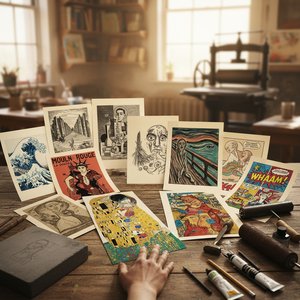
Descoperă Top 10 capodopere litografice legendare de la Picasso, Matisse și alți artiști faimoși! Explorează istoria artei moderne, tehnicile inovatoare și emoțiile puternice din fiecare lucrare. Reproduceri artă de calitate muzeală pe WahooArt.com.

Descoperă cele mai importante 10 capodopere ale Expresionismului German! Explorează poveștile din spatele picturilor Kandinsky, Munch și Kirchner. Reproduceri de artă premium pentru un decor unic pe WahooArt.com
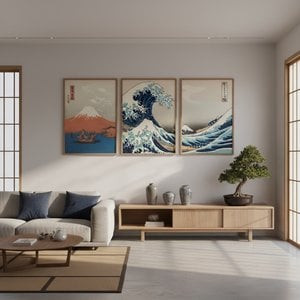
Descoperă cele mai frumoase 25 de opere de artă semnate de Katsushika Hokusai, maestru ukiyo-e. Explorează istoria valului Kanagawa și a picturilor japoneze iconice. Reproduceri de calitate muzeală pentru decorul casei tale pe WahooArt.com!

Descoperă cele mai iconice 25 de opere Pop Art ale lui Roy Lichtenstein! Explorează poveștile din spatele picturilor celebre, tehnicile inovatoare și impactul cultural. Reproduceri tablouri de calitate muzeală pe WahooArt.ro – inspiră-ți decorul cu arta modernă!
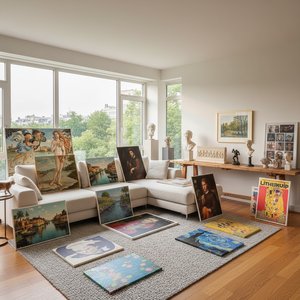
Descoperă top 25 de capodopere din Staatliche Museen Berlin! Explorează istoria artei, de la Nefertiti și picturi impresioniste la sculpturi clasice. Găsește inspirație pentru decorul tău și reproduceri de artă calitate superioară pe WahooArt.com.

 Previzualizare
 Trimite
 Distribuie
 Detalii despre lucrare

 Descarcă
 Produse similare
 Radiografie
 Diapozitive automate
 Vezi mai mult







 Opțiunea cu sticlă este disponibilă doar pentru dimensiuni de sub 110 cm


