CONSULTAȚIE GRATUITĂ ÎN ARTE VIZUALE

x
Comandă tipăritul Comandă tipăritulComandă reproducere pictată Comandă reproducere pictată TrimiteTrimite
DetaliiDetalii Adaugă la favorite Adaugă la favorite DescarcăDescarcă SimilareSimilare Raze XRaze X DiaporamaDiaporama

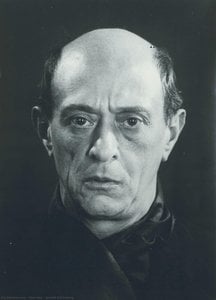
Self-Portrait

Explore Man Ray's iconic 'Self-Portrait,' a groundbreaking black & white photograph capturing the artist’s enigmatic gaze and pioneering spirit of early 20th-century art.

Man Ray (1890-1976): un pionier al Dadaismului și suprarealismului, renumit pentru rayografele sale, portrete provocatoare și filmări experimentale. Un artist revoluționar cu o viziune inconfundabilă.

Achiziționați o imagine digitală îmbunătățită și de înaltă rezoluție, mult superioară previzualizării online.

Fiecare fișier este pregătit cu meticulozitate de specialiștii noștri interni, utilizând instrumente avansate și retușare manuală expertă. Ne asigurăm că fiecare imagine beneficiază de o claritate excepțională, o acuratețe precisă a culorilor și detalii fine.

Fișierul final este livrat prin e-mail în termen de 72 de ore, optimizat pentru utilizare imediată în medii profesionale, editoriale și de imprimare. Aceasta este aceeași calitate în care au încredere studiouri de design, edituri și galerii de top.

Imagine Digitală

Descărcați un fișier la rezoluție înaltă pentru afișare personală, imprimare și proiecte creative.

Preț total

$9.99

Inclus în fiecare comandă de imagini digitale

Livrare digitală de expertiză, garantată

Când alegeți WahooArt.com, nu primiți doar o simplă imagine – primiți o operă de artă digitală îmbunătățită profesional, creată cu precizie și susținută de o garanție de satisfacție. Iată tot ceea ce primești odată cu comanda ta, în mod automat:

shipping_icon
Livrare rapidă prin e-mail

Fișierul imaginii digitale la rezoluție înaltă vă va fi trimis prin e-mail în termen de 72 de ore de la finalizarea comenzii – gata pentru utilizare imediată.

canvas_icon
Fișier digital optimizat prin IA

Opera ta de artă este optimizată profesional prin intermediul unor instrumente AI avansate și al editării manuale, asigurând un nivel maxim de detalii, claritate și acuratețe a culorilor.

insurance_icon
Retransmitere gratuită pe viață

Ai șters sau ai pierdut din greșeală fișierul? Nu îți face griji – ți-l vom retrimite oricând, gratuit.

tax_icon
Fără taxe de import – Întotdeauna

Bucură-te instant de opera ta de artă, fără taxe vamale, taxe de import sau costuri de livrare – descărcările digitale sunt întotdeauna fără taxe.

color_icon
Garanția acurateței culorilor

Asigurăm că imaginea ta digitală reflectă culorile originale cât mai fidel posibil, utilizând instrumente profesionale și procese de gestionare a culorii.

return_icon
Garanție de satisfacție de 60 de zile

Dacă nu sunteți mulțumit de imaginea digitală achiziționată, o vom revizui sau vă vom returna 100% în termen de 60 de zile – fără nicio explicație necesară.

guarantee_icon
Garanție de returnare 100% a banilor

Nu ești mulțumit? Obține o rambursare completă în termen de 60 de zile de la primirea fișierului tău digital – fără întrebări.

discount_icon
Reduceri pentru comenzi multiple

Cumpără 3 imagini, economisește 10% - Cumpără 5, economisește 15% - Cumpără 10+, economisește 20%. Ideal pentru proiecte creative, galerii și agenții.

Informații rapide

  • Title: Self-Portrait
  • Subject or theme: Self-Representation
  • Year: 1934
  • Movement: Surrealism, Dada
  • Artistic style: Photographic Portraiture
  • Artist: Man Ray
  • Notable elements: Rayograph technique

Test de cunoștințe despre artă

Fiecare întrebare are un singur răspuns corect.

Întrebare 1:
What artistic movement is Man Ray most closely associated with?
Întrebare 2:
The photograph 'Self-Portrait' prominently features Man Ray wearing what distinctive accessory?
Întrebare 3:
Which of the following best describes Man Ray's approach to photography during this period?
Întrebare 4:
The photograph 'Self-Portrait' was created in what decade?
Întrebare 5:
What does the term 'rayograph' refer to in the context of Man Ray’s photographic work?

Descrierea obiectului de colecție

A Shadowed Portrait: Unveiling Man Ray’s “Self-Portrait”

Man Ray's "Self-Portrait," painted in 1927, isn’t merely a depiction of an individual; it’s a carefully constructed meditation on identity, the gaze, and the very act of representation. Born Emmanuel Radnitzky in Philadelphia, Man Ray – a name he adopted to signify his artistic liberation – was a pivotal figure in the Dada and Surrealist movements, constantly challenging conventional notions of art and perception. This particular self-portrait, rendered in oil on canvas, embodies this restless spirit, presenting a subtly unsettling image that invites prolonged contemplation.

The painting’s style is rooted in early Modernism, yet it transcends simple categorization. Ray employs a flattened perspective, reminiscent of Cubist influences, but softens the edges with an almost dreamlike quality. The composition is strikingly direct – we confront the artist directly, his gaze meeting ours across the canvas. However, this apparent straightforwardness belies a complex layering of symbolism and technique. Notice the meticulous detail in the rendering of his face: the slight furrow of his brow, the subtle curve of his lips, the almost imperceptible glint in his eyes – each element contributes to an aura of quiet intensity.

The Alchemy of Photogram and Paint

Ray’s artistic practice was characterized by a remarkable versatility. While he is celebrated for his groundbreaking work in photography—particularly his photograms (rayographs)—“Self-Portrait” demonstrates his mastery of oil painting. He skillfully blends photographic techniques with traditional brushwork, creating an effect that feels both familiar and utterly unique. The use of muted tones – predominantly browns, grays, and blacks – contributes to the painting’s somber mood, while subtle highlights draw attention to key features of the face. The texture is rich and layered, achieved through multiple thin glazes of paint, a technique that adds depth and luminosity to the canvas.

Interestingly, Ray often referenced his photographic experiments in his paintings. The slightly blurred quality of the image, reminiscent of a photograph captured with a slow shutter speed, subtly echoes the ephemeral nature of memory and perception. This connection between photography and painting highlights Ray’s belief that both mediums could be used to explore similar themes – the subjective experience of reality.

A Symbol of Transformation and Self-Discovery

The “Self-Portrait” is more than just a likeness; it's a visual representation of Man Ray’s own evolving identity. Born into a Jewish immigrant family in Philadelphia, he deliberately shed his original name – Emmanuel Radnitzky – to create the persona of Man Ray, a symbol of artistic freedom and experimentation. The painting can be interpreted as a declaration of this transformation, a conscious effort to break free from traditional constraints and forge a new path.

Furthermore, the direct gaze of the subject challenges the viewer’s own role in the act of observation. Ray isn't simply presenting himself; he is inviting us to confront our own perceptions and consider how we see ourselves reflected in his image. The painting subtly suggests that identity is not a fixed entity but rather a fluid and ever-changing construct, shaped by experience and self-awareness.

A Timeless Reflection for the Modern Eye

“Self-Portrait” remains a powerfully resonant work of art, offering insights into the complexities of identity, perception, and artistic innovation. Its understated elegance, combined with its subtle symbolism, makes it a captivating piece for collectors and interior designers alike. Reproductions of this iconic painting capture the depth and nuance of Ray’s original vision, allowing viewers to appreciate its beauty and intellectual richness in their own homes. It's a testament to Man Ray's enduring legacy as one of the most influential artists of the 20th century – an artist who dared to challenge conventions and redefine the boundaries of art itself.


Biografie Artist

A Life Illuminated by Shadows

Emmanuel Radnitzky, a name that would eventually transform into Man Ray, was born in Philadelphia in 1890 to Russian-Jewish immigrant parents. His early life was steeped in the traditions of his family’s heritage and shaped by the bustling energy of New York City, where they relocated when he was young. From a tender age, he displayed an innate artistic sensibility, nurtured by his father's tailoring business – a world of fabrics, patterns, and meticulous craftsmanship that would subtly inform his later work. His mother, a skilled seamstress, instilled in him a love for creativity and experimentation, fostering a spirit of innovation that would become central to his artistic identity. This early exposure to both the practicalities of textile production and the imaginative possibilities of design laid the groundwork for his future explorations across various mediums. The Ferrer Centre, with its emphasis on free expression and radical ideas, proved particularly formative during this period. Surrounded by artists and intellectuals committed to challenging conventional norms, Ray developed a deep appreciation for avant-garde movements and embraced a philosophy that prioritized experimentation and artistic liberation. This environment fostered a sense of intellectual curiosity and encouraged him to break away from traditional constraints—a crucial step in his journey towards becoming a truly original artist. It was here he first encountered the work of European modernists, whose bold visions ignited his own desire to push the boundaries of art.

Dada, Surrealism, and the Pursuit of the Impossible

Man Ray’s artistic trajectory took a dramatic turn with his encounter with Marcel Duchamp in New York around 1915. This meeting sparked a shared fascination with challenging traditional notions of art, leading to explorations of “ready-mades”—ordinary manufactured objects elevated to the status of artwork. This rebellious spirit propelled Ray into the heart of the Dada movement, an anti-art protest born from the disillusionment of World War I. Dada artists sought to dismantle established artistic conventions and expose the absurdity of bourgeois society through provocative displays and conceptual challenges. Man Ray’s involvement in this movement was characterized by a willingness to embrace radical ideas and experiment with unconventional materials and techniques. He actively participated in organizing exhibitions, publishing manifestos, and engaging in debates about the future of art—all while maintaining a distinct artistic voice that blended Dada’s irreverence with his own unique sensibilities. His association with Duchamp proved particularly influential, shaping his approach to conceptual art and encouraging him to question the very definition of what constitutes “art.” Ray's exploration of ready-mades paved the way for later developments in Pop Art and Conceptualism, demonstrating his pioneering role in challenging traditional artistic hierarchies. This period marked a significant shift in his artistic practice—a move away from representational painting towards abstraction and experimentation with new forms of expression.

Rayographs and the Alchemy of Light

Perhaps Man Ray is most celebrated for his invention of the “rayograph,” a cameraless photographic technique he stumbled upon almost by accident. These images—created by placing objects directly onto light-sensitive paper and exposing them to light—resulted in ethereal, ghostly compositions that defied conventional photographic representation. The rayograph wasn't simply an alternative method; it was a philosophical statement about the nature of photography itself. By eliminating the camera lens, Ray stripped away the illusion of objectivity, revealing the inherent subjectivity of the medium. These weren’t representations *of* things, but rather direct imprints *from* them, imbued with a sense of mystery and otherworldliness. Beyond rayographs, his photographic portraits – particularly those of artists like Lee Miller (who would become both his muse and collaborator) – are renowned for their striking compositions and psychological depth. He experimented relentlessly with solarization, multiple exposures, and darkroom manipulation, pushing the boundaries of what photography could achieve. Solarization, in particular, became a signature technique, creating dramatic reversals of tone that added an element of the uncanny to his portraits.

Beyond Stillness: Film and a Lasting Legacy

Man Ray’s artistic curiosity extended beyond still images into the realm of filmmaking. His experimental films, such as *Le Retour à la Raison* (1923) and *L'Étoile de Mer* (1928), were characterized by their surreal imagery, unconventional editing techniques, and rejection of narrative conventions. These weren’t stories told in a traditional sense; they were visual poems, explorations of form, rhythm, and the subconscious. He often employed innovative techniques like stop-motion animation and superimposition to create disorienting and dreamlike effects. Though his film work remained relatively small in volume, it was profoundly influential on subsequent generations of avant-garde filmmakers. Throughout his long career, Man Ray continued to challenge artistic norms, refusing to be confined by labels or expectations. He died in Paris in 1976, leaving behind a body of work that continues to inspire and provoke. His legacy lies not only in his technical innovations but also in his unwavering commitment to artistic freedom and his relentless pursuit of the impossible—a true pioneer who forever altered our perception of art and reality. His influence can be seen across various disciplines, from contemporary photography and film to fashion and design, demonstrating the enduring power of his vision.

A Continuing Influence

  • Photography: Man Ray’s techniques, particularly rayography and solarization, continue to be explored by contemporary photographers.
  • Surrealism: His contributions solidified the movement's visual language and inspired countless artists across disciplines.
  • Experimental Film: His pioneering work in film laid the groundwork for future generations of avant-garde filmmakers.
  • Fashion Photography: Ray’s innovative approach to portraiture and composition influenced the development of modern fashion photography.
Man Ray

Man Ray

1890 - 1976 , Statele Unite ale Americii

Detalii rapide

  • Artistic Movement Or Style: Dada, Surrealism
  • Artists Or Movements Influenced By This Artist: ['Surrealism']
  • Artists Who Influenced This Artist: ['Marcel Duchamp']
  • Date Of Birth: 27 august 1890
  • Date Of Death: 18 noiembrie 1976
  • Full Name: Emmanuel Radnitzky
  • Nationality: American
  • Notable Artworks:
    • Rayographs
    • L'Étoile de Mer
  • Place Of Birth: Philadelphia, SUA