Un Dynamo Napoletan: Viața și Arta lui Luca Giordano
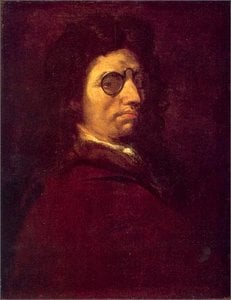
Luca Giordano, născut în Napoli în 1634, a devenit rapid sinonim cu spiritul exuberant al barocului târziu. Nu era doar un artist; era o forță a naturii, un vârtej de creativitate a cărui producție prolifică a transformat atât pânzele, cât și spațiile arhitecturale din Italia și Spania. Tatăl său, Antonio Giordano, a pus bazele inițiale ale pregătirii sale artistice, dar sub îndrumarea severă, dar magistrală, a lui Jusepe de Ribera, tânărul Luca a început cu adevărat să-și forgeze propria cale distinctivă. Acest prim ucenicie a lăsat o amprentă indelebilă, evidentă în intensitatea dramatică și în portretizarea realistă a figurilor caracteristice lucrărilor inițiale ale lui Giordano. Cu toate acestea, spre deosebire de paleta adesea sumbră a lui Ribera, Giordano poseda o înclinație naturală către luminozitate și mișcare – calități care aveau să definească în cele din urmă stilul său unic. Chiar și atunci, a câștigat porecla „Luca fa presto” – Luca cel rapid – o mărturie a vitezei sale remarcabile și a energiei aparent nelimitate. Nu era doar priceput; era capabil să surprindă emoții profunde și spectacole uluitoare cu o ușurință care îi uimea pe contemporani.
De la Napoli la Spania: O Carieră în Mișcare Constantă
Călătoria artistică a lui Giordano era departe de a fi statică. A fost o progresie dinamică alimentată de comenzi și călătorii, ducându-l pe toată peninsula italiană și nu numai. După ce s-a stabilit ca o stea în ascensiune la Napoli, a căutat oportunități la Roma, Florența și Veneția, absorbind influențele diverse ale fiecărui oraș ca un burete. La Veneția, a studiat operele lui Titian și Veronese, îmbrățișând paletele lor vibrante de culori și compozițiile dinamice – un contrast puternic cu tenebrismul din perioada sa inițială de ucenicie. Florența l-a văzut întreprinzând cicluri semnificative de fresce, în special în cupola Capelei Corsini de la Chiesa del Carmine, demonstrându-și stăpânirea tot mai mare a spațiului iluzoriu și a narațiunii. Dar sejurul său de un deceniu în Spania (1682-1692) i-a consolidat reputația internațională. Numit pictor curții lui Carol al II-lea, Giordano a transformat interioarele spaniole cu fresce somptuoase, injectând o doză necesară de exuberanță italiană în tradiția artistică spaniolă mai reținută. Biblioteca Riccardiana din Florența, împodobită cu fresce alegorice care celebrează înțelepciunea divină, este o mărturie a acestei perioade, demonstrând capacitatea sa de a combina profunzimea intelectuală cu splendoarea vizuală.
O Sinteză de Stiluri: Semnătura Artistică a lui Giordano
Genialitatea lui Giordano nu consta în inventarea unor tehnici complet noi, ci în sintetizarea celor existente într-un stil remarcabil de fluid și decorativ. A combinat cu măiestrie realismul dramatic moștenit de la Ribera, colorismul luminos inspirat de pictorii venețieni și compozițiile dinamice amintind de Pietro da Cortona. Pensula sa a fost caracterizată prin libertatea și spontaneitatea sa, creând o impresie de grație fără efort. Nu s-a temut să îmbrățișeze ornamentația, umplându-și pânzele cu detalii complicate și draperii în vârtej – o marcă distinctivă a stilului său matur. Această abordare i-a permis să abordeze o gamă largă de subiecte – de la scene religioase și narațiuni mitologice până la portrete și scheme decorative – cu egal aplomb.
Judecata lui Paris, găzduită în Muzeul din Berlin, exemplifică această sinteză; este o afișare vibrantă a mitologiei clasice redată cu un aer baroc distinct. Frescele sale, în special cele găsite în Catedrala din Napoli și în diverse palate napoletane, sunt realizări monumentale, transformând spațiile arhitecturale în experiențe vizuale imersive care îi învăluiau pe spectatori într-o lume de culoare și dramă.
Moștenirea și Influența: Impactul Durabil al unui Maestru
Influența lui Luca Giordano s-a extins cu mult dincolo de propria sa viață. A format numeroși ucenici, inclusiv pe Paolo de Matteis, care a devenit un artist de succes în sine, răspândind inovațiile sale stilistice în toată Italia și nu numai. Opera sa a servit drept o punte între barocul înalt și perioada rococo, pregătind calea pentru estetica mai ușoară și mai jucăușă care avea să caracterizeze arta din secolul al XVIII-lea.
Producția sa prolifică – estimată la peste șase sute de picturi și numeroase cicluri de fresce – continuă să captiveze publicul astăzi. Palatul Capodimonte din Napoli rămâne o comoară a operelor sale, oferind o imagine cuprinzătoare asupra evoluției sale artistice. Capacitatea lui Giordano de a combina fără probleme virtuozitatea tehnică cu profunzimea emoțională îi asigură locul ca una dintre cele mai importante și îndrăgite figuri ale barocului italian. A murit în Napoli natal în 1705, lăsând în urmă o moștenire care continuă să inspire artiști și iubitori de artă deopotrivă.
Opere Cheie & Conexiuni Artistice
- Judecata lui Paris (Muzeul din Berlin): Un exemplu principal al picturilor mitologice ale lui Giordano, prezentând paleta sa vibrantă de culori și compoziția dinamică.
- Cristos cu Doctorii în Templu (Galeria Corsini, Roma): Demonstrează priceperea sa în narațiunea religioasă și stăpânirea luminii și a umbrei.
- Fresce în Florența & Napoli: Realizări monumentale care au transformat spațiile arhitecturale în experiențe vizuale imersive.
- Influențe: Jusepe de Ribera, Titian, Veronese, Pietro da Cortona
- Artiști Influențați: Paolo de Matteis și o generație de pictori napoletani.



 Previzualizare
 Comandă pictură lucrată manual
 Trimite
 Distribuie
 Detalii despre lucrare

 Descarcă
 Produse similare
 Radiografie
 Diapozitive automate
 Statistici


 Vezi mai mult






































 Opțiunea cu sticlă este disponibilă doar pentru dimensiuni de sub 110 cm