PrevizualizarePrevizualizare Previzualizare ARPrevizualizare AR Comută pe Print Comută pe PrintComandă pictură lucrată manual Comandă pictură lucrată manual TrimiteTrimite
Detalii despre lucrareDetalii despre lucrare Adaugă la favorite Adaugă la favorite DescarcăDescarcă Produse similareProduse similare RadiografieRadiografie Diapozitive automateDiapozitive automate StatisticiStatistici

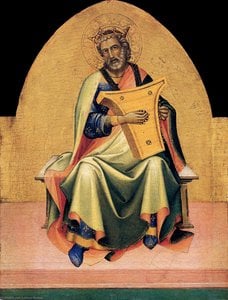
Antiphonary (Cod. Cor. 1, folio 3)

Descoperă Lorenzo Monaco (1370-1425), pictor florentin care unește eleganța gotică și începuturile Renașterii italienești! Explorează operele sale spirituale, manuscrise iluminate și stilul său unic.

Achiziționați o imagine digitală de înaltă rezoluție, îmbunătățită, mult superioară previzualizării online.

Fiecare fișier este pregătit cu meticulozitate de specialiștii noștri interni, utilizând instrumente avansate și retușare manuală expertă. Ne asigurăm că fiecare imagine beneficiază de o claritate excepțională, o acuratețe precisă a culorilor și detalii fine.

Fișierul final este livrat prin e-mail în termen de 72 de ore, optimizat pentru utilizare imediată în medii profesionale, editoriale și de imprimare. Aceasta este aceeași calitate în care au încredere studiouri de design, edituri și galerii de top.

Imagine Digitală

Descărcați un fișier la rezoluție înaltă pentru afișare personală, imprimare și proiecte creative. (Comută pe Print Comută pe PrintComandă pictură lucrată manual Comandă pictură lucrată manual)

Preț total

$ 24,90

Inclus în fiecare comandă de imagini digitale

Livrare digitală de expertiză, garantată

Când alegeți WahooArt.com, nu primiți doar o simplă imagine – primiți o operă de artă digitală îmbunătățită profesional, creată cu precizie și susținută de o garanție de satisfacție. Iată tot ceea ce primești odată cu comanda ta, în mod automat:

shipping_icon
Livrare rapidă prin e-mail

Fișierul imaginii digitale la rezoluție înaltă vă va fi trimis prin e-mail în termen de 72 de ore de la finalizarea comenzii – gata pentru utilizare imediată.

canvas_icon
Fișier digital optimizat prin IA

Opera ta de artă este optimizată profesional prin intermediul unor instrumente AI avansate și al editării manuale, asigurând un nivel maxim de detalii, claritate și acuratețe a culorilor.

insurance_icon
Retransmitere gratuită pe viață

Ai șters sau ai pierdut din greșeală fișierul? Nu îți face griji – ți-l vom retrimite oricând, gratuit.

tax_icon
Fără taxe de import – Întotdeauna

Bucură-te instant de noua ta operă de artă, fără taxe vamale, taxe de import sau costuri de livrare – descărcările digitale sunt întotdeauna fără taxe.

color_icon
Garanția acurateții culorilor

Asigurăm o reflectare cât mai fidelă a culorilor originale în imaginea ta digitală, prin utilizarea unor instrumente profesionale și a proceselor de gestionare a culorii.

return_icon
Garanție de satisfacție de 100 de zile

Dacă nu sunteți mulțumit de imaginea digitală achiziționată, o vom revizui sau vă vom returna 100% în termen de 100 de zile - fără nicio întrebare.

guarantee_icon
Garanție de returnare 100% a banilor

Nu ești mulțumit? Primești rambursarea integrală în termen de 100 de zile de la primirea fișierului digital – fără nicio întrebare.

discount_icon
Reduceri pentru comenzi în volum

Cumpără 3 imagini, economisește 10% - Cumpără 5, economisește 15% - Cumpără 10+, economisește 20%. Ideal pentru proiecte creative, galerii și agenții.

Informații rapide

  • Subject or theme: Jesus' burial
  • Notable elements: Religious scene, gold frame
  • Location: Biblioteca Laurenziana, Florence
  • Dimensions: 463 x 480 cm
  • Movement: Quattrocento
  • Title: Antiphonary (Cod. Cor. 1, folio 3)
  • Year: 1396

Test de cultură artistică

Fiecare întrebare are un singur răspuns corect.

Întrebare 1:
The Antiphonary (Cod. Cor. 1, folio 3) depicts which significant event in Christian history?
Întrebare 2:
Lorenzo Monaco, the artist of this work, was primarily known for:
Întrebare 3:
The red clothing worn by the figures in the painting is often associated with:
Întrebare 4:
In what year was the Antiphonary (Cod. Cor. 1, folio 3) created?
Întrebare 5:
Which of the following best describes Lorenzo Monaco's artistic style, influenced by his monastic life?

A Monk’s Vision Transformed: Unveiling the Drama of Lorenzo Monaco's Antiphonary

Lorenzo Monaco’s “Antiphonary (Cod. Cor. 1, folio 3),” painted in 1396, is more than just a religious depiction; it’s a poignant distillation of the spiritual life and artistic evolution occurring at the cusp of the Renaissance. Born Piero di Giovanni around 1370 in Siena, Monaco's journey was marked by a profound shift from the vibrant, narrative-driven style of the Trecento to a more introspective and emotionally resonant approach deeply rooted in his monastic vows. This painting, housed within the Biblioteca Medicea Laurenziana in Florence, offers a rare glimpse into the mind of an artist wrestling with faith, mortality, and the burgeoning humanist ideals that would soon reshape European art.

The scene itself is deceptively simple yet powerfully evocative. At its heart lies the deposition of Christ – Jesus being gently lowered into his tomb by two figures, their gestures conveying a mixture of sorrow and reverence. The composition isn’t dominated by grand scale or heroic poses; instead, Monaco masterfully utilizes a carefully orchestrated arrangement of human forms to draw the viewer into this intimate moment of grief. Note the deliberate positioning of the supporting figures – one on the left, another on the right, and three clustered in the central area – each contributing to the overall sense of solemnity and communal mourning. The red garments worn by these individuals, a common symbol of religious authority and sacrifice, further emphasize the gravity of the event.

The Language of Color and Light: Monaco’s Technique

Monaco's technical skill is immediately apparent in his masterful use of color and light. The palette is restrained yet luminous, dominated by deep blues, ochres, and reds – colors traditionally associated with piety and mourning. He employs a technique known as *sfumato*, subtly blurring the outlines and softening transitions between forms, creating an atmosphere of hazy reverence. This approach, reminiscent of Giotto but with a distinctly more controlled sensibility, allows the figures to emerge from the background, drawing our attention to their emotional states rather than imposing them upon us through dramatic poses. The gold leaf accents, particularly around the tomb itself, not only enhance the painting’s visual richness but also symbolize divine presence and the sacredness of the event.

  • Pigments: Monaco utilized a range of pigments including ultramarine (derived from lapis lazuli), creating vibrant blues; vermilion for the reds, and orpiment for the yellows – all indicative of his access to high-quality materials.
  • Support: The painting is executed on wood panel, a common medium during this period, offering a stable surface for layering paint.
  • Brushwork: Close examination reveals a delicate and controlled brushstroke, prioritizing tonal harmony and subtle gradations of color over bold outlines.

Symbolism and Spiritual Depth

Beyond the literal depiction of Christ’s burial, “Antiphonary” is rich in symbolic meaning. The act of deposition itself represents sacrifice, humility, and redemption – core tenets of Christian theology. The figures surrounding the tomb are not merely witnesses; they embody the human response to suffering and loss. Their postures and expressions convey a spectrum of emotions: grief, compassion, and perhaps even a glimmer of hope. The very presence of an antiphonary—a book containing liturgical chants—suggests the painting’s intended purpose: to inspire devotion and facilitate prayer. Monaco's decision to portray this pivotal event within a monastic setting underscores the profound influence of his spiritual life on his artistic vision.

A Window into a Changing World

“Antiphonary (Cod. Cor. 1, folio 3)” stands as a crucial bridge between the Gothic and Renaissance periods. While retaining elements of the Trecento’s narrative clarity, Monaco introduces a greater emphasis on psychological realism and emotional depth – hallmarks of the emerging Renaissance style. This painting offers a powerful testament to the enduring power of faith, the complexities of human emotion, and the transformative potential of artistic vision. WahooArt is proud to offer meticulously crafted reproductions that allow you to experience the beauty and profound meaning of this remarkable work firsthand, bringing Lorenzo Monaco’s contemplative masterpiece into your home or studio.


Biografie artist

A Florentine Monk’s Vision: The World of Lorenzo Monaco

Lorenzo Monaco, born Piero di Giovanni around 1370 in Siena, occupies a fascinating and pivotal position in the transition from the Gothic grace of the Trecento to the burgeoning Renaissance ideals of the Quattrocento. Though biographical details remain scarce, his artistic journey reveals a compelling story of adaptation, innovation, and deeply felt spirituality. Apprenticed in Florence, he absorbed the lessons of masters like Giotto, Spinello Aretino, and Agnolo Gaddi – artists who established a foundation of narrative clarity and emotional resonance. However, it was his embrace of monastic life in 1390, joining the Camaldolese order at Santa Maria degli Angeli, that truly shaped both his artistic identity and earned him the name by which he is best known: Lorenzo Monaco, or “Lawrence the Monk.” This commitment to a contemplative existence profoundly influenced the character of his work, imbuing it with an introspective quality and a focus on devotional themes.

Early Influences and Gothic Elegance

Lorenzo Monaco’s formative years were steeped in the artistic traditions of Siena and Florence—a crucible where Gothic sensibilities mingled with nascent Renaissance impulses. His training under Giotto, Spinello Aretino, and Agnolo Gaddi instilled within him a profound understanding of narrative storytelling and emotional expression – techniques that would characterize his entire oeuvre. These masters championed clarity of form and psychological depth, prioritizing the conveyance of spiritual truth over mere visual spectacle. Monaco’s early paintings demonstrate this influence vividly; they are marked by refined elegance, delicate linearism, and a palette initially restrained in its chromatic range. The International Gothic style prevailed throughout Europe during this period, shaping Monaco's aesthetic sensibilities and informing his compositional choices. He skillfully incorporated elements of Ghiberti’s sculptural innovations and Starnina’s meticulous attention to detail, absorbing the stylistic refinements that signaled the waning days of the Trecento.

The Camaldolese Order and Artistic Transformation

Joining the Camaldolese order in 1390 proved to be a transformative experience for Monaco—a decision that irrevocably altered his artistic trajectory and cemented his reputation as “Lawrence the Monk.” This monastic vocation instilled within him a deep reverence for faith and contemplation, shaping not only his spiritual life but also the very essence of his art. Unlike many artists of his time who pursued worldly ambitions, Monaco dedicated himself to prayer and scholarship, prioritizing intellectual pursuits alongside artistic creation. The contemplative atmosphere of Santa Maria degli Angeli fostered an inner harmony that permeated his paintings—a subtle yet unmistakable resonance of monastic spirituality. This influence is particularly evident in his later works, where he eschewed flamboyant ornamentation for understated elegance and prioritized symbolic representation over literal depiction.

Stylistic Evolution: From Gothic to Quattrocento

Over time, Monaco’s artistic style underwent a gradual metamorphosis—reflecting the broader shifts occurring within Florentine art during the Quattrocento. While retaining the foundational principles of Gothic elegance—namely, elongated figures draped in sinuous garments and delicate linearism—he subtly incorporated elements that foreshadowed the Renaissance aesthetic. He embraced sharper edges and brilliant colors – particularly the luxurious hues of gold and lapis lazuli – a stylistic hallmark of the burgeoning Renaissance movement. Furthermore, Monaco’s use of light became increasingly sophisticated, capturing ethereal effects that conveyed spiritual illumination rather than merely illuminating form. His gestures are often understated, hinting at inner emotion rather than overtly displaying it—a characteristic that distinguishes him from many of his contemporaries who sought to impress viewers with grand spectacle. This stylistic evolution represents a crucial step in the artistic continuum, bridging the gap between Gothic tradition and Renaissance innovation.

Legacy: A Singular Voice Amidst Change

Lorenzo Monaco stands apart as one of the last significant exponents of Giotto’s style—preserving its legacy while simultaneously integrating elements that anticipate the transformative innovations championed by Masaccio and Filippo Brunelleschi in perspective and naturalism. He demonstrated that artistic excellence could flourish within established conventions, enriching them with individual expression and spiritual depth. Unlike many artists of his time who prioritized technical virtuosity above all else, Monaco consistently sought to convey profound theological narratives with clarity and grace—a testament to his unwavering commitment to faith and artistry. Giorgio Vasari recognized Monaco’s talent while acknowledging his untimely death from an unidentified infection around 1425—leaving behind a legacy that continues to inspire admiration for its refined elegance and spiritual resonance. His paintings remain invaluable windows into a pivotal moment in art history—a time of transition, experimentation, and the enduring power of faith expressed through artistic vision.
Lorenzo Monaco

Lorenzo Monaco

1370 - 1425 , Italia

Detalii rapide

  • Artistic Movement Or Style: Gótico internacional
  • Artists Or Movements Influenced By This Artist: ['Fra Angelico']
  • Artists Who Influenced This Artist:
    • Giotto
    • Spinello Aretino
    • Agnolo Gaddi
  • Date Of Birth: c. 1370
  • Date Of Death: c. 1425
  • Full Name: Lorenzo Monaco
  • Nationality: Italiano
  • Notable Artworks:
    • Pietà
    • Coronación de la Virgen
    • Adoración de los Magos
  • Place Of Birth: Siena, Italia