


Printuri giclée sau pe canvas de calitate muzeală, cu proces de producție rapid și opțiuni flexibile de finisare. ( Comandă pictură lucrată manual Cumpără imaginea)





























Alegeți dintre dimensiunile noastre prestabilite, care respectă proporțiile originale ale operei de artă.

Puteți introduce propriile dimensiuni pentru a se potrivi unui anumit cadru sau spațiu. Dacă dimensiunea selectată nu corespunde proporțiilor imaginii originale, vom decupa lucrarea de artă sau vom extinde imaginea cu margini oglindite sau cu o culoare uniformă. Un mockup digital va fi trimis pentru aprobarea dumneavoastră înainte de începerea producției.
Vă rugăm să rețineți că previzualizarea de pe ecran nu reflectă decuparea sau extinderea reală. Doar mockup-ul va arăta cu exactitate compoziția finală.
Deși dimensiunile personalizate sunt disponibile, vă recomandăm să selectați o dimensiune din lista predefinită pentru a păstra proporțiile originale.
Livrare în întreaga lume () în 2 săptămâni, în loc de cele 4/5 săptămâni standard. (7 Septembrie)


The Last Supper (detail)
Dimensiune reproducere
“The Last Supper” by Leonardo da Vinci stands as an unparalleled achievement in Renaissance art, captivating audiences centuries after its creation. More than just a depiction of biblical scripture, it’s a profound exploration of human emotion and artistic innovation—a testament to Da Vinci's genius that continues to inspire awe.
Painted between 1495 and 1498 during Ludovico Sforza’s reign in Milan, the fresco embodies the humanist spirit of the era. Unlike earlier religious art focused on stylized figures and symbolic representations, Da Vinci sought to portray human beings with unprecedented realism—capturing not only their physical appearance but also their psychological states. This ambition reflects a broader intellectual movement that prioritized observation and understanding of the natural world alongside theological contemplation.
Da Vinci’s mastery of perspective is immediately apparent upon viewing the painting. He employs linear perspective to create an illusion of depth, positioning Jesus at the center of a table with twelve apostles—a masterful feat that revolutionized artistic technique. Furthermore, Da Vinci skillfully manipulates light and shadow (chiaroscuro) to heighten dramatic tension and convey emotion. The diffused light emanating from the windows casts intricate patterns across the faces of the apostles, emphasizing their expressions and contributing to the overall atmosphere of solemn contemplation.
The composition itself is laden with symbolic significance. Da Vinci meticulously studied human anatomy—a groundbreaking endeavor for his time—to accurately represent the musculature and facial expressions of each apostle. Judas Iscariot’s face, notably rendered in shadow, embodies betrayal and despair—a poignant portrayal of psychological complexity that transcends mere visual representation. The gestures of the apostles convey a range of emotions—surprise, apprehension, disbelief—reflecting their reaction to Jesus' announcement of his impending crucifixion.
"The Last Supper" irrevocably altered the course of art history. Its innovative techniques and psychological depth served as an inspiration for generations of artists who followed Da Vinci—establishing a new standard for realism and emotional expression. Today, reproductions of this iconic masterpiece adorn homes and galleries worldwide, ensuring that its enduring beauty and profound artistic merit continue to resonate with audiences across cultures.

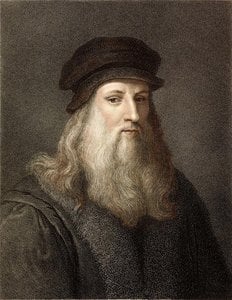
1452 - 1519 , Italia

Explore the profound artistry of The Last Supper through an art historian's lens. From Leonardo da Vinci’s genius to diverse Renaissance interpretations, discover the symbolism and technique behind history's most iconic sacred depictions.

Explore the profound genius of Leonardo, Michelangelo, and Raphael. An authoritative deep dive into the High Renaissance masters, analyzing their unique techniques, humanistic vision, and enduring influence on the world of fine art collecting.

Elevate your home with exquisite, hand-painted Renaissance reproductions by Da Vinci and Michelangelo. WahooArt offers museum-quality oil paintings, bespoke commissions, and expert art consultation for the discerning collector. Experience timeless luxury with our 100% satisfaction guarantee.

 Previzualizare
 Trimite
 Distribuie
 Detalii despre lucrare

 Descarcă
 Produse similare
 Radiografie
 Diapozitive automate


 Vezi mai mult







 Opțiunea cu sticlă este disponibilă doar pentru dimensiuni de sub 110 cm


