

Obțineți un fișier gata de imprimare care depășește cu mult calitatea previzualizării web. Fiecare imagine digitală pe care o vindem provine dintr-un master de înaltă rezoluție din baza noastră de date — având, de regulă, o lățime între 5.000 și 15.000 de pixeli — astfel încât să puteți printa în format mare, să decupați strâns sau să reproduceți detalii fine cu încredere.
Niciun fișier nu părăsește studioul nostru fără să fie tratat. Un expert digital verifică nuanțele de culoare în raport cu pictura originală și le corectează acolo unde este necesar, apoi îmbunătățește claritatea și detaliile folosind instrumente profesionale de retușare — rămânând întotdeauna fidel gestului pictural și stilului artistului. Rezultatul este o imagine care seamănă cu tabloul propriu-zis, nu cu o scanare filtrată.
Aprobați înainte de finalizare: expertul nostru vă va trimite imaginea prin e-mail în termen de 72 de ore pentru revizuire. Nu sunteți mulțumit? Solicitați îmbunătățiri sau corecturi, ori cereți o restituire a plății dacă calitatea nu este pe măsura așteptărilor.
Aceasta este calitatea pe care se bazează editorii, studiourile de design, galeriile și tipăriturile.
Descărcați un fișier la rezoluție înaltă pentru afișare personală, imprimare și proiecte creative. ( Comută pe versiunea Print Comandă pictură realizată manual)
Când alegeți WahooArt.com, nu primiți doar o simplă imagine – primiți o operă de artă digitală îmbunătățită profesional, creată cu precizie și susținută de o garanție de satisfacție. Iată tot ceea ce primești odată cu comanda ta, în mod automat:
Fișierul imaginii digitale la rezoluție înaltă vă va fi trimis prin e-mail în termen de 72 de ore de la finalizarea comenzii – gata pentru utilizare imediată.
Opera ta de artă este optimizată profesional prin intermediul unor instrumente AI avansate și al editării manuale, asigurând un nivel maxim de detalii, claritate și acuratețe a culorilor.
Ai șters sau ai pierdut din greșeală fișierul? Nu îți face griji – ți-l vom retrimite oricând, gratuit.
Bucură-te instant de noua ta operă de artă, fără taxe vamale, taxe de import sau costuri de livrare – descărcările digitale sunt întotdeauna fără taxe.
Asigurăm o reflectare cât mai fidelă a culorilor originale în imaginea ta digitală, prin utilizarea unor instrumente profesionale și a proceselor de gestionare a culorii.
Dacă nu sunteți mulțumit de imaginea digitală achiziționată, o vom revizui sau vă vom returna 100% în termen de 100 de zile – fără nicio întrebare.
Nu ești mulțumit? Primești rambursarea integrală în termen de 100 de zile de la primirea fișierului digital – fără nicio întrebare.
Cumpără 3 imagini, economisește 10% - Cumpără 5, economisește 15% - Cumpără 10+, economisește 20%. Ideal pentru proiecte creative, galerii și agenții.
Leonardo da Vinci's "Neptun," often referred to simply as "Neptune," is not merely a painting; it’s a dramatic embodiment of Roman mythology, rendered with an arresting intensity that speaks volumes about the artist’s mastery of composition, light, and psychological depth. Completed around 1482, this charcoal drawing on black chalk offers a glimpse into da Vinci's early explorations of figure work and his fascination with classical themes – specifically, the turbulent power of the sea god Poseidon. Unlike many of his later, more polished works, “Neptun” retains a raw energy, a sense of immediacy that reflects its status as a preliminary study rather than a finished masterpiece.
The scene depicts Neptune, king of the gods and ruler of the oceans, seated upon a shell-shaped rock. He’s not presented in the idealized form often found in Renaissance sculpture; instead, da Vinci captures him with a palpable sense of authority and even a hint of brooding intensity. His posture is deliberately forceful, his gaze fixed ahead as if commanding the waves themselves. The figure is rendered with rapid, confident strokes – a characteristic of Leonardo’s working method – revealing the underlying structure beneath the surface. Notice how he uses hatching to create texture and volume, particularly in the folds of his drapery and the swirling patterns of the sea.
Da Vinci's technique is immediately striking. The charcoal is applied with a remarkable degree of spontaneity, creating a dynamic sense of movement that contrasts sharply with the static quality often associated with Renaissance art. He masterfully employs hatching – closely spaced parallel lines – to build up tones and create an illusion of depth and texture. The use of light and shadow is particularly effective in conveying the drama of the scene; the dark background emphasizes Neptune’s form, while strategically placed highlights draw attention to his face and hands.
Compositionally, “Neptun” is a tour de force. The figure dominates the frame, yet he's not isolated. The swirling waves, depicted with loose, expressive strokes, create a sense of chaos and power that mirrors Neptune’s dominion over the sea. The inclusion of Amphitrite, Neptune’s consort, riding on his back, adds another layer of visual interest and reinforces the theme of royal authority. The placement of the birds – one soaring above, another diving below – subtly connects the earthly realm with the divine, suggesting a broader cosmic order.
“Neptun” is deeply rooted in Roman mythology, drawing upon centuries of tradition surrounding Poseidon. The shell-shaped rock serves as Neptune’s throne, symbolizing his connection to the sea – the very essence of his power. The turbulent waves are not merely decorative; they represent the unpredictable and potentially destructive forces that lie beneath the surface. The presence of birds, often associated with divine messengers or omens, adds a layer of symbolic complexity.
Interestingly, da Vinci’s depiction deviates slightly from traditional portrayals of Neptune. He doesn't present him as a benevolent protector; instead, he captures a more formidable and even somewhat menacing figure – a god who commands respect through sheer force of will. This nuanced portrayal reflects da Vinci’s broader interest in exploring the complexities of human nature and the darker aspects of the divine.
Despite its status as an early study, “Neptun” reveals da Vinci's burgeoning genius and his willingness to experiment with new techniques. It demonstrates his ability to capture not just the physical appearance of a subject but also their psychological state – a skill that would become increasingly central to his later work. Reproductions of this captivating drawing offer a unique opportunity to appreciate da Vinci’s artistic process and to witness firsthand the genesis of one of the most iconic images in Western art history. Its raw energy and dramatic composition continue to resonate with viewers today, reminding us of the enduring power of classical mythology and the boundless creativity of Leonardo da Vinci.
În ceea ce privește luminozitatea percepută, "Neptun" de Leonardo Da Vinci este brilliant.
„Neptun” este disponibil ca descărcare imagine digitală de înaltă rezoluție, putând fi achiziționat direct de pe pagina sa de Imagine digitală de înaltă rezoluție.
Există o pagină de Statistici pentru "Neptun". Aceasta prezintă graficul vizitelor lunare pentru această operă și pentru celelalte lucrări ale artistului, cu detalii pe țări și limbi vorbite.

Leonardo Da Vinci s-a născut pe 15 aprilie 1452 în apropierea orășelului de deal toscan Vinci. Originea sa a fost definită de o realitate socială specifică: fiind fiul nelegitim al unui notar de succes, Piero Fruosino di Antonio da Vinci, și al unei femei din clasa muncitoare, numită Caterina Cambi, acest început l-a plasat încă de la început în structurile sociale ale mediului rural toscan. Într-o etapă ulterioară, el s-a mutat la Florența, locul unde și-a desfășurat educația. Orașul îi oferea o atmosferă centrată pe precizia disegno, o atenție riguroasă acordată desenului, care avea să îi dicteze abordarea tehnică pentru tot restul vieții sale.
La vârsta de paisprezece ani, Leonardo Da Vinci a intrat în atelierul lui Andrea del Verrocchio. Această ucenicie a reprezentat fundamentul capacității sale tehnice. În studioul lui Verrocchio, granițele dintre diversele meserii erau extrem de fluide, iar tânărul artist a învățat să manipuleze instrumentele atât ale unui pictor, cât și ale unui sculptor. Această formare nu se limita doar la utilizarea pensulei; ea implica o înțelegere profundă a mecanicii sculpturii și a proprietăților fizice ale diverselor materiale. El a dezvoltat o modalitate unică de a vedea, care lega mișcarea unui mușchi de modul în care lumina cade pe o suprafață, o abilitate profund înrădăcinată în disciplina primilor săi ani de viață.
Cariera lui Leonardo Da Vinci a fost definită de o mișcare constantă între marile centre ale Renașterii Superioare. El a fost activ în principal în Florența din 1472 până în jurul anului 1482, și din nou în perioada dintre 1500 și 1508. Acești ani petrecuți în Florența i-au oferit fundația esențială pentru dezvoltarea sa, însă traiectoria sa pe termen lung a fost modelată profund de perioada petrecută în Milano. Și-a dedicat o mare parte din viață servind lui Ludovico Sforza în Milano, o perioadă de activitate care a durat aproximativ între 1482 și 1499. Această etapă de serviciu nu a fost un interval continuu, deoarece s-a întors în Milano între 1508 și 1513.
Deși Florența și Milano au fost hub-urile sale principale de activitate, influența sa s-a extins mult dincolo de aceste două orașe. Viața sa profesională a inclus lucrări semnificative în Roma și, în cele din urmă, în Franța. Această mobilitate geografică a împiedicat stilul său de a deveni static; în loc să rămână legat de o singură curte, el a navigat printre peisajele politice schimbătoare ale peninsulei italiene. Prezența sa în Milano a fost marcată de un dialog continuu cu curtea, unde interesele sale pentru inginerie și știință s-au intersectat adesea cu comenziile sale artistice. Această fuziune a disciplinelor a asigurat faptul că producția sa artistică nu a fost niciodată limitată la simpla decorațiune.
Prezența lui Leonardo Da Vinci în Milano a fost definită de serviciul său pe termen lung în favoarea lui Ludovico Sforza. Această relație a dictat atât amploarea, cât și natura creației sale, impunând o negociere constantă între cerințele religioase ale epocii și nevoile politice specifice ale curții Sforza. Munca sa din această perioadă nu a fost o simplă succesiune de sarcini izolate, ci un răspuns continuu la ambițiile patronilor săi. El a navigat printre subiecte diverse, echilibrând cerințele unei dinastii regnătoare cu propriile sale experimente tehnice.
Cea mai semnificativă consecință a acestui patronaj a fost decorarea peretelui mausoleului din refectoriul Conventului Santa Maria delle Grazie. Această comandă a dat naștere capodoperei Ultima Cină. Proiectul a necesitat o abatere de la metodele tradiționale de frescă, deoarece Leonardo a utilizat o vopsea pe bază de ulei amestecată cu mastic, pentru a permite stratificarea lentă și reviziile frecvente pe care procesul său creativ le necesita. Această alegere, deși a permis un nivel de detalii superioară, a creat o vulnerabilitate fizică a lucrării, care a necesitat secole de restaurare. Murala rămâne o parte centrală a peisajului milanez, capturând un moment de tensiune umană profundă prin aplicarea riguroasă a perspectivei.
Mona Lisa rămâne cea mai faimoasă pictură din existență. Situată în Musée du Louvre, din Paris, aceasta atrage un nivel de atenție globală pe care puține alte opere îl pot pretinde. În mod similar, desenul Omul Vitruvian a devenit un icon cultural prin cartografierea proporțiilor formei umane. Aceste lucrări demonstrează o capacitate extraordinară de a traduce observația complexă într-un limbaj vizual care persistă în conștiința modernă.
Arta religioasă a atins un apogeu al reprezentării prin capodopera Ultima Cină. Această frescă murală, situată în refectoriul Conventului Santa Maria delle Grazie din Milano, surprinde momentul imediat după ce Isus anunță o trădare. Utilizarea perspectivei pentru a atrage privitorul direct în interiorul încăperii rămâne un standard de aur pentru drama psihologică în artă. Piața pentru supraviețuindile sale picturale este la fel de intensă. În 2017, pictura Salvator Mundi a fost vândută la licitație pentru 450,3 milioane de dolari americani, o cifră care reflectă valoarea imensă atribuită geniului său.
Abordarea lui Leonardo Da Vinci față de pânza de pictură era condusă de o nevoie neîncetată de a reconcilia observația științifică cu reprezentarea vizuală. El nu se limita doar la pictarea unor figuri; el le reconstruia prin intermediul unei investigații riguroase a anatomiei umane. Studiind cadavrele, a dobândit o înțelegere precisă a modului în care funcționează mușchii și oasele, ceea ce i-a permis să reducă forma umană cu un nivel de acuratețe care a schimbat fundamental standardele ilustrației anatomice. Aceasta nu era o simplă căutare a asemănării, ci o necesitate structurală ce guverna fiecare pensulă aplicată.
Inovațiile sale tehnice se concentrarea pe manipularea luminii și a atmosferei. El a dezvoltat sfumato, o metodă de utilizare a unor gradații subtile de ton pentru a estompa marginile subiectelor sale. Această tehnică elimina asprimea contururilor, permițând formelor să emergă dintr-o ceață fumurie. El a combinat acest lucru cu chiaroscuro pentru a controla interacțiunea dintre lumină și umbră, creând un sentiment de volum tridimensional. Pentru a obține aceste efecte, a experimentat cu materiale neconvenționale, inclusiv o vopsea pe bază de ulei amestecată cu mastic, o rășină destinată să permită uscarea lentă și aplicarea continuă a straturilor de culoare.
Ultimele ani ai lui Leonardo Da Vinci au fost definiți de o schimbare geografică ce a reflectat mișcarea sa intelectuală neîntreruptă. După ce a activat în Roma între anii 1513 și 1516, el a migrat spre finalul existenței sale sub invitația lui Francisc I. Această tranziție l-a dus în Franța, unde și-a petrecut ultimii trei ani de viață, trăind și lucrând. Prezența sa în curtea franceză a marcat încheierea unei cariere magistrale, care avusese deja să străbată marile centre ale Renașterii Superioare.
Sfârșitul vieții sale a fost petrecut în Franța, unde și-a continuat investigațiile până la moartea sa, survenită pe 2 mai 1519. Ultimele sale ani nu au reprezentat o perioadă de retragere liniștită, ci o continuare a acelei observații intense care îi caracterizase întreaga existență. A murit în Franța, lăsând în urmă un corpus de lucrări care rămâne o referință fundamentală pentru intersecția dintre cercetarea științifică și reprezentarea vizuală.
Leonardo Da Vinci rămâne o figură centrală în istoria artei occidentale, un statut susținut de o operă vastă care a modelat dezvoltarea artistică europeană într-o măsură rivalizată doar de Michelangelo. Influența sa provine dintr-o refuz de a separa actul picturii de actul investigației. El a funcționat simultan ca pictor, desenator, inginer, om de știință, teoretician, sculptor și arhitect. Această amplitudine a intereselor a asigurat faptul că contribuțiile sale nu au fost niciodată limitate la un singur mediu sau la o singură disciplină.
Cărțile sale de note oferă cea mai directă dovadă a acestui intelect neliniștit. Ele dezvăluie o minte care nu a încetat niciodată să observe mecanica lumii, documentând totul, de la curgerea apei până la complexitățile structurale ale oaselor umane. Această abordare empirică a însemnat că desenele sale nu erau doar schițe preparatorii, ci instrumente pentru înregistrarea unei investigații continue a naturii. El a tratat lumea fizică ca pe un subiect care trebuie decodificat prin observație riguroasă.
Amploarea impactului său este vizibilă în modul în care diversele sale interese s-au intersectat. Cercetările sale științifice asupra anatomiei și luminii i-au informat producția vizuală, creând un cerc continuu de feedback între teorie și practică. Această integrare a disciplinelor i-a permis să treacă dincolo de simpla reprezentare, către o înțelegere profundă a modului în care funcționează lumea. Moștenirea sa este definită de acest refuz de a se specializa, optând în schimb pentru stăpânirea mecanicii existenței prin o gamă largă de activități tehnice și științifice.
Pentru a fi martori ai realității fizice a creației sale, este necesară o călătorie spre colecții instituționale specifice. Mona Lisa rămâne păstrată în cadrul Muzeului Luvru din Paris, fiind piesa centrală a colecției acestui muzeu de renume. În Cracovia, Muzeul Czartoryski găzduiește pictura Dama cu armarmidă. Aceste locații reprezintă principalele puncte de acces pentru contemplarea celor mai semnificative pânze ce au supraviețuit timpului.
Florența rămâne o destinație esențială pentru cei care doresc să urmărească evoluția sa timpurie și transformările sale tehnice. Galeria Uffizi adăpostește atât Anunțarea, cât și Botezul lui Hristos. Aceste lucrări permit o comparație directă a stăpânirii sale tot mai profunde asupra luminii și a peisajului. Admirarea lor in situ oferă o perspectivă autentică asupra dimensiunii și a mediilor specifice pentru care au fost concepute.
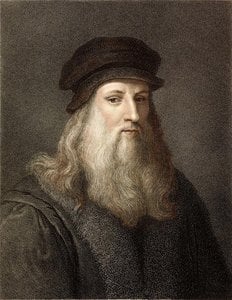
1452 - 1519 , Italia
 Previzualizare
 Trimite prin felicitare
 Distribuie
 Detalii despre lucrare
 Ghid
Ghid

 Descarcă imaginea
 Produse similare
 Radiografie
 Galerie foto
 Întrebări și răspunsuri
 Statistici
 Vezi mai mult


