


 Pictură în uleiArtă muralăRenaissance
 1470Renașterea
 266.0 x 233.0 cm
 Muzeul Luvru
Printuri giclée sau pe canvas de calitate muzeală, cu proces de producție rapid și opțiuni flexibile de finisare. ( Comandă pictură lucrată manual Cumpără imaginea)





























Alegeți dintre dimensiunile noastre prestabilite, care respectă proporțiile originale ale operei de artă.

Puteți introduce propriile dimensiuni pentru a se potrivi unui anumit cadru sau spațiu. Dacă dimensiunea selectată nu corespunde proporțiilor imaginii originale, vom decupa lucrarea de artă sau vom extinde imaginea cu margini oglindite sau cu o culoare uniformă. Un mockup digital va fi trimis pentru aprobarea dumneavoastră înainte de începerea producției.
Vă rugăm să rețineți că previzualizarea de pe ecran nu reflectă decuparea sau extinderea reală. Doar mockup-ul va arăta cu exactitate compoziția finală.
Deși dimensiunile personalizate sunt disponibile, vă recomandăm să selectați o dimensiune din lista predefinită pentru a păstra proporțiile originale.
Livrare în întreaga lume () în 2 săptămâni, în loc de cele 4/5 săptămâni standard. (7 Septembrie)


"Garment study for a seated figure" -> "Studiu textil pentru o figură șezândă"
Dimensiune reproducere
Leonardo di ser Piero da Vinci’s artistic journey began within the workshop of Andrea del Verrocchio in Florence during the zenith of the Italian Renaissance—a period characterized by an unprecedented flourishing of art, science, and humanism. This formative environment fostered a rigorous approach to artistic training, emphasizing observation, anatomical study, and the meticulous rendering of detail. Verrocchio’s studio wasn't merely a place of instruction; it was a crucible where innovative ideas collided with established conventions, shaping Leonardo into the transformative artist he would become.
Verrocchio, a celebrated sculptor and painter himself, instilled in Leonardo not only technical skills but also a broader intellectual curiosity that would define his entire life’s work. He recognized Leonardo's prodigious talent early on—a gift that surpassed conventional expectations—and nurtured it with unwavering dedication. This mentorship proved invaluable, providing Leonardo with access to the tools and knowledge necessary for mastering both visual arts and scientific inquiry.
The workshop atmosphere encouraged experimentation and fostered a spirit of questioning accepted dogma. Artists weren’t simply replicating existing masterpieces; they were actively engaged in pushing boundaries and exploring new possibilities—a mindset that would permeate Leonardo's subsequent endeavors. It was here, amidst the chisels and pigments of Verrocchio’s studio, that Leonardo first encountered the profound influence of humanist thought.
Among Verrocchio’s pupils, Leonardo stood apart—a visionary whose relentless pursuit of understanding would propel him across disciplines. His fascination with anatomy, fueled by meticulous dissection and anatomical drawings, mirrored his dedication to capturing the subtleties of human form in painting. This dual focus—artistic observation combined with scientific inquiry—became a hallmark of his oeuvre.
The “Garment Study,” executed around 1470-1484, exemplifies this approach perfectly. It’s not merely a depiction of drapery; it's an exercise in mastering the language of form itself—a fundamental principle that would inform his later masterpieces like *Mona Lisa* and *The Last Supper*. Da Vinci painstakingly analyzed the interplay of light and shadow on fabric folds, striving to convey not just appearance but also the very essence of drapery’s tactile qualities.
He employed charcoal, pen and ink, and grey wash on prepared paper—a relatively inexpensive medium that allowed him to experiment freely without risking costly pigments. This deliberate choice underscores his preference for direct observation and meticulous rendering over elaborate color schemes. The subdued palette emphasizes the dramatic effect achieved through subtle tonal variations.
Within the seemingly simple composition of the garment study, Leonardo embedded layers of symbolic meaning—a characteristic trait of Renaissance art. The seated figure remains anonymous, deliberately devoid of identifying features—a technique that invites contemplation and focuses attention on the artwork’s technical brilliance.
The drapery itself transcends mere decorative function; it embodies Da Vinci's profound understanding of perspective and spatial illusion. Each crease, each fold, is rendered with painstaking precision, demonstrating his mastery of *sfumato*—a technique he would later refine in his portraits to create an ethereal glow and heighten emotional impact.
The garment study serves as a testament to Da Vinci’s unwavering commitment to capturing not just what the eye sees but also what the mind feels—a pursuit that elevated art beyond mere visual representation into a realm of psychological exploration. It remains a cornerstone of his artistic legacy, inspiring admiration for its elegance and intellectual depth.
For those captivated by the artistry of “Garment Study” – whether as art historians, collectors, or simply admirers of Renaissance genius – WahooArt offers exquisite, hand-painted oil reproductions. Our skilled artisans meticulously recreate Da Vinci’s nuanced techniques and subtle details, capturing the essence of this remarkable study with unparalleled accuracy. Each reproduction is a testament to Da Vinci's enduring influence, allowing you to experience his artistic brilliance in stunning detail.

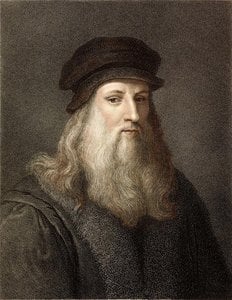
1452 - 1519 , Italia

Explore the profound genius of Leonardo, Michelangelo, and Raphael. An authoritative deep dive into the High Renaissance masters, analyzing their unique techniques, humanistic vision, and enduring influence on the world of fine art collecting.

Elevate your home with exquisite, hand-painted Renaissance reproductions by Da Vinci and Michelangelo. WahooArt offers museum-quality oil paintings, bespoke commissions, and expert art consultation for the discerning collector. Experience timeless luxury with our 100% satisfaction guarantee.

 Previzualizare
 Trimite
 Distribuie
 Detalii despre lucrare

 Descarcă
 Produse similare
 Radiografie
 Diapozitive automate
 Vezi mai mult







 Opțiunea cu sticlă este disponibilă doar pentru dimensiuni de sub 110 cm


