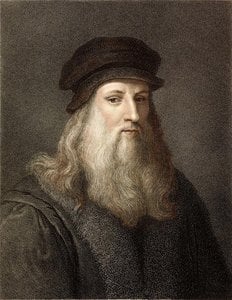
Genialitatea Atemporală: Viața și Moștenirea lui Leonardo da Vinci
Leonardo di ser Piero da Vinci, născut în 1452 în apropierea satului toscan Vinci, rămâne fără îndoială una dintre cele mai recunoscute figuri ale Renașterii – un adevărat polimat a cărui curiozitate insațiabilă l-a propulsat dincolo de discipline, lăsând o amprentă indelebilă asupra artei, științei și ingineriei. Numele său a devenit sinonim cu geniul, o mărturie a amplitudinii sale extraordinare și a gândirii vizionare. Provenind dintr-o naștere nelegitimă, fiul lui Piero da Vinci, un notar, și Caterina, o țărancă, viața timpurie a lui Leonardo a fost neconvențională, dar i-a oferit acces atât la lumea practică, cât și la aprecierea naturii, care avea să îi modeleze profund viziunea artistică. A primit o educație de bază în citire, scriere și aritmetică, însă ucenicia sa sub Andrea del Verrocchio în Florența a aprins cu adevărat scânteia creativă. În atelierul lui Verrocchio, Leonardo nu învăța doar să picteze sau să sculpteze; era cufundat într-o lume de măiestrie tehnică, stăpânind metalurgia, tâmplăria, desenul și complexitățile creației artistice – o fundație pe care avea să își construiască geniul său multifacetat. Chiar și în această perioadă formativă, șoapte circulau despre talentul său excepțional, cu relatări care sugerau că Verrocchio însuși a renunțat la pictură după ce a fost martorul abilității superioare a lui Leonardo.
Inovația Milanese și Apogeul Artistic
În 1482, Leonardo a pornit într-un nou capitol, intrând în slujba lui Ludovico Sforza, Ducele de Milano. Aceasta nu a fost doar o numire artistică; Leonardo a funcționat ca inginer militar, arhitect, sculptor și designer pentru curte – o dovadă a abilităților sale diverse. A conceput fortificații inovatoare, a proiectat decoruri elaborate și chiar a schițat planuri pentru mașini fantastice. Cu toate acestea, în această perioadă a început să lucreze la una dintre cele mai iconice capodopere ale sale:
Cina cea de Taină. Pictată ca o frescă în refectoriul mănăstirii Santa Maria delle Grazie, opera transcende simpla reprezentare; este o explorare profundă a emoției umane și a dramei psihologice, capturând momentul precis în care Hristos anunță trădarea sa. Compoziția, inovatoare pentru vremea sa, și utilizarea magistrală a perspectivei au influențat profund arta occidentală timp de secole. Deși multe proiecte sculpturale au rămas neterminate în perioada milaneză, spiritul inventiv al lui Leonardo a continuat să prospere, punând bazele explorărilor științifice viitoare.
Întoarcerea la Florența și Căutarea Perfecțiunii
După invazia franceză asupra Milanului din 1499, Leonardo s-a întors la Florența, un oraș care experimenta un apogeu al dezvoltării artistice. Deși a produs mai puține lucrări complete în această perioadă, impactul lor a fost imens. Aici a început să lucreze la ceea ce avea să devină probabil cea mai faimoasă pictură din lume:
Mona Lisa (La Gioconda). Zâmbetul enigmatic și privirea captivantă a subiectului au fascinat generații de spectatori, în timp ce tehnica revoluționară *sfumato* a lui Leonardo – amestecarea subtilă a luminii și umbrei pentru a crea contururi estompate și perspectivă atmosferică – a contribuit semnificativ la calitatea eterică a picturii. Această perioadă a marcat, de asemenea, o rafinare continuă a studiilor sale anatomice, motivată de dorința neclintită de a înțelege forma umană cu precizie științifică. A disecat cadavre, documentând meticulos mușchii, oasele și organele într-o serie de desene incredibil de detaliate care erau cu secole înainte de vremea lor.
O Moștenire Dincolo de Artă: Știință, Invenție și Influență Durabilă
Anii târziu ai lui Leonardo au fost marcați de călătorii între Florența, Milano și Roma, fiind mereu solicitat pentru expertiza sa, dar lăsând adesea proiectele incomplete – o reflectare poate a intelectului său neliniștit și a amplorii intereselor sale. În 1516, a acceptat invitația regelui Francisc I de a trăi și lucra la Château du Clos Lucé lângă Amboise în Franța, unde și-a petrecut ultimii ani. A murit acolo în 1519, lăsând în urmă o moștenire vastă care se extinde cu mult dincolo de domeniul artei. Carnetele sale dezvăluie lucrări pionierat în anatomie, optică, hidraulică, geologie și cartografie – și invenții conceptualizate cu secole înainte de vremea lor, inclusiv mașini zburătoare, tancuri și armament avansat.
Impactul lui Leonardo da Vinci asupra istoriei artei este imens. El a ridicat statutul artiștilor de la meșteșugari calificați la figuri intelectuale, demonstrând că creația artistică ar putea fi informată de cercetare științifică și o înțelegere profundă a lumii naturale. Picturile sale sunt celebrate pentru realismul lor, profunzimea psihologică și tehnicile inovatoare. Rămâne un simbol al curiozității umane, creativității și căutării neîncetate a cunoașterii – o adevărată întruchipare a spiritului Renașterii a cărei moștenire continuă să inspire admirație și fascinație secole după moartea sa.
Realizări Cheie & Impact Durabil
- Pictură: Mona Lisa, Cina cea de Taină, Fecioara între stânci, Bunavestirea
- Desen & Schiță: Studii anatomice extinse, Proiecte inginerești (mașini zburătoare, armament), Ilustrații botanice
- Știință & Inginerie: Lucrări pionierat în anatomie, optică, hidraulică, geologie și cartografie. Invenții conceptualizate cu secole înainte de vremea lor.



 Vezi în context
 Comandă pictură realizată manual
 Trimite
 Distribuie
 Detalii
 Ghidul

 Descarcă
 Produse similare
 Radiografie
 Diaporama
 Statistici
 Citește mai mult






































 Opțiunea cu sticlă este disponibilă doar pentru dimensiuni de sub 110 cm