PrevizualizarePrevizualizare Previzualizare ARPrevizualizare AR Comandă pictură lucrată manual Comandă pictură lucrată manualSwitch to Digital Image Switch to Digital Image TrimiteTrimite
Detalii despre lucrareDetalii despre lucrare Adaugă la favorite Adaugă la favorite DescarcăDescarcă Produse similareProduse similare RadiografieRadiografie Diapozitive automateDiapozitive automate StatsStats

Manga

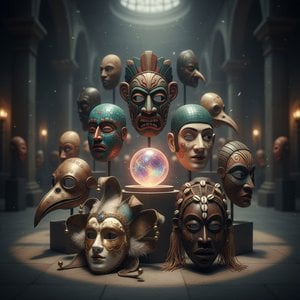
Descoperă măiestria lui Katsushika Hokusai în *Manga*, o serie impresionantă de schițe cu fețe purtătoare de masti – un simbol al geniului său artistic și al influenței sale durabile asupra istoriei artei japoneze.

Descoperă Katsushika Hokusai (1760-1849), maestru al artei japoneze! Admira Valul Mare Kanagawa, peisaje impresionante și stilul inovator ukiyo-e. Influența impresionistă și multe alte opere de artă!

Giclée / Imprimare artistică

Printuri giclée sau pe canvas de calitate muzeală, cu proces de producție rapid și opțiuni flexibile de finisare. (Comandă pictură lucrată manual Comandă pictură lucrată manualSwitch to Digital Image Switch to Digital Image)

P118B $10
P118H $10
P118W $10
P438Z $10
P508JH $12
P508YH $12
P805H $10
P805Z $10
P919BZ $10
P919G $10
P919XJ $10
P959ZH $10
P968JZ $12
W106C $8
W218G $10
W218JH $8
W218Y $10
W307PJ $10
W316G $10
W316PJ $8
W316Y $10
W398PJ $8
W4111J $10
W500HY $15
W500JH $15
W692G $12
W849H $8
W940BG $15
W953PJ $8

Standard
personalizat
CM
INCH

Alegeți dintre dimensiunile noastre prestabilite, care respectă proporțiile originale ale operei de artă.

lățime
înălțime

Puteți introduce propriile dimensiuni pentru a se potrivi unui anumit cadru sau spațiu. Dacă dimensiunea selectată nu corespunde proporțiilor imaginii originale, vom decupa lucrarea de artă sau vom extinde imaginea cu margini oglindite sau cu o culoare uniformă. Un mockup digital va fi trimis pentru aprobarea dumneavoastră înainte de începerea producției.
Vă rugăm să rețineți că previzualizarea de pe ecran nu reflectă decuparea sau extinderea reală. Doar mockup-ul va arăta cu exactitate compoziția finală.
Deși dimensiunile personalizate sunt disponibile, vă recomandăm să selectați o dimensiune din lista predefinită pentru a păstra proporțiile originale.

Livrare în întreaga lume () în 2 săptămâni, în loc de cele 4/5 săptămâni standard. (8 Septembrie)

why_choose_icon
Livrare expres gratuită la nivel mondial
why_choose_icon
Pânză de in de înaltă calitate
why_choose_icon
Asigurare completă pentru transport
why_choose_icon
Garanție de rambursare a taxelor vamale
why_choose_icon
Garanția fidelității culorilor
why_choose_icon
Politica de retur de 100 de zile (doar pentru defecte)
why_choose_icon
Garanție de rambursare 100%
why_choose_icon
Ofertă pentru comenzi multiple

Preț total

$ 68

reproduction

Manga

Giclée / Imprimare artistică

Dimensiune reproducere

-

Preț total calculat

$ 68

Informații rapide

  • Influences: Japanese folklore
  • Title: Manga
  • Notable elements or techniques: Detailed facial depictions; Mask motifs
  • Medium: Woodblock print
  • Artistic style: Ukiyo-e
  • Year: 1849
  • Movement: Romanticism

Test de cultură artistică

Fiecare întrebare are un singur răspuns corect.

Întrebare 1:
What is the primary subject matter of *Hokusai Manga*?
Întrebare 2:
The drawing's style is characterized by:
Întrebare 3:
According to the provided text, what was Hokusai's father’s role in fostering his son’s artistic talent?
Întrebare 4:
The image description mentions that the drawing showcases 'the intricacies of each face.' What artistic technique contributes to this level of detail?
Întrebare 5:
What is *Hokusai Manga* considered to be a significant contribution to Japanese art history?

A Silent Symphony of Faces: Exploring Katsushika Hokusai’s Manga

The drawing, tentatively titled *Manga*, presents a captivating glimpse into the artistic mind of Katsushika Hokusai—a figure whose influence on Japanese art extends far beyond his iconic depiction of Mount Fuji. While its precise provenance remains elusive, this monochrome print embodies the spirit of Hokusai's prolific output during his later years, specifically between 1830 and 1849. It’s a testament to his unwavering dedication to observation and experimentation—a characteristic that propelled him from mastering traditional woodblock printing techniques to venturing into uncharted stylistic territory.

The Technique of Observation: Woodblock Printing and Beyond

Hokusai's mastery lay in harnessing the power of *Ukiyo-e*, or woodblock printing, a medium he had honed throughout his career. However, *Manga* transcends mere replication; it showcases Hokusai’s willingness to push boundaries. The print utilizes meticulous detail achieved through multiple blocks—each painstakingly carved and inked—resulting in astonishing tonal gradations and textural nuances that capture the subtle variations of light and shadow on the faces depicted. This technique wasn't simply about reproducing reality; it was about distilling it into its essence, conveying emotion and atmosphere with remarkable precision. The artist’s careful consideration for capturing fleeting expressions is palpable, reflecting a profound understanding of human psychology—a skill honed through years of sketching and studying anatomy.
  • Material: Woodblock Print
  • Technique: Multi-block printing – Precise carving and ink application creates tonal variations.
  • Notable Elements: Detailed facial depictions; Mask motifs contribute to the symbolic depth of the artwork.

A Reflection of Edo Society: Historical Context

Created during the Edo period (1603-1868), *Manga* speaks volumes about the social landscape of Japan at that time. The Edo shogunate fostered a vibrant artistic culture, fueled by patronage from merchants and samurai alike. Yet, Hokusai’s work wasn't merely decorative; it engaged with pressing societal concerns—particularly anxieties surrounding mortality and the passage of time. The depiction of multiple faces, each bearing masks, subtly hints at the hidden realities beneath appearances, mirroring the complexities of human relationships and the pervasive influence of Confucian ideals emphasizing filial piety and social harmony. These themes resonate powerfully even today, reminding us that art can transcend temporal boundaries to address universal human experiences.

Symbolism in Monochrome: Masks and Expression

The use of masks—a recurring motif throughout Hokusai’s oeuvre—is particularly noteworthy. In Japanese culture, masks represent concealment, transformation, and ritualistic performance. Here, they symbolize the facades we present to the world while concealing our innermost emotions. The artist's deliberate choice of monochrome reinforces this symbolic dimension, stripping away superficial color to focus on the raw power of expression. Each face is rendered with painstaking accuracy—eyes closed in contemplation, mouths slightly parted—suggesting a profound engagement with inner thought and feeling. This stylistic decision underscores Hokusai’s belief that true beauty lies not in outward appearance but in capturing the essence of human experience. “The artist’s careful consideration for capturing fleeting expressions is palpable,” he noted, highlighting the importance of psychological insight within his artistic practice.

Emotional Resonance: Capturing Transient Beauty

Ultimately, *Manga* succeeds in conveying an arresting emotional resonance. Despite its lack of color, the print possesses a remarkable immediacy—drawing viewers into a contemplative space where they confront the fragility and impermanence of life. The artist’s masterful control over tonal variation creates a sense of depth and atmosphere that evokes feelings of melancholy and introspection. Like many of Hokusai's works, *Manga* invites us to pause and consider the profound beauty found in observing the human condition—a timeless message delivered with breathtaking artistic skill. It stands as a poignant reminder that even silence can speak volumes about the complexities of existence. Inspired by: Japanese Folklore; Edo Period Artistic Tradition

Biografie artist

A Life Etched in Ink: The World of Katsushika Hokusai

Katsushika Hokusai, a name that resonates deeply within the world of art and inextricably linked to the iconic image of *The Great Wave off Kanagawa*, was far more than simply a printmaker. Born in Edo (modern-day Tokyo) around 1760, his life unfolded as an extraordinary journey—a relentless pursuit of artistic mastery, characterized by constant evolution, shifting names, and an insatiable curiosity that propelled him through nearly nine decades. From humble beginnings as the son of a mirror maker, Hokusai’s initial inclination towards art wasn't immediately nurtured; however, he pursued his passion with unwavering dedication, reportedly beginning to draw at the tender age of six. This steadfast commitment would ultimately define a career of unparalleled scope and influence, leaving behind a legacy that continues to captivate and inspire audiences worldwide. His father, Nakajima Ise, while not an artist himself, recognized and perhaps subtly encouraged this nascent talent, providing the foundational support for a transformative artistic odyssey. Hokusai’s early life wasn't defined by privilege, but rather shaped by ambition and a profound desire to capture the essence of the world around him—a driving force that fueled his relentless creative exploration.

From Apprenticeship to Innovation: The Blossoming of a Style

Hokusai’s formal artistic training commenced at twelve when he entered the prestigious studio of Katsukawa Shunshō, a leading master of *ukiyo-e* – “pictures of the floating world.” This vibrant genre, flourishing during the Edo period, served as a mirror reflecting the diverse facets of Japanese society—depicting scenes from everyday life: captivating actors performing in Kabuki theatre, elegant courtesans, breathtaking landscapes, and glimpses into the bustling urban culture. Under Shunshō’s tutelage, Hokusai meticulously absorbed the intricate techniques of woodblock printing – a demanding process requiring exceptional precision and artistic skill. Yet, he possessed an innate restlessness, a spirit that yearned to transcend mere replication; even in his early works, evidence of this rebellious streak emerged—a desire to push boundaries, experiment with new subjects, and forge a uniquely personal visual language. He began exploring diverse themes, venturing beyond the traditional confines of *ukiyo-e* by illustrating books and creating single-sheet prints, constantly refining his skills and developing a distinctive style that would soon set him apart. This period also marked the beginning of a series of name changes—a common practice among Japanese artists of the time, signifying periods of artistic evolution or affiliations with different schools.

Mount Fuji and the Floating World: Defining Masterpieces

Hokusai’s artistic output was astonishingly prolific; tens of thousands of woodblock prints, paintings, and illustrated books bear his signature. While he embraced a wide range of subjects—from serene landscapes to dynamic scenes of daily life—it was his series *Thirty-Six Views of Mount Fuji* (circa 1831) that cemented his enduring fame. This monumental collection wasn’t simply a depiction of a majestic mountain; it was a profound exploration of perspective, composition, and the raw power of nature. The iconic *Great Wave off Kanagawa*, with its towering crests and perilous depths, embodies both the breathtaking beauty and the terrifying unpredictability of the sea—a testament to Hokusai’s masterful command of line and color. Beyond *Fuji*, works such as *Fireworks at Ryōgoku Bridge* (1790) demonstrated his remarkable ability to capture dynamic scenes with an extraordinary sense of energy and detail, showcasing a keen eye for capturing fleeting moments in time. His *Hokusai Manga* – a collection of sketches and studies encompassing people, animals, landscapes, and fantastical creatures—was groundbreaking in its scope and influence, foreshadowing the development of modern manga as an art form. These works weren’t isolated achievements; they were milestones in a continuous artistic journey, each building upon the last to create a body of work that is both deeply rooted in Japanese tradition and remarkably innovative.

A Legacy Beyond Borders: Hokusai's Enduring Influence

Hokusai’s impact extended far beyond Japan’s borders. As Japan cautiously opened its doors to the West during the late 19th century, *ukiyo-e* prints flooded European markets, sparking a phenomenon known as *Japonisme*. Artists like Claude Monet, Edgar Degas, and Vincent van Gogh were profoundly influenced by Hokusai’s bold compositions, vibrant colors, and unconventional perspectives. Van Gogh, in particular, was deeply moved by *The Great Wave*, famously recreating it in his own paintings—a testament to its enduring power. Hokusai's influence wasn’t limited to Impressionism; it permeated various modern art movements, shaping the way artists approached composition, color, and subject matter. His emphasis on capturing fleeting moments, his dynamic use of line, and his ability to find beauty in everyday life resonated with a generation of artists seeking new forms of expression. Even today, Hokusai’s work continues to inspire and challenge artists around the world, solidifying his place as one of the most important figures in art history—a testament to his unwavering dedication and artistic genius. He continued painting until his death in 1849 at the age of 89, leaving behind a vast body of work that remains a powerful reminder of the transformative potential of art.
  • Major Influences: Ukiyo-e traditions, Chinese landscape painting, everyday life in Edo.
  • Key Characteristics: Bold lines, vibrant colors, dynamic compositions, keen observation of nature.

Hokusai

Hokusai

1760 - 1849 , Japonia

Detalii rapide

  • Artistic Movement Or Style: Ukiyo-e
  • Artists Or Movements Influenced By This Artist:
    • Impressionism
    • Van Gogh
  • Artists Who Influenced This Artist:
    • Pictură chineză
    • Viața de zi cu zi
  • Date Of Birth: 31 Oct 1760
  • Date Of Death: 10 Mai 1849
  • Full Name: Katsushika Hokusai
  • Nationality: Japonez
  • Notable Artworks:
    • Valul Mare
    • Muntele Fuji
    • Hokusai Manga
  • Place Of Birth: Tokyo, Japonia
Explorați opere de artă organizate pe teme, stiluri și caracteristici.