PrevizualizarePrevizualizare Previzualizare ARPrevizualizare AR Comută pe Print Comută pe PrintComută pe Imagine Digitală Comută pe Imagine Digitală TrimiteTrimite
Detalii despre lucrareDetalii despre lucrare Adaugă la favorite Adaugă la favorite DescarcăDescarcă Produse similareProduse similare RadiografieRadiografie Diapozitive automateDiapozitive automate StatisticiStatistici

Beånd Cloth

"Beånd Cloth": O pictură impresionistă japoneză ce surprinde liniștea unui peisaj montan Fuji și simbolurile protecției și armoniei în natură – semnătură Hokusai!

Descoperă Katsushika Hokusai (1760-1849), maestru al artei japoneze! Admira Valul Mare Kanagawa, peisaje impresionante și stilul inovator ukiyo-e. Influența impresionistă și multe alte opere de artă!

Reproducere pictată manual în ulei

Pictură în ulei pe pânză, realizată manual de artiștii noștri la dimensiunea și ramele dorite de dumneavoastră, pe comandă. (Comută pe Print Comută pe PrintComută pe Imagine Digitală Comută pe Imagine Digitală)

P118B $10
P118H $10
P118W $10
P438Z $10
P508JH $12
P508YH $12
P805H $10
P805Z $10
P919BZ $10
P919G $10
P919XJ $10
P959ZH $10
P968JZ $12
W106C $8
W218G $10
W218JH $8
W218Y $10
W307PJ $10
W316G $10
W316PJ $8
W316Y $10
W398PJ $8
W4111J $10
W500HY $15
W500JH $15
W692G $12
W849H $8
W940BG $15
W953PJ $8

Standard
personalizat
CM
INCH

Alegeți dintre dimensiunile noastre prestabilite, care respectă proporțiile originale ale operei de artă.

lățime
înălțime

Puteți introduce propriile dimensiuni pentru a se potrivi unui anumit cadru sau spațiu. Dacă dimensiunea selectată nu corespunde proporțiilor imaginii originale, vom decupa opera de artă sau vom extinde pictura cu elemente suplimentare pictate manual. O simulare digitală vă va fi trimisă pentru aprobare înainte de începerea producției.
Vă rugăm să rețineți că previzualizarea de pe ecran nu reflectă decuparea sau extinderea reală. Doar macheta va arăta cu exactitate compoziția finală.
Deși sunt disponibile dimensiuni personalizate, vă recomandăm să selectați o dimensiune din lista predefinită pentru a păstra proporțiile originale.

Exemple de elemente ce pot fi personalizate: Înlocuiți fața cu fotografia clientului; Adăugați un animal de companie (de exemplu, înlocuiți pisica cu un câine); Includeți un mesaj ascuns în fundal; Schimbați peisajul sau elementele din fundal.
După plasarea comenzii, echipa WahooArt.com va contacta clientul prin e-mail pentru instrucțiuni și îi va furniza o previzualizare a machetei

Livrare în întreaga lume () în 3-4 săptămâni, în loc de cele 5 săptămâni standard. (8 Septembrie). Fără compromisuri în ceea ce privește calitatea.

why_choose_icon
Livrare expres gratuită la nivel mondial
why_choose_icon
Pânză de in de înaltă calitate
why_choose_icon
Asigurare completă pentru transport
why_choose_icon
Garanție de rambursare a taxelor vamale
why_choose_icon
Garanția fidelității culorilor
why_choose_icon
Politica de retur de 100 de zile (doar pentru defecte)
why_choose_icon
Garanție de rambursare 100%
why_choose_icon
Ofertă pentru comenzi multiple

Preț total

$ 272

reproduction

Beånd Cloth

Tehnică de reproducere

Dimensiune reproducere

-

Preț total calculat

$ 272

Informații rapide

  • Movement: Ukiyo-e
  • Subject or theme: Landscape
  • Notable elements or techniques: Dynamic Composition
  • Year: 1830
  • Artist: Katsushika Hokusai
  • Medium: Woodblock Print
  • Influences: Japanese Tradition

Test de cultură artistică

Fiecare întrebare are un singur răspuns corect.

Întrebare 1:
What is Katsushika Hokusai best known for?
Întrebare 2:
The image depicts a scene featuring an umbrella and potted plants. What is the significance of these elements in relation to the artwork?
Întrebare 3:
Which artistic movement was influenced by Hokusai's work, particularly 'The Great Wave'?
Întrebare 4:
What technique is predominantly used in the creation of this artwork?
Întrebare 5:
The painting portrays two figures engaged in an activity. What emotion or mood do you perceive from this depiction?

A Window Into Edo Period Japan: Exploring Katsushika Hokusai’s “Beating Cloth”

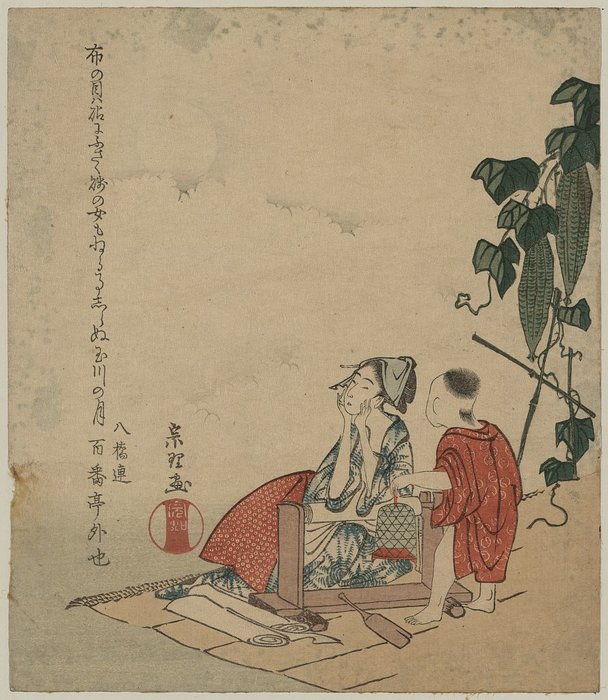
Katsushika Hokusai (1760-1849), a name instantly recognizable as synonymous with Japanese art, transcends mere printmaking; he embodies the spirit of an era—the vibrant dynamism and subtle contemplation of Edo Period Japan. While "The Great Wave off Kanagawa" undoubtedly cemented his place in artistic history, delving deeper into Hokusai’s oeuvre reveals a profound understanding of Japanese culture and aesthetics that continues to inspire artists and collectors alike. “Beating Cloth,” part of his monumental series *Thirty-Six Views of Mount Fuji*, offers a captivating glimpse into this world, inviting viewers to consider not just what is depicted but also how it embodies the artistic principles of its time.

The Landscape as Meditation

Mount Fuji dominates Hokusai’s vision—not as an imposing monolith of divine majesty, but as a serene focal point within a meticulously crafted landscape. Unlike Western Romantic landscapes that prioritize dramatic vistas and emotional grandeur, Hokusai's approach is characterized by quiet observation and understated beauty. He eschews excessive detail, favoring instead broad brushstrokes and tonal gradations to convey the essence of Fuji’s presence—its stillness, its permanence against the ceaseless flow of nature. This deliberate simplification aligns with Zen Buddhist philosophy, which emphasizes mindfulness and acceptance of impermanence; Hokusai seeks to capture not just a visual representation but also an emotional resonance that speaks to the viewer's inner state.

Ukiyo-e Technique: Precision and Atmosphere

The execution of “Beating Cloth” exemplifies the mastery of ukiyo-e, Japan’s woodblock printing tradition. Skilled artisans painstakingly carved intricate designs onto wooden blocks—typically maple—using specialized tools honed over generations. Ink was then applied to these blocks in multiple layers, transferring pigment onto paper with astonishing accuracy and achieving remarkable tonal depth. The subtle interplay of light and shadow creates an atmospheric effect that surpasses mere visual representation; it evokes the feeling of a misty mountain morning – cool air, damp earth, and the distant majesty of Fuji. This technique wasn’t simply about reproducing images faithfully; it was about harnessing the materiality of the medium to communicate profound ideas about perception and experience.

Symbolism Within Simplicity

Beyond its technical brilliance, “Beating Cloth” is laden with symbolic significance reflecting Edo Period beliefs. The woman depicted diligently beating cloth—likely preparing for a ritual ceremony—represents industriousness and devotion. The umbrella she carries symbolizes protection from adversity and signifies the importance of safeguarding one's inner peace amidst external challenges. Furthermore, the inclusion of potted plants contributes to the overall harmony of the composition, mirroring the Japanese concept of *wabi-sabi*, which celebrates imperfection and transience as sources of beauty and wisdom. These elements underscore Hokusai’s desire to convey not just a picturesque scene but also a moral lesson—a reminder that true fulfillment lies in embracing simplicity and accepting the inevitable rhythms of life.

An Enduring Legacy: Influence Beyond Borders

“Beating Cloth”'s understated elegance captivated audiences across continents during its initial publication, establishing Hokusai as an influential figure in Western art history. Impressionists like Claude Monet and Eugène Boudin were profoundly moved by his landscapes, incorporating elements of tonal gradation and atmospheric perspective into their own paintings—a testament to the enduring power of Japanese artistic sensibilities. Today, reproductions of “Beating Cloth” adorn homes and galleries worldwide, continuing to inspire admiration for Hokusai’s genius and reminding us that beauty can reside in profound stillness – a lesson as relevant now as it was two centuries ago.

Biografie artist

A Life Etched in Ink: The World of Katsushika Hokusai

Katsushika Hokusai, a name that resonates deeply within the world of art and inextricably linked to the iconic image of *The Great Wave off Kanagawa*, was far more than simply a printmaker. Born in Edo (modern-day Tokyo) around 1760, his life unfolded as an extraordinary journey—a relentless pursuit of artistic mastery, characterized by constant evolution, shifting names, and an insatiable curiosity that propelled him through nearly nine decades. From humble beginnings as the son of a mirror maker, Hokusai’s initial inclination towards art wasn't immediately nurtured; however, he pursued his passion with unwavering dedication, reportedly beginning to draw at the tender age of six. This steadfast commitment would ultimately define a career of unparalleled scope and influence, leaving behind a legacy that continues to captivate and inspire audiences worldwide. His father, Nakajima Ise, while not an artist himself, recognized and perhaps subtly encouraged this nascent talent, providing the foundational support for a transformative artistic odyssey. Hokusai’s early life wasn't defined by privilege, but rather shaped by ambition and a profound desire to capture the essence of the world around him—a driving force that fueled his relentless creative exploration.

From Apprenticeship to Innovation: The Blossoming of a Style

Hokusai’s formal artistic training commenced at twelve when he entered the prestigious studio of Katsukawa Shunshō, a leading master of *ukiyo-e* – “pictures of the floating world.” This vibrant genre, flourishing during the Edo period, served as a mirror reflecting the diverse facets of Japanese society—depicting scenes from everyday life: captivating actors performing in Kabuki theatre, elegant courtesans, breathtaking landscapes, and glimpses into the bustling urban culture. Under Shunshō’s tutelage, Hokusai meticulously absorbed the intricate techniques of woodblock printing – a demanding process requiring exceptional precision and artistic skill. Yet, he possessed an innate restlessness, a spirit that yearned to transcend mere replication; even in his early works, evidence of this rebellious streak emerged—a desire to push boundaries, experiment with new subjects, and forge a uniquely personal visual language. He began exploring diverse themes, venturing beyond the traditional confines of *ukiyo-e* by illustrating books and creating single-sheet prints, constantly refining his skills and developing a distinctive style that would soon set him apart. This period also marked the beginning of a series of name changes—a common practice among Japanese artists of the time, signifying periods of artistic evolution or affiliations with different schools.

Mount Fuji and the Floating World: Defining Masterpieces

Hokusai’s artistic output was astonishingly prolific; tens of thousands of woodblock prints, paintings, and illustrated books bear his signature. While he embraced a wide range of subjects—from serene landscapes to dynamic scenes of daily life—it was his series *Thirty-Six Views of Mount Fuji* (circa 1831) that cemented his enduring fame. This monumental collection wasn’t simply a depiction of a majestic mountain; it was a profound exploration of perspective, composition, and the raw power of nature. The iconic *Great Wave off Kanagawa*, with its towering crests and perilous depths, embodies both the breathtaking beauty and the terrifying unpredictability of the sea—a testament to Hokusai’s masterful command of line and color. Beyond *Fuji*, works such as *Fireworks at Ryōgoku Bridge* (1790) demonstrated his remarkable ability to capture dynamic scenes with an extraordinary sense of energy and detail, showcasing a keen eye for capturing fleeting moments in time. His *Hokusai Manga* – a collection of sketches and studies encompassing people, animals, landscapes, and fantastical creatures—was groundbreaking in its scope and influence, foreshadowing the development of modern manga as an art form. These works weren’t isolated achievements; they were milestones in a continuous artistic journey, each building upon the last to create a body of work that is both deeply rooted in Japanese tradition and remarkably innovative.

A Legacy Beyond Borders: Hokusai's Enduring Influence

Hokusai’s impact extended far beyond Japan’s borders. As Japan cautiously opened its doors to the West during the late 19th century, *ukiyo-e* prints flooded European markets, sparking a phenomenon known as *Japonisme*. Artists like Claude Monet, Edgar Degas, and Vincent van Gogh were profoundly influenced by Hokusai’s bold compositions, vibrant colors, and unconventional perspectives. Van Gogh, in particular, was deeply moved by *The Great Wave*, famously recreating it in his own paintings—a testament to its enduring power. Hokusai's influence wasn’t limited to Impressionism; it permeated various modern art movements, shaping the way artists approached composition, color, and subject matter. His emphasis on capturing fleeting moments, his dynamic use of line, and his ability to find beauty in everyday life resonated with a generation of artists seeking new forms of expression. Even today, Hokusai’s work continues to inspire and challenge artists around the world, solidifying his place as one of the most important figures in art history—a testament to his unwavering dedication and artistic genius. He continued painting until his death in 1849 at the age of 89, leaving behind a vast body of work that remains a powerful reminder of the transformative potential of art.
  • Major Influences: Ukiyo-e traditions, Chinese landscape painting, everyday life in Edo.
  • Key Characteristics: Bold lines, vibrant colors, dynamic compositions, keen observation of nature.

Hokusai

Hokusai

1760 - 1849 , Japonia

Detalii rapide

  • Artistic Movement Or Style: Ukiyo-e
  • Artists Or Movements Influenced By This Artist:
    • Impressionism
    • Van Gogh
  • Artists Who Influenced This Artist:
    • Pictură chineză
    • Viața de zi cu zi
  • Date Of Birth: 31 Oct 1760
  • Date Of Death: 10 Mai 1849
  • Full Name: Katsushika Hokusai
  • Nationality: Japonez
  • Notable Artworks:
    • Valul Mare
    • Muntele Fuji
    • Hokusai Manga
  • Place Of Birth: Tokyo, Japonia
Explorați opere de artă organizate pe teme, stiluri și caracteristici.