


Printuri giclée sau pe canvas de calitate muzeală, cu proces de producție rapid și opțiuni flexibile de finisare. ( Comandă pictură realizată manual Comută pe Imagine Digitală)





























Alegeți dintre dimensiunile noastre prestabilite, care respectă proporțiile originale ale operei de artă.

Introduceți lățimea și înălțimea necesare pentru a se potrivi ramei sau peretelui dumneavoastră. O printare poate fi doar tăiată, niciodată extinsă dincolo de dimensiunea imaginii originale, astfel încât o dimensiune cu o formă diferită va pierde o parte din imagine. Vă trimitem o simulare digitală pentru aprobare înainte de a imprima orice. Imaginea afișată pe această pagină nu prezintă tăierea reală — doar simularea arată acest lucru.
Livrare în întreaga lume () în 2 săptămâni, în loc de cele 4/5 săptămâni standard. (11 Noiembrie)
Unknown
Dimensiune reproducere
In the quiet corners of Stockholm’s Moderna Museum resides a masterpiece that captures the very essence of a world in transition. Juan Gris’s 1916 work, often referred to as Unknown, is far more than a simple arrangement of objects; it is a profound meditation on the fractured nature of modern perception. At first glance, the viewer is greeted by a deceptively tranquil still life: a bottle of wine containing a deep red liquid, a solitary cup, and two books resting upon a table. Yet, as one lingers before the canvas, the stillness dissolves into a rhythmic dance of planes and edges. This is the hallmark of Synthetic Cubism, where Gris does not merely depict reality but reconstructs it through a sophisticated lens of geometric abstraction.
The composition is a masterclass in balance and structural tension. Eschewing the traditional vanishing points that had governed Western art since the Renaissance, Gris employs a technique of overlapping forms and intersecting lines to create a sense of depth that feels both shallow and infinite. The bottle, the cup, and the books are dissected into cylinders and cubes, subtly rearranged to challenge the eye. This deliberate fragmentation serves as a poignant metaphor for the anxieties of early 20th-century Europe—a period where old certainities were being dismantled by the rapid onset of industrialization and the looming shadows of global conflict.
Gris’s approach to this piece reveals his unique intellectual lineage. While often overshadowed by the monumental presence of Pablo Picasso, Gris brought an almost mathematical precision to the Cubist movement, likely a remnant of his early training in engineering. In Unknown, every stroke feels calculated to contribute to a larger, cohesive architecture. The interplay between the solid weight of the books and the translucent suggestion of the wine bottle creates a tactile experience for the viewer. There is a rhythmic quality to the way light seems to catch certain edges while others recede into shadow, guiding the eye in a continuous loop around the central tableau.
For the discerning collector or interior designer, this artwork offers a sophisticated focal point that bridges the gap between historical significance and contemporary elegance. The muted yet purposeful palette allows the piece to integrate seamlessly into modern, minimalist environments, providing a sense of intellectual depth without overwhelming the surrounding space. To possess a high-quality reproduction of this work is to invite a conversation about the nature of sight itself—a reminder that beauty often lies in the way we choose to reassemble the broken pieces of our world.
Ultimately, Unknown remains an evocative testament to the power of transformation. It invites us to look past the surface of everyday objects and find the complex, beautiful structures hidden within. Whether viewed as a historical landmark of the Cubist era or as a striking decorative element for a curated home, Gris’s vision continues to resonate, offering a timeless window into the soul of modern art.
Culorile din "Unknown" de Juan Gris au o intensitate Balanced.
Originalul "Unknown" de Juan Gris este o lucrare de tip Oil On Canvas, cu dimensiunile de 50 x 61 cm. Tehnica și dimensiunea descriu obiectul original.
Tehnica utilizată pentru "Unknown" de Juan Gris este Oil On Canvas, iar reproducerile urmăresc să reducă aspectul acestei tehnici.
Născut sub numele de José Victoriano González-Pérez, pe 23 martie 1887, în Madrid, Spania, omul care avea să devină cunoscut sub numele de Juan Gris a crescut într-un cămin numeros și plin de viață. Sendo fost al treizecilea din paisprezece copii, fiul unui om de afaceri prosper, Gregorio Gonzalez, a beneficiat de un mediu familial care i-a oferit o bază stabilă în anii de formare din capitala spaniolă.
Educația sa timpurie a luat o turnură tehnică la Școala de Arte și Științe din Madrid, unde a ales să studieze ingineria. Această perioadă de studiu i-a însușit un simț al logicii structurale care avea să se manifeste ulterior în întreaga sa creație vizuală. Deși atenția sa era concentrată pe mecanica designului, un impuls creativ era deja prezent. Între anii 1904 și 1905, el a început să își formalizeze pregătirea artistică, studiind pictura sub îndrumarea artistului academic José Moreno Carbonero. Această perioadă de instruire, scurtă dar de o importanță majoră, a ajutat la crearea unei punți între studiile sale tehnice și un limbaj vizual aflat în plină evoluție.
Până în 1905, a avut loc o transformare profundă a identității sale, moment în care a adoptat numele de Juan Gris. Această schimbare a marcat o detașare de originile sale de José Victoriano González-Pérez și a semnalat o nouă direcție pentru viața sa. El a părăsit rigoarea cerută de inginerie pentru a pășe în lumea mai fluidă, dar la fel de structurată, a reprezentării vizuale.
Mutarea la Paris în 1906 a schimbat radical direcția vieții sale. Până în 1909, acesta locuia în celebrul Bateau-Lavoir, de la numărul 13 Rue Ravignan, un loc marcat de o mișcare constantă și de spații comune pline de viață. În acei ani, și-a petrecut timpul lucrând ca caricaturist satiric, însă tranziția către pictură a început cu adevărat în jurul anului 1911. El a lăsat în urmă lumea ilustrației pentru a se concentra pe pânză, căutând o modalitate mai structurată de a percepe obiectele care îl înconjurau.
Prezența sa în scena artistică pariziană a devenit oficială în 1912, anul în care și-a expus lucrările pentru prima dată la Salon des Indépendants. Aceasta a fost o perioadă de dezvoltare fulminantă, în care s-a îndepărtat de calitățile expresive ale Fauvismului pentru a abrașa logica fragmentată a Cubismului. Opera sa a depășit granițele Franței, fiind prezentată la Exposició d'art cubista de la Galeries Dalmau din Barcelona. Până în 1912, Juan Gris a semnat un contract cu Daniel-Henry Kahnweiler, un pas decisiv care i-a consolidat locul în cercul de artiști care redefineau spațiul pictural.
Există o anumită logică matematică în modul în care el construiește o pânză. Parcursul său în inginerie se reflectă în felul în care manipulează formele geometrice și pe cele fragmentate, abordând compoziția cu o precizie calmă și calculată. El nu se limitează la a deconstrui un obiect; ci îl reconstruiește printr-o serie de plane care se intersectează. În multe dintre lucrările sale, artistul se îndepărtează de abstracția haotică și fragmentată specifică primelor etape ale cubismului, optând în schimb pentru o structură mai organizată și mai lizibilă. Această claritate este adesea susținută de o paletă disciplinată de griuri, negru și alb, care forțează ochiul să se concentreze pe greutatea și plasarea fiecărei forme.
Mâinile sale erau deosebit de pricepute în manipularea texturilor vieții cotidiene. A fost un virtuoz al materialelor pe care majoritatea le-ar fi ignorat, integrând ziarul, tapetul și alte obiecte imprimate comercial sau obiecte găsite direct în compozițiile sale. Avea o metodă specifică de a lucra cu aceste fragmente, utilizând un medium negru la intersecțiile diverselor hârtii pentru a ascunde îmbinările. Această tehnică i-a permis să creeze iluzia unei continuități perfecte, făcând ca straturile diferite să pară o suprafață unică și unitară, și nu o simplă colecție de resturi. El reușea chiar să alinieze cu grijă modelele de pe hârtia imprimită, asigurându-se că marginile dispar armonios în interiorul întregii opere.
În anul 1914, piesa Flowers a apărut pe scena artistică, alături de The Sunblind, subliniind o atenție deosebită pentru modul în care lumina și obiectele ocupă spațiul. Până în iunie 1915, compoziția Still Life before an Open Window, Place Ravignan era deja finalizată. Această operă utilizează planuri intersectate pentru a construi un sentiment de adâncime, atras de privitor într-o scenă structurată și liniștită. Modul în care formele se suprapun creează un tip de ordine specific, în care fereastra și obiectele din interiorul ei sunt reconstruite printr-o serie de unghiuri geometrice ascuțite.
Anii care au urmat au marcat o tranziție către subiecte mai personale și texturi complexe. În octombrie 1916, a fost pictat Portrait of Josette Gris, capturând subiectul printr-o lentilă disciplinată, aproape monocromă. Această abordare elimină detaliile inutile pentru a se concentra pe ritmul liniilor. Mai târziu, în 1919, Harlequin at a Table a adus o energie diferită pe pânză, utilizând limbajul fragmentat al mișcării pentru a organiza scena. Spre sfârșitul vieții sale, în jurul anului 1927, a fost creată Guitar and Music Paper, o lucrare care se bazează pe interacțiunea formelor simple și pe sugestia tactilă a hârtiei.
Juan Gris a navigat prin cercul strâns al avangardei pariziene, o lume a ideilor comune și a perspectivelor în continuă schimbare. Opera sa a pris avânt de pe fundația pusă de Paul Cézanne, în special prin modul în care pictorul matur explora structura subiacentă a formei și a spațiului. Această abordare intelectuală i-a permis lui Juan Gris să își găsească propriul echilibru alături de principalii inovatori ai mișcării. El a fost una dintre cele trei figuri de seamă ale cubismului, lucrând în aceeași orbită cu Pablo Picasso și Georges Braque. Deși s-a îndreptat spre ei pentru îndrumare, drumul său nu a fost o simplă imitație. El a adus pe pânză o precizie matematică ce părea distinctă de experimentele mai intuitive ale colegilor săi.
Relațiile din cadrul acestui cerc erau adesea complexe. Deși a fost profund influențat de Picasso, exista o tensiune palpabilă între cei doi. Un observator a remarcat faptul că Juan Gris era singura persoană pe care Picasso și-ar fi dorit să o vadă dispărând, un detaliu care vorbește despre natura competitivă și intensă a acelei epoci. În ciuda acestui fapt, Juan Gris a rămas o parte centrală a dezvoltării genului, ajutând la propulsarea cubismului de la etapele sale analitice timpurii către compozițiile mai structurate și sintetice care au definit anii de đâu. El nu s-a limitat doar la a urma exemplul altora; el a ajutat la ghidarea mișcării către o logică mai organizată și mai lizibilă.
Juan Gris a făcut mult mai mult decât a urma cărările deschise de alții. Deși a construit pe fundația cubismului timpuriu, el a condus mișcarea către direcții noi, îndepărtându-se de abstracția fragmentată a contemporanilor săi. Tablourile sale posedă un aspect grafic, îndrăzneț, care le face imediat deosebite de lucrările lui Picasso și Braque. Există o claritate specifică, calculată, în modul în care gestionează compoziția, o calitate ce izvorște din studiile sale anterioare de inginerie. El nu s-a limitat doar la a deconstrui obiectele; le-a reasamblat cu un simț al ordinii și al logicii structurale.
Influența sa se simte în modul în care a condus tranziția mișcării de la faza analitică către o abordare mai sintetică. Prin incorporarea texturilor și a modelelor, el a ajutat la definirea unei moduri de a vede ที vedea care pune accent pe platitudinea pânzei, în locul iluziei unui spațiu profund. Această metodă a transformat actul pictural într-o așezare precisă de plane geometrice și culoare. Opera sa rămâne o studiu despre cum se poate echilibra fragmentarea cu un simț al designului coeziv.
Urmărirea prezenței fizice a operei sale ne poartă într-o călătorie prin câteva dintre cele mai importante colecții de artă din lume. În Madrid, Museo Nacional Centro de Arte Reina Sofía găzduiește treisprezece dintre piesele sale, oferind o perspectivă esențială asupra evoluției sale artistice. Tot în același oraș, Thyssen-Bornemisza Museum păstrează două lucrări emblematice. Aceste colecții spaniole ne oferă o fereastră spre modul în care rădăcinile sale madrilene s-au transformat, în timp, în structurile radicale care au definit anii săi de maturitate.
O mare parte din producția sa artistică a rămas în Franța, o oglindă a anilor intensi de petrecuți în Paris. Centre Pompidou deține patru lucrări, în timp ce Kröller-Müller Museum din Otterlo adăpostește nouă piese. În aceste săli, unde margini ascuțite ale formelor sale geometrice sunt păstrate cu grijă, poți descoperi experimentele sale fascinante cu textura și culoarea, observând modul magistral în care suprapunea hârtia și vopseaua pentru a crea o profunzime neobișnuită.
Peste Atlantic, Philadelphia Museum of Art păstrează trei lucrări care continuă povestea sa vizuală. Admirarea picturilor sale în aceste decoruri diverse dezvăluie modul în care abordarea sa asupra spațiului și a luminii se modifica în funcție de materialele pe care a ales să le utilizeze. Unele dintre aceste opere sunt de o dimensiune impunătoare, în timp ce altele se concentrează pe aranjamentul liniștit și contemplativ al obiectelor cotidiene.

1887 - 1927 , Spania
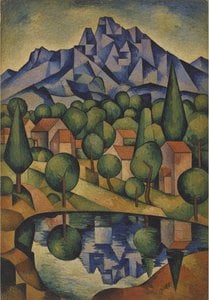
Explore the profound legacy of Paul Cézanne. Discover how his mastery of geometric forms and vibrant color bridged Impressionism and Cubism, offering timeless inspiration for fine art collectors and enthusiasts seeking to understand the foundations of modern art.

Trace the evolution of bottle still life from Van Gogh to Cézanne with expert analysis. Explore the mastery of light and form today.

Step into the haunting dreamscapes of Giorgio de Chirico. Explore 25 iconic Metaphysical paintings, from eerie shadows to surrealist enigmas. Find museum-quality art reproductions and timeless decor inspiration. Discover all masterpieces on WahooArt.com.
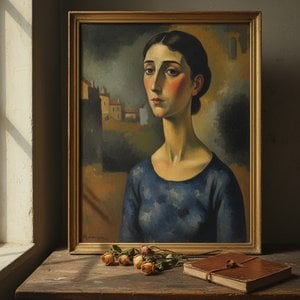
Delve into the haunting beauty of Amedeo Modigliani's portraits. Explore the intersection of Expressionism and Modernism through an expert analysis of his iconic elongated forms, melancholic gazes, and profound influence on art history.
 Previzualizare
 Trimite prin felicitare
 Distribuie
 Detalii despre lucrare
 Ghid
Ghid

 Descarcă imaginea
 Produse similare
 Radiografie
 Galerie foto
 Întrebări și răspunsuri
 Statistici


 Vezi mai mult









 Opțiunea cu sticlă este disponibilă doar pentru dimensiuni de sub 110 cm


