x
PrevizualizarePrevizualizare Previzualizare ARPrevizualizare AR Comandă printul Comandă printulCumpără imaginea Cumpără imaginea TrimiteTrimite
Detalii despre lucrareDetalii despre lucrare Adaugă la favorite Adaugă la favorite DescarcăDescarcă Produse similareProduse similare RadiografieRadiografie Diapozitive automateDiapozitive automate

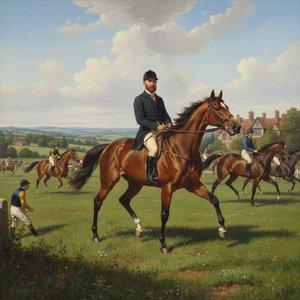
Classical Landscape with Gypsies

Explore John Wootton's masterpiece – ‘Classical Landscape with Gypsies’ (1748), commissioned by Sir James Dashwood for Kirtlington Park. Admire the vibrant depiction of aristocratic life and equestrian artistry.

John Wootton (1682-1764): Maestru al artei sportive și a peisajelor romantice britanice, cunoscut pentru portrete impresionante de cai și influența sa asupra pictorilor precum Gainsborough, consolidând estetica secolului XVIII.

Reproducere pictată manual în ulei

Pictură în ulei pe pânză, realizată manual de artiștii noștri la dimensiunea și ramele dorite de dumneavoastră, pe comandă. (Comandă printul Comandă printulCumpără imaginea Cumpără imaginea)

P118B $10
P118H $10
P118W $10
P438Z $10
P508JH $12
P508YH $12
P805H $10
P805Z $10
P919BZ $10
P919G $10
P919XJ $10
P959ZH $10
P968JZ $12
W106C $8
W218G $10
W218JH $8
W218Y $10
W307PJ $10
W316G $10
W316PJ $8
W316Y $10
W398PJ $8
W4111J $10
W500HY $15
W500JH $15
W692G $12
W849H $8
W940BG $15
W953PJ $8

Standard
personalizat
CM
INCH

Alegeți dintre dimensiunile noastre prestabilite, care respectă proporțiile originale ale operei de artă.

lățime
înălțime

Puteți introduce propriile dimensiuni pentru a se potrivi unui anumit cadru sau spațiu. Dacă dimensiunea selectată nu corespunde proporțiilor imaginii originale, vom decupa opera de artă sau vom extinde pictura cu elemente suplimentare pictate manual. O simulare digitală vă va fi trimisă pentru aprobare înainte de începerea producției.
Vă rugăm să rețineți că previzualizarea de pe ecran nu reflectă decuparea sau extinderea reală. Doar macheta va arăta cu exactitate compoziția finală.
Deși sunt disponibile dimensiuni personalizate, vă recomandăm să selectați o dimensiune din lista predefinită pentru a păstra proporțiile originale.

Exemple de elemente ce pot fi personalizate: Înlocuiți fața cu fotografia clientului; Adăugați un animal de companie (de exemplu, înlocuiți pisica cu un câine); Includeți un mesaj ascuns în fundal; Schimbați peisajul sau elementele din fundal.
După plasarea comenzii, echipa WahooArt.com va contacta clientul prin e-mail pentru instrucțiuni și îi va furniza o previzualizare a machetei

Livrare în întreaga lume () în 3-4 săptămâni, în loc de cele 5 săptămâni standard. (29 August). Fără compromisuri în ceea ce privește calitatea.

why_choose_icon
Livrare expres gratuită la nivel mondial
why_choose_icon
Pânză de in de înaltă calitate
why_choose_icon
Asigurare completă pentru transport
why_choose_icon
Garanție de rambursare a taxelor vamale
why_choose_icon
Garanția fidelității culorilor
why_choose_icon
Politica de retur în 60 de zile (doar pentru defecte)
why_choose_icon
Garanție de rambursare 100%
why_choose_icon
Ofertă pentru comenzi multiple

Preț total

$ 272

reproduction

Classical Landscape with Gypsies

Tehnică de reproducere

Dimensiune reproducere

-

Preț total calculat

$ 272

Informații rapide

  • Influences: Landscape Painting
  • Title: Classical Landscape with Gypsies
  • Notable elements or techniques: Detailed depiction of horses and figures
  • Year: 1748
  • Subject or theme: Rural Scene
  • Artistic style: Classical Landscape
  • Medium: Oil on canvas

A Pastoral Symphony: The Enchantment of Wootton’s Landscape

In the grand tapestry of eighteenth-century British art, few works capture the harmonious tension between aristocratic refinement and the untamed spirit of nature as gracefully as John Wootton’s "Classical Landscape with Gypsies." Executed in 1748, this monumental canvas serves as a breathtaking window into the Regency era's profound fascination with pastoral beauty. The scene unfolds not merely as a static depiction of countryside, but as a meticulously choreographed tableau where the rolling hills and muted greens of the English landscape provide a stage for a lively human narrative. As one gazes upon the composition, there is an immediate sense of entering a world where time slows down, inviting the viewer to wander through the atmospheric perspective and tonal gradations that Wootton mastered so exquisitely under the tutelage of Jan Wyck.

The painting’s subject matter strikes a delicate balance between the idyllic and the itinerant. At its heart, a gathering of gypsies moves through the landscape, their presence introducing a layer of nomadic vitality to the otherwise serene setting. This juxtaposition—the transient life of the travelers set against the permanent, stately backdrop of the countryside—was a hallmark of the era's artistic curiosity. The inclusion of horses, rendered with Wootton’s signature precision, further elevates the narrative; these noble creatures are not merely animals within the frame but symbols of status, freedom, and the deep-seated connection between the landed gentry and the natural world. For the discerning collector or interior designer, this piece offers a profound sense of movement and life, making it an ideal centerpiece for spaces that require a touch of historical grandeur and organic warmth.

Mastery of Brush and Light: The Technical Brilliance

To appreciate "Classical Landscape with Gypsies" is to witness the technical prowess of a pioneer of sporting art. Wootton’s technique eschews the rigid, clinical precision often found in academic painting of his time, opting instead for loose, expressive brushstrokes that imbue the canvas with palpable emotion and dynamism. One can almost feel the breeze moving through the scattered trees and sense the heat radiating from the sun-drenched hills. His ability to manipulate light and shadow creates a sense of depth that draws the eye inward, leading the viewer from the detailed interactions in the foreground—where figures converse and tend to their mounts—toward the hazy, distant horizons.

The color palette is a masterclass in subtlety, utilizing earthy browns, soft ochres, and deep forest greens to evoke a sense of timelessness. This restrained use of color ensures that the painting does not overwhelm a room but rather complements it, providing a sophisticated foundation for luxury decor. For those seeking to integrate fine art into a contemporary or classical interior, a high-quality reproduction of this work offers more than just decoration; it provides an infusion of historical soul. The way Wootton captures the texture of animal coats, the softness of the foliage, and the very atmosphere of the English afternoon makes this painting an enduring masterpiece that continues to inspire awe and tranquility in all who behold it.


Biografie artist

A Pioneer of Sporting Art: The Life and Legacy of John Wootton

John Wootton, born around 1686 in the quaint Warwickshire village of Snitterfield, near Stratford-upon-Avon, emerged as a pivotal figure in the development of British sporting art. While precise details of his early life remain somewhat elusive, it is believed he entered the service of the esteemed Beaufort family at a young age, an experience that likely fostered his deep connection to equestrian pursuits and the aristocratic world surrounding them. His artistic journey began with formal training under Jan Wyck during the 1690s, where he honed fundamental skills in draftsmanship and painting techniques – a foundation upon which he would build a remarkably successful career. Even in these early years, Wootton demonstrated an innate talent for capturing the essence of horses, as evidenced by his earliest known work, “Bonny Black” (1711), a piece that foreshadowed his future mastery of equine portraiture.

Early Life and Artistic Training

Little is known about Wootton’s formative years beyond his birthplace and familial connections. However, records indicate he received instruction from Jan Wyck, a Flemish painter renowned for his meticulous realism and masterful use of light and shadow – an influence that would permeate Wootton's artistic sensibilities throughout his career. This early exposure to Wyck’s techniques instilled in him a disciplined approach to observation and representation, shaping his subsequent stylistic choices. The Beaufort family’s patronage provided Wootton with invaluable resources for pursuing his artistic ambitions, allowing him to immerse himself in the burgeoning art scene of London.

Establishing a Reputation: Newmarket and Sporting Subjects

By 1706, Wootton had firmly established himself in London, quickly gaining recognition for his depictions of horses, particularly those gracing the renowned racing circuit at Newmarket. He wasn’t merely documenting these animals; he was capturing their spirit, their power, and their individual character with an unprecedented level of detail and sensitivity. This specialization brought him into close contact with Britain's elite – a patronage that included figures like George II and Frederick, Prince of Wales. Wootton actively engaged with the artistic community, subscribing to the first English Academy of Painting and Drawing in 1711 and later serving as a steward of the Virtuosi Club of St Luke’s by 1717, demonstrating his commitment to fostering artistic discourse and collaboration. It was at Newmarket that Wootton truly distinguished himself, producing canvases that celebrated the thrill of racing and captured the dynamism of equestrian competitions with breathtaking accuracy.

Innovation and Influences: The Ideal Landscape

Wootton's contribution extended beyond simply painting horses; he was a key figure in introducing what became known as the “ideal landscape” to British art – a style heavily influenced by artists like Gaspard Dughet (also known as Gaspar van Wittel). By incorporating classical elements into his landscapes, he offered a refreshing alternative to the prevailing Dutch and Flemish styles, laying the groundwork for future generations of British landscape painters, including Thomas Gainsborough. Wootton’s meticulous attention to detail—particularly in capturing atmospheric effects—became a hallmark of his oeuvre. He skillfully blended observation with idealized representation, creating vistas that conveyed both grandeur and tranquility.

Major Works and Legacy

Wootton's artistic style is characterized by meticulous detail, a realistic rendering of animals, and a harmonious blend of figure and landscape painting. He possessed an exceptional ability to observe and then idealize, creating works that were both aesthetically pleasing and reflective of the sporting culture of his time. His equine portraits are arguably his most celebrated achievement – paintings like “The Bloody-Shouldered Arabian” showcase not only technical skill but also a deep understanding of anatomy and character. Beyond individual horse portraits, Wootton excelled at depicting lively hunting scenes and equestrian activities, often incorporating "conversation pieces" that featured riders, hounds, and picturesque settings. These works weren’t simply records of events; they were carefully constructed narratives that captured the social dynamics and leisurely pursuits of the British aristocracy. His landscapes, while sometimes overshadowed by his animal paintings, demonstrate a refined understanding of perspective, composition, and atmospheric effects—a legacy that continues to inspire artists today. Works like “Viscount Weymouth’s Hunt” exemplify this skill, portraying aristocratic leisure with classic style and rich detail. He stands as a testament to the power of observation, innovation, and the enduring appeal of capturing the beauty and dynamism of both the natural world and the aristocratic pursuits that defined his era.
John Wootton

John Wootton

1682 - 1764 , Marea Britanie

Detalii rapide

  • Artistic Movement Or Style: Sporting art, Landscape
  • Artists Or Movements Influenced By This Artist: ['Thomas Gainsborough']
  • Artists Who Influenced This Artist:
    • Jan Wyck
    • Gaspard Dughet
  • Date Of Birth: c. 1686
  • Date Of Death: 1764
  • Full Name: John Wootton
  • Nationality: British
  • Notable Artworks:
    • Bonny Black
    • Before the hunt
    • The Bloody-Shouldered Arabian
  • Place Of Birth: Snitterfield, UK
Explorați opere de artă organizate pe teme, stiluri și caracteristici.