

Printuri giclée sau pe canvas de calitate muzeală, cu proces de producție rapid și opțiuni flexibile de finisare. ( Comandă pictură realizată manual Comută pe Imagine Digitală)





























Alegeți dintre dimensiunile noastre prestabilite, care respectă proporțiile originale ale operei de artă.

Introduceți lățimea și înălțimea necesare pentru a se potrivi ramei sau peretelui dumneavoastră. O printare poate fi doar tăiată, niciodată extinsă dincolo de dimensiunea imaginii originale, astfel încât o dimensiune cu o formă diferită va pierde o parte din imagine. Vă trimitem o simulare digitală pentru aprobare înainte de a imprima orice. Imaginea afișată pe această pagină nu prezintă tăierea reală — doar simularea arată acest lucru.
Livrare în întreaga lume () în 2 săptămâni, în loc de cele 4/5 săptămâni standard. (9 Noiembrie)
A Bedouin Arab
Dimensiune reproducere
John Singer Sargent's 1891 painting, “A Bedouin Arab,” is more than just a depiction of an individual; it’s a carefully constructed tableau brimming with the cosmopolitan sensibilities that defined the artist’s career and the anxieties of the late Victorian era. The subject, a Bedouin man rendered in meticulous detail, embodies a potent blend of exoticism and quiet strength. His posture – head tilted slightly, gaze fixed on some unseen point beyond the canvas – immediately draws the viewer into his world, inviting speculation about his thoughts and experiences.
Sargent’s technique is immediately recognizable: a masterful command of light and color that creates an almost palpable sense of texture. He employs loose, visible brushstrokes, particularly in the rendering of the Bedouin's robe and turban, suggesting both the weight of the fabric and the heat of the desert sun. The subtle gradations of tone – from the deep shadows clinging to the man’s face to the highlights catching on his turban – contribute significantly to the painting’s three-dimensionality. Notice how he uses broken color—small dabs of pigment rather than smooth blends—to build up the form, creating a shimmering effect that is characteristic of Sargent's style.
"A Bedouin Arab" was painted during a period of intense European fascination with the Orient, fueled by colonial expansion and burgeoning trade routes. The Bedouin figure represents more than just an ethnic group; he embodies the romanticized notion of the “noble savage,” a trope frequently explored in art and literature of the time. The inclusion of the two secondary figures – one to the left and another further back on the right – adds a layer of narrative ambiguity, perhaps suggesting a tribal gathering or a moment of quiet contemplation within a larger community. The patterned wall behind the subject serves not just as a backdrop but also as a visual echo of the Bedouin’s environment, reinforcing the painting's thematic concerns.
Sargent’s “A Bedouin Arab” possesses a quiet intensity that continues to resonate with viewers today. The subject's determined gaze, combined with the painting’s evocative atmosphere, invites us to contemplate themes of identity, resilience, and the enduring human connection to the natural world. This work exemplifies Sargent’s ability to capture not just physical likeness but also the inner character of his subjects – a skill that cemented his place as one of the most celebrated portrait painters of the Gilded Age. A hand-painted reproduction offers an unparalleled opportunity to experience the full impact of this remarkable artwork, bringing its beauty and complexity into your home or studio.
Din punct de vedere istoric, „A Bedouin Arab” este o operă Academic Realism din cadrul erei mai largi 19th Century.
Este disponibil un diaporama: pagina Galerie foto pentru "A Bedouin Arab" de John Singer Sargent.
Pagina Fișă informativă pentru "A Bedouin Arab" de John Singer Sargent oferă o fișă informativă imprimabilă în două pagini: opera de artă însoțită de tabelul său de identificare, o bandă decenală care o plasează în intervalul de viață al artistului, alte lucrări ale acestuia, paleta de culori extrasă din imagine și citări gata de copiat în patru stiluri diferite.


1856 - 1925 , Italia
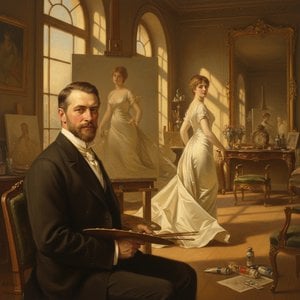
Discover the luminous mastery of John Singer Sargent. Explore an expert analysis of his legendary light, Gilded Age elegance, and technical brilliance, perfect for fine art enthusiasts seeking to bring timeless classical beauty into their modern collections.

Discover the breathtaking elegance of John Singer Sargent's masterpieces. From iconic Gilded Age portraits to impressionistic landscapes, explore the technical brilliance and timeless allure of this American master through our premium, hand-painted fine art reproductions.
 Previzualizare
 Trimite prin felicitare
 Distribuie
 Detalii despre lucrare
 Ghid
Ghid

 Descarcă imaginea
 Produse similare
 Radiografie
 Galerie foto
 Întrebări și răspunsuri
 Statistici

 Vezi mai mult









 Opțiunea cu sticlă este disponibilă doar pentru dimensiuni de sub 110 cm


