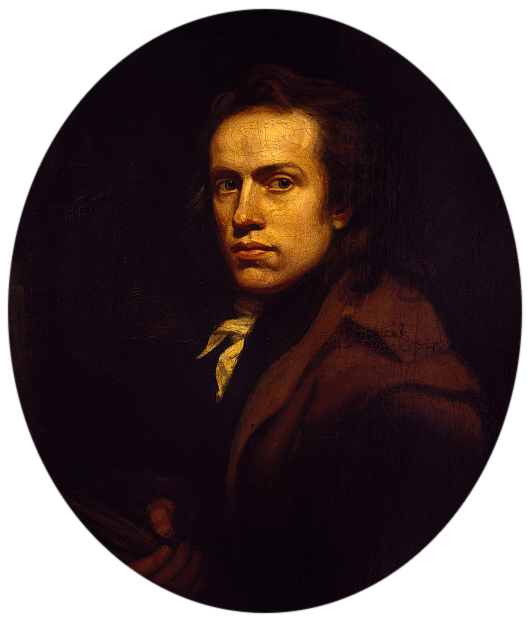
Biografie artist
Ascensiunea unui prodigiu din Cornwall: Viața și arta lui John Opie
John Opie, născut în mediul umil al căsuței Harmony Cottage, Trevellas, Cornwall, în 1761, a devenit una dintre cele mai remarcabile figuri artistice ale generației sale. Povestea sa este o narațiune captivantă despre un talent brut cultivat în ciuda tuturor obstacolelor, ridicându-se din rolul de fiu al unui tâmplar pentru a deveni un portraitist și pictor de istorie celebru, academician regal și o voce influentă în lumea artei britanice. Primele sale ani de viață au fost marcați de o aptitudine precoce atât pentru desen, cât și pentru matematică – o dualitate care, probabil, i-a influențat abordarea meticuloasă a compoziției și formei. Chiar și încă din copilărie, a dat dovadă de un spirit independent, înființând o școală de seară pentru a le preda cititul, scrisul și aritmetica copiilor locali, în timp ce stăpânea simultan geometria lui Euclid. Această foame de cunoaștere, însoțită de inclinația sa artistică, s-a lovit inițial de rezistența tatălui său, care a insistat pe un apprentisat în tâmplărie. Totuși, soarta a intervenit sub forma doctorului John Wolcot, cunoscut drept Peter Pindar, un medic și satirist a cărui privire pătrunzătoare a recunoscut potențialul extraordinar din tânărul Opie.
Mentoratul, Londra și patronajul regal
Wolcot a devenit marele susținător al lui Opie, asigurându-i eliberarea de la ucenicia de tâmplar și oferindu-i îndrumare neprețuită, încurajări și introduceri esențitate. Acest mentorat s-a dovedit crucial în lansarea carierei lui Opie. În 1781, au călătorit împreună la Londra, unde Wolcot l-a prezentat cu ingeniozitate pe Opie ca fiind un prodigiu autodidact – o „minune din Cornwall” neatingută de o instruire artistică formală. Această narațiune a cucerit scena artistică londoneză, atrăgând comparații cu maeștri precum Caravaggio și Velázquez, venite chiar de la Sir Joshua Reynolds. Succesul inițial a fost rapid și strălucitor. Comenziile au început să curgă din abundență, inclusiv portrete ale unor membri ai familiei regale britanice — printre ei Ducul și Duchessa Gloucester, Lady Salisbury și Mary Delany. Rezidența lui Opie pe Castle Street a devenit un punct de întâlnire al societății sofisticate, talentul său impunându-și atenția și admirația. Totuși, parteneriatul cu Wolcot s-a dizolvat în cele din urmă, pe măsură ce Opie și-a afirmat independența, căutând să își traceze propriul drum fără constrângerile acordului lor de partajare a profiturilor. Această perioadă i-a consolidat reputația, consacrându-l ca un portraitist de prim rang, capabil să surprindă nu doar asemănarea fizică, ci și caracterul și statutul social al modelelor sale.
Dincolo de portraitism: Pictura istorică și recunoașterea academică
Deși inițial celebrat pentru portretele sale, Opie plănuia ambiții care depășeau simpla înregistrare a chipurilor elitei. Își dorea să se implice în mari narațiuni istorice, căutând să se impună ca un pictor de subiecte semnificative. Această ambiție l-a condus spre explorarea picturii istorice, culminând cu lucrări precum *Asasinarea lui James I* (1lag 1786) și *Omorârea lui Rizzio* (1787). Aceasta din urmă s-a dovedit a fi deosebit de impactantă, aducându-i alegerea imediată ca membru asociat al Academiei Regale și membru cu drepturi întregi în anul următor. Aceste picturi istorice au demonstrat o stăpânire tot mai mare a compoziției, a luminii dramatice — adesea amintitoare de Rembrandt — și un angajament de a transmite intensitatea emoțională. Devotamentul lui Opie față de meseria sa s-a extins dincolo de pictură; el a căutat activ să își lărgească orizonturile intelectuale prin studiul latinului, al literaturii franceze și prin participarea în cercuri sociale cultivate. De asemenea, s-a implicat profund în Galeria Shakespeare a lui John Boydell, creând cinci picturi inspirate din piesele Bardului, consolidându-și astfel poziția în cadrul instituției artistice.
O moștenire a artei și a gândirii
Ultimele sale ani de viață au fost marcați atât de succes profesional, cât și de provocări personale. Prima sa căsnicie s-a dovedit a fi nefericită, terminându-se prin divorț în 1796. Totuși, a găsit fericirea durabilă alături de Amelia Alderson, o scriitoare și aboloniționistă, cu care s-a căsătorit în 1798. Parteneriatul lor a încurajat sprijinul reciproc și stimularea intelectuală. În 1805, Opie a fost numit Profesor de Pictură la Academia Regală, o dovadă a statutului său în lumea artei. Lecțiile sale, susținute în 1806 și publicate postmortem în 1809 împreună cu o amintire scrisă de Amelia, au dezvăluit o minte reflexivă și articulată, profund implicată în principiile creației artistice. El a susținut formarea unei galerii naționale — o idee vizionară care avea să devină realitate — și a oferit comentarii perspicace despre starea artei britanice. Moartea prematură a lui John Opie, în aprilie 1807, la vârsta de 46 de ani, a întrerupt o carieră promițătoare, însă moștenirea sa persistă. El a lăsat în urmă un corpus substanțial de lucrări — peste 500 de portrete și 250 de alte picturi — care oferă o privire fascinantă asupra peisajului social și cultural al Marii Britanii de la sfârșitul secolului al XVIII-lea și începutul secolului al XIX-lea. El rămâne o figură semnificativă în istoria artei britanice, celebrat pentru abilitatea sa tehnică, portraitismul său profund și contribuțiile sale la discursul artistic.



 Previzualizare
 Comută pe versiunea Print
 Trimite prin felicitare
 Distribuie
 Detalii despre lucrare
 Ghid
Ghid

 Descarcă imaginea
 Produse similare
 Radiografie
 Galerie foto
 Statistici


 Vezi mai mult