x
PrevizualizarePrevizualizare Previzualizare ARPrevizualizare AR Comandă pictură lucrată manual Comandă pictură lucrată manualCumpără imaginea Cumpără imaginea TrimiteTrimite
Detalii despre lucrareDetalii despre lucrare Adaugă la favorite Adaugă la favorite DescarcăDescarcă Produse similareProduse similare RadiografieRadiografie Diapozitive automateDiapozitive automate

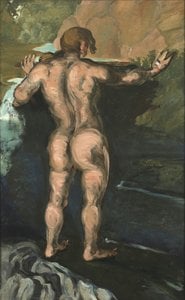
The Crucifixion

Experience John Kyffin Williams’ powerful 'Crucifixion' (1960). This evocative oil painting captures intense emotion through fragmented forms & dark tones, reflecting Welsh landscape art.

John Kyffin Williams (1918-2006): pictor emblematic al peisajului galez, renumit pentru tablourile sale impasto cu teme din Wales și Patagonia. RA, OBE, KBE - un artist de referință a culturii britanice.

Giclée / Imprimare artistică

Printuri giclée sau pe canvas de calitate muzeală, cu proces de producție rapid și opțiuni flexibile de finisare. (Comandă pictură lucrată manual Comandă pictură lucrată manualCumpără imaginea Cumpără imaginea)

P118B $10
P118H $10
P118W $10
P438Z $10
P508JH $12
P508YH $12
P805H $10
P805Z $10
P919BZ $10
P919G $10
P919XJ $10
P959ZH $10
P968JZ $12
W106C $8
W218G $10
W218JH $8
W218Y $10
W307PJ $10
W316G $10
W316PJ $8
W316Y $10
W398PJ $8
W4111J $10
W500HY $15
W500JH $15
W692G $12
W849H $8
W940BG $15
W953PJ $8

Standard
personalizat
CM
INCH

Alegeți dintre dimensiunile noastre prestabilite, care respectă proporțiile originale ale operei de artă.

lățime
înălțime

Puteți introduce propriile dimensiuni pentru a se potrivi unui anumit cadru sau spațiu. Dacă dimensiunea selectată nu corespunde proporțiilor imaginii originale, vom decupa lucrarea de artă sau vom extinde imaginea cu margini oglindite sau cu o culoare uniformă. Un mockup digital va fi trimis pentru aprobarea dumneavoastră înainte de începerea producției.
Vă rugăm să rețineți că previzualizarea de pe ecran nu reflectă decuparea sau extinderea reală. Doar mockup-ul va arăta cu exactitate compoziția finală.
Deși dimensiunile personalizate sunt disponibile, vă recomandăm să selectați o dimensiune din lista predefinită pentru a păstra proporțiile originale.

Livrare în întreaga lume () în 2 săptămâni, în loc de cele 4/5 săptămâni standard. (2 Septembrie)

why_choose_icon
Livrare expres gratuită la nivel mondial
why_choose_icon
Pânză de in de înaltă calitate
why_choose_icon
Asigurare completă pentru transport
why_choose_icon
Garanție de rambursare a taxelor vamale
why_choose_icon
Garanția fidelității culorilor
why_choose_icon
Politica de retur în 60 de zile (doar pentru defecte)
why_choose_icon
Garanție de rambursare 100%
why_choose_icon
Ofertă pentru comenzi multiple

Preț total

$ 68

reproduction

The Crucifixion

Giclée / Imprimare artistică

Dimensiune reproducere

-

Preț total calculat

$ 68

Informații rapide

  • Artistic style: Abstract Expressionism
  • Subject or theme: Religious suffering
  • Location: Oriel Plas Glyn y Weddw
  • Influences: Waterhouse
  • Title: The Crucifixion
  • Movement: Welsh Landscape
  • Notable elements: Impasto technique

Test de cultură artistică

Fiecare întrebare are un singur răspuns corect.

Întrebare 1:
What is the primary subject depicted in John Kyffin Williams’ ‘The Crucifixion’?
Întrebare 2:
In what year was ‘The Crucifixion’ painted?
Întrebare 3:
What artistic movement is most closely associated with John Kyffin Williams’ style, as evidenced by the use of thick impasto?
Întrebare 4:
Where is ‘The Crucifixion’ currently housed?
Întrebare 5:
What is a key characteristic of Kyffin Williams’ use of color in this painting?

A Vision of Suffering and Serenity: Kyffin Williams’ “The Crucifixion”

Sir John “Kyffin” Williams, a name inextricably linked with the soul of Wales, wasn't merely a painter; he was a translator of landscapes, emotions, and the very spirit of his homeland. Born in Llangefni, Anglesey, in 1918, his life unfolded against the backdrop of a nation grappling with identity and heritage – a tension that profoundly shaped his artistic vision. While often categorized as a landscape artist, Williams’ oeuvre reveals a deeply personal engagement with themes of faith, mortality, and the enduring beauty found within hardship. “The Crucifixion,” painted in 1960, exemplifies this complex interplay, offering not a literal depiction of the biblical event but rather an intensely felt meditation on suffering, sacrifice, and ultimately, a quiet sense of serenity.

A Fragmented Landscape, A Distorted Figure

The painting immediately commands attention with its unconventional composition. It’s not a grand, theatrical scene; instead, it presents a fragmented landscape dominated by a dark, brooding sky – a palpable representation of the emotional weight of the subject matter. The central figure of Christ on the cross is rendered in an almost abstracted manner, his form partially obscured by the surrounding elements. Williams employs a bold, impasto technique, layering thick strokes of oil paint to create a textured surface that seems to vibrate with energy. This physicality mirrors the intensity of the scene, conveying both the violence and the profound sorrow associated with the crucifixion. The use of muted tones – deep blues, browns, and greys – contributes to the painting’s somber mood, while subtle hints of light suggest a glimmer of hope amidst the darkness.

Technique and Influences: Bridging Abstraction and Tradition

Williams' distinctive style evolved over his long career, drawing inspiration from both traditional landscape painting and emerging abstract expressionism. He was deeply influenced by artists like Piero della Francesca, whose use of light and shadow to create a sense of depth and drama is evident in “The Crucifixion.” However, Williams departs significantly from the Renaissance master’s idealized forms, opting for a more fragmented and emotionally charged approach. The influence of abstract expressionism can be seen in the painting's loose brushwork and emphasis on conveying feeling rather than precise representation. He was also heavily influenced by his time spent in Patagonia, where he painted dramatic landscapes under the intense light of the Southern Hemisphere, which informed his use of color and texture.

Symbolism and Spiritual Depth

Beyond its formal qualities, “The Crucifixion” is rich in symbolic meaning. The fragmented landscape can be interpreted as a reflection of Christ’s brokenness and suffering, while the dark sky represents the overwhelming weight of sin and death. Yet, despite the bleakness of the scene, there's an underlying sense of peace and acceptance. Some art historians suggest that Williams was exploring themes of redemption and forgiveness through this work. The painting isn’t about glorifying violence; it’s about confronting the uncomfortable realities of human existence and finding solace in faith. The absence of explicit religious iconography – no halo, no crown of thorns – invites viewers to engage with the painting on a deeply personal level, prompting contemplation about the nature of suffering, sacrifice, and the possibility of transcendence.

A Legacy of Welsh Art: Kyffin Williams’ Enduring Impact

Sir John Kyffin Williams remains one of Wales' most celebrated artists, his work profoundly shaping the landscape of modern British art. His ability to capture the essence of the Welsh countryside while simultaneously exploring complex emotional and spiritual themes is a testament to his artistic genius. “The Crucifixion” stands as a powerful example of this talent, offering viewers a glimpse into the soul of a man deeply connected to his land and his faith. Today, his paintings are exhibited in galleries across Wales and beyond, ensuring that his legacy continues to inspire and move audiences for generations to come. Reproductions of this evocative piece offer a tangible connection to Williams’ profound vision, allowing others to experience the quiet power of his artistic expression.

Biografie artist

A Defining Voice of Welsh Landscape

Sir John “Kyffin” Williams, a name inextricably linked to the very essence of Wales, stands as one of the most significant figures in 20th-century British art. More than just a painter, he was a cultural chronicler, an interpreter of the rugged beauty and profound emotional depth of his homeland—a storyteller who translated its landscapes onto canvas with unparalleled skill and sensitivity. Born in Llangefni, on the Isle of Anglesey, in 1918, Williams’s life journey mirrored the textured complexity of the Welsh terrain itself: a blend of quiet resilience, unexpected challenges, and an unwavering dedication to capturing the spirit of his birthplace. His connection to Wales wasn't merely geographical; it was deeply ingrained within his being—a heritage nurtured by family history and shaped by early experiences that would ultimately fuel his artistic vision.

Early Life and Unexpected Challenges

Williams’s path to becoming Wales’s foremost artist wasn’t paved with ease or certainty. Educated initially at Moreton Hall School near Chirk and later at Shrewsbury, a period marked by feelings of isolation and dissatisfaction, his life took an unexpected turn following a bout of polio encephalitis in 1924. This illness left him with epilepsy, a condition that would profoundly impact his life and, paradoxically, become a catalyst for artistic exploration. Doctors advised him to pursue art as a form of therapy—a suggestion that proved transformative. It was during this period that he encountered the works of Piero della Francesca, an encounter that ignited within him a lifelong passion for capturing light, atmosphere, and emotion on canvas. A brief but formative stint in the 6th Battalion Royal Welch Fusiliers was cut short due to his medical condition, yet it wasn’t a detour; rather, it provided a temporary respite before he enrolled at London's Slade School of Fine Art during its wartime relocation to Oxford. At the Slade, under the guidance of influential figures like Randolph Schwabe and Allan Gwynne-Jones, Williams honed his technical skills and developed his distinctive style—a style characterized by bold brushstrokes, rich colors, and a masterful use of impasto. He won the prestigious Slade Portrait Prize in 1944, a remarkable achievement that established him as a promising young artist. The war years brought further challenges, including the loss of friends and colleagues, but also deepened his commitment to art as a means of understanding and expressing the human condition.

Teaching, Travel, and Artistic Evolution

Following his time at the Slade, Williams dedicated many years to teaching art at Highgate School in London from 1944 until 1973—a role that not only sustained him financially but also allowed him to nurture the artistic talents of countless young students. However, it was a Winston Churchill Fellowship awarded in 1968 that dramatically shifted the trajectory of his artistic life. This opportunity enabled him to travel to Y Wladfa, the Welsh settlement in Patagonia—a remote and windswept region in Argentina—an experience that profoundly shaped his palette, subject matter, and overall artistic vision. The vast, dramatic landscapes of Patagonia, so strikingly different yet echoing the spirit of Wales, infused his work with a new sense of scale, light, and emotional intensity. He meticulously documented this journey through paintings, sketches, and a compellingly anecdotal book titled “Across the Straits.”

Technique, Themes, and Recognition

Kyffin Williams’s artistic technique was instantly recognizable—a bold departure from traditional landscape painting. He employed thick oil paint applied with a palette knife, creating textured surfaces that seemed to shimmer with light and movement. This wasn't merely a stylistic choice; it was a deliberate attempt to capture the ruggedness of the Welsh mountains, the weight of its history, and the emotional resonance of its landscapes. His subjects ranged from intimate portraits of rural life to sweeping vistas of Snowdonia National Park, capturing both the grandeur and the quiet beauty of Wales. He also explored the evocative atmosphere of Venice, Italy, translating the city’s light, color, and architectural details onto canvas with remarkable sensitivity. Throughout his career, Williams received numerous accolades—an OBE in 1982 and a KBE in 1999 for his contributions to the arts in Wales—testaments to his enduring influence and artistic merit.

A Lasting Legacy

Sir John Kyffin Williams’s legacy extends far beyond the canvases he created. He was a cultural ambassador, a chronicler of Welsh identity, and an inspiration to generations of artists. His paintings continue to resonate with viewers today, evoking a sense of place, history, and emotional depth—a testament to his extraordinary talent and unwavering dedication to capturing the soul of Wales. The Oriel Ynys Môn on Anglesey houses a permanent exhibition dedicated to his work, ensuring that his artistic vision will be cherished and celebrated for years to come. Kyffin Williams wasn’t simply a painter; he was a poet of the landscape—a master who transformed the beauty of Wales into enduring works of art.

John Kyffin Williams

John Kyffin Williams

1918 - 2006 , Marea Britanie

Detalii rapide

  • Artistic Movement Or Style: Pictură de peisaj
  • Artists Or Movements Influenced By This Artist: ['Artă modernă']
  • Artists Who Influenced This Artist: ['Piero della Francesca']
  • Date Of Birth: 1918
  • Date Of Death: 2006
  • Full Name: John Kyffin Williams
  • Nationality: Welsh
  • Notable Artworks:
    • Storm Approaching
    • View from Pwllfanogl
  • Place Of Birth: Llangefni, UK
Explorați opere de artă organizate pe teme, stiluri și caracteristici.