CONSULTAȚIE GRATUITĂ ÎN ARTE VIZUALE

x
Comandă tipăritul Comandă tipăritulComandă reproducere pictată Comandă reproducere pictată TrimiteTrimite
DetaliiDetalii Adaugă la favorite Adaugă la favorite DescarcăDescarcă SimilareSimilare Raze XRaze X DiaporamaDiaporama

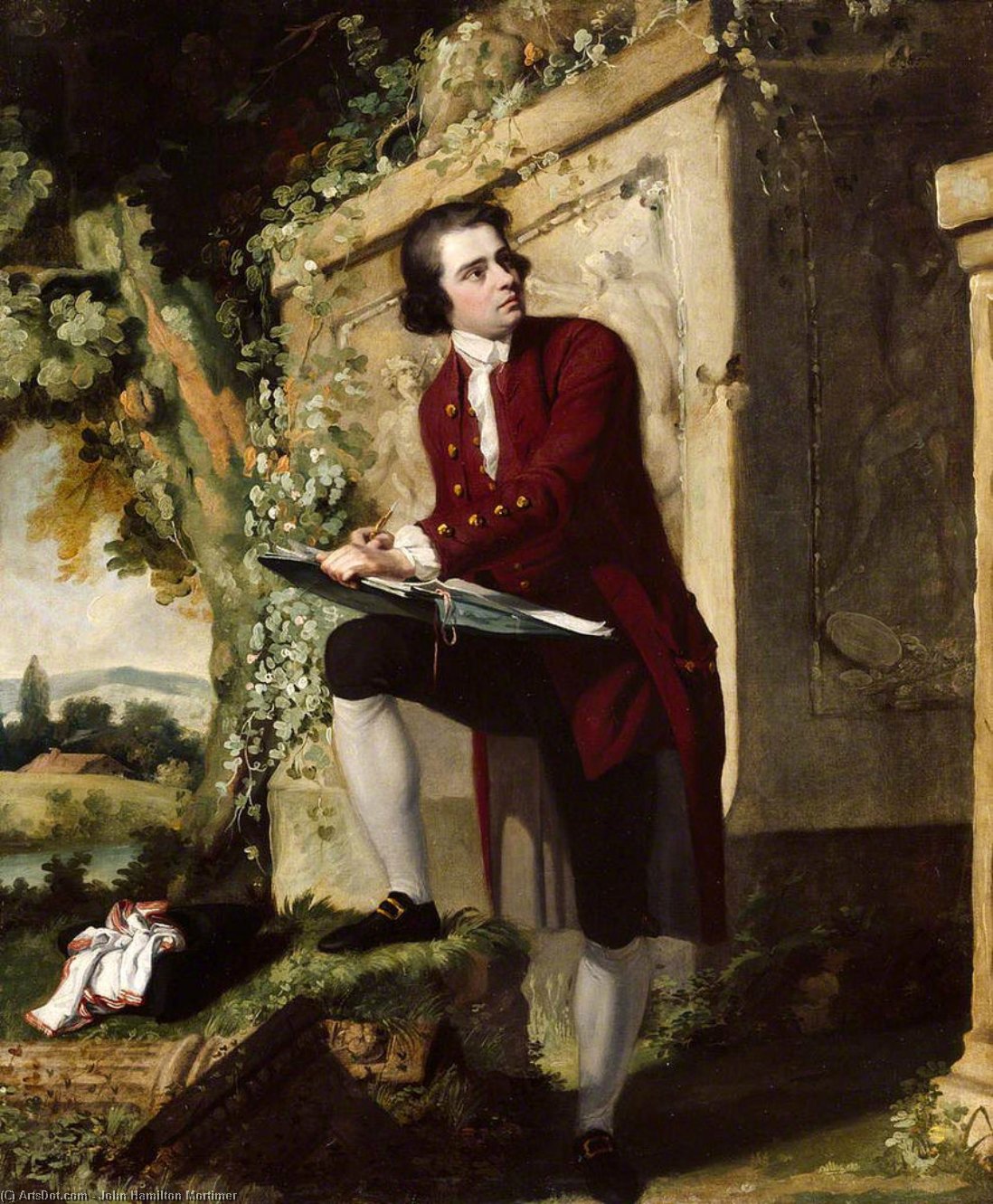
Self Portrait

John Hamilton Mortimer (1740-1779) a fost un pictor britanic celebru pentru peisaje italiene romantice, scene militare dramatice inspirate de Salvator Rosa și picturi istorice impresionante. Primul Astronom Regal al Marii Britanii.

Achiziționați o imagine digitală îmbunătățită și de înaltă rezoluție, mult superioară previzualizării online.

Fiecare fișier este pregătit cu meticulozitate de specialiștii noștri interni, utilizând instrumente avansate și retușare manuală expertă. Ne asigurăm că fiecare imagine beneficiază de o claritate excepțională, o acuratețe precisă a culorilor și detalii fine.

Fișierul final este livrat prin e-mail în termen de 72 de ore, optimizat pentru utilizare imediată în medii profesionale, editoriale și de imprimare. Aceasta este aceeași calitate în care au încredere studiouri de design, edituri și galerii de top.

Imagine Digitală

Descărcați un fișier la rezoluție înaltă pentru afișare personală, imprimare și proiecte creative.

Preț total

$9.99

Inclus în fiecare comandă de imagini digitale

Livrare digitală de expertiză, garantată

Când alegeți WahooArt.com, nu primiți doar o simplă imagine – primiți o operă de artă digitală îmbunătățită profesional, creată cu precizie și susținută de o garanție de satisfacție. Iată tot ceea ce primești odată cu comanda ta, în mod automat:

shipping_icon
Livrare rapidă prin e-mail

Fișierul imaginii digitale la rezoluție înaltă vă va fi trimis prin e-mail în termen de 72 de ore de la finalizarea comenzii – gata pentru utilizare imediată.

canvas_icon
Fișier digital optimizat prin IA

Opera ta de artă este optimizată profesional prin intermediul unor instrumente AI avansate și al editării manuale, asigurând un nivel maxim de detalii, claritate și acuratețe a culorilor.

insurance_icon
Retransmitere gratuită pe viață

Ai șters sau ai pierdut din greșeală fișierul? Nu îți face griji – ți-l vom retrimite oricând, gratuit.

tax_icon
Fără taxe de import – Întotdeauna

Bucură-te instant de opera ta de artă, fără taxe vamale, taxe de import sau costuri de livrare – descărcările digitale sunt întotdeauna fără taxe.

color_icon
Garanția acurateței culorilor

Asigurăm că imaginea ta digitală reflectă culorile originale cât mai fidel posibil, utilizând instrumente profesionale și procese de gestionare a culorii.

return_icon
Garanție de satisfacție de 60 de zile

Dacă nu sunteți mulțumit de imaginea digitală achiziționată, o vom revizui sau vă vom returna 100% în termen de 60 de zile – fără nicio explicație necesară.

guarantee_icon
Garanție de returnare 100% a banilor

Nu ești mulțumit? Obține o rambursare completă în termen de 60 de zile de la primirea fișierului tău digital – fără întrebări.

discount_icon
Reduceri pentru comenzi multiple

Cumpără 3 imagini, economisește 10% - Cumpără 5, economisește 15% - Cumpără 10+, economisește 20%. Ideal pentru proiecte creative, galerii și agenții.


Biografie Artist

John Hamilton Mortimer (1740–1779): A Life Painted in Romantic Hues

John Hamilton Mortimer, a name perhaps less instantly recognizable than his contemporaries like Reynolds or Wright of Derby, nevertheless occupies a significant and fascinating niche within the landscape of 18th-century British art. His brief but intensely productive life—he died at just thirty-nine years old—was marked by artistic ambition, a restless spirit, and an evolving style that mirrored the shifting tastes of his era. His father, Thomas Mortimer, was a customs officer with mercantile interests, providing a stable if unremarkable background for a young man destined to pursue a path steeped in creativity. By 1757, Mortimer had already gravitated towards London, enrolling at the Duke of Richmond’s Academy, where he forged a lifelong friendship with Joseph Wright, a bond that would prove mutually supportive throughout their careers. This early immersion into the artistic milieu fostered not only technical skill but also an awareness of the burgeoning intellectual currents shaping British art. He studied alongside other promising talents like Thomas Jones and William Pars at St Martin’s Lane Academy, further honing his abilities under the tutelage of masters such as Cipriani, Robert Edge Pine, and Sir Joshua Reynolds himself.

Early Influences and Artistic Training

Mortimer's formative years were characterized by a dedication to classical principles. He began his artistic education at the Duke of Richmond’s Academy in London, where he honed his drawing skills alongside fellow students like Joseph Wright and Thomas Jones—artists who would profoundly influence his subsequent stylistic choices. The Academy instilled in him not only technical proficiency but also an appreciation for the grandeur and idealism of Greco-Roman art, shaping his understanding of composition and perspective. His studies extended beyond mere imitation; he actively sought guidance from established masters such as Giovanni Battista Cipriani and Robert Edge Pine, absorbing their techniques and philosophies. Notably, Sir Joshua Reynolds himself served as a mentor, imparting invaluable insights into the principles of portraiture and artistic expression—a relationship that would prove crucial to Mortimer’s development as an artist.

From History to Bandits: The Evolution of a Style

Mortimer's initial successes came with prize-winning studies after Michelangelo and life drawings, establishing a foundation in classical traditions. He quickly gained recognition for his historical paintings, most notably *St Paul Preaching to the Ancient Druids in Britain*, which remains housed in the Guildhall at High Wycombe. These works demonstrated a commitment to narrative and an ability to capture dramatic moments—qualities that would become hallmarks of his oeuvre. However, Mortimer was not content with simply replicating established styles; he possessed a keen sensitivity to changing aesthetic preferences. The influence of Salvator Rosa, the 17th-century Neapolitan painter celebrated for his wild, untamed scenes of outlaws and dramatic landscapes, became particularly significant during this period. Rosa’s emphasis on emotion and spontaneity resonated deeply with Mortimer's artistic sensibilities, prompting him to explore more masculine and even criminal themes—a departure from the prevailing elegance of the era. This fascination with darker subjects reflected a broader trend towards Romanticism, foreshadowing the artistic movements that would dominate the following century. He even created an etching after Rosa’s self-portrait, demonstrating his admiration for the artist's expressive style.

Collaborative Spirit and Artistic Leadership

Mortimer wasn’t solely a solitary painter; he actively engaged in collaborative projects with fellow artists. He frequently contributed figure work to compositions by others, notably assisting Thomas Jones on ambitious canvases like *A Land Storm, with the Story of Dido and Aeneas*, *The Death of Orpheus*, and a pair of paintings inspired by Milton’s *Allegro* and *Penseroso*. These collaborations underscored his versatility and willingness to contribute his skills to larger artistic endeavors. His talent was also sought after for decorative schemes; from 1770 to 1773, he played a key role in the decoration of the saloon at Brocket Hall, Hertfordshire, working alongside Francis Wheatley and James Durno—artists who shared his commitment to innovation and stylistic experimentation. In 1774, Mortimer reached a pinnacle of his career when he was elected President of the Society of Artists—a testament to his standing within the artistic community and affording him considerable influence over artistic discourse during a period of transformative change.

A Legacy Tempered by Early Loss

Despite his successes, Mortimer’s career tragically ended prematurely. His marriage to Jane Hurrel in 1775 appears to have impacted his artistic output, and he succumbed to an undocumented illness on February 4th, 1779—leaving behind a body of work that continues to captivate scholars and art enthusiasts alike. Though he exhibited at the Royal Academy in 1778—showing five works including *Sir Arthegal* and bandit scenes—and was elected an Associate shortly before his death, his potential remained largely unrealized. Criticism from Horace Walpole regarding Mortimer’s perceived lack of originality served as a sobering reminder that artistic achievement is often fleeting. Nevertheless, John Hamilton Mortimer's paintings—characterized by their dramatic compositions, expressive brushwork, and exploration of complex themes—offer a compelling glimpse into the artistic sensibilities of his time—a testament to his enduring contribution to British art history.
John Hamilton Mortimer

John Hamilton Mortimer

1740 - 1779 , Regatul Marii Britanii

Detalii rapide

  • Artistic Movement Or Style: Romanticism
  • Artists Or Movements Influenced By This Artist: ['Joseph Wright']
  • Artists Who Influenced This Artist: ['Salvator Rosa']
  • Date Of Birth: 17 Septembrie 1740
  • Date Of Death: 4 Februarie 1779
  • Full Name: John Hamilton Mortimer
  • Nationality: Britanic
  • Notable Artworks: ['St Paul Preaching to the Ancient Druids în Britanie']
  • Place Of Birth: Eastbourne, Anglia