PrevizualizarePrevizualizare Previzualizare ARPrevizualizare AR Comută pe Print Comută pe PrintComută pe Imagine Digitală Comută pe Imagine Digitală TrimiteTrimite
Detalii despre lucrareDetalii despre lucrare Adaugă la favorite Adaugă la favorite DescarcăDescarcă Produse similareProduse similare RadiografieRadiografie Diapozitive automateDiapozitive automate StatisticiStatistici

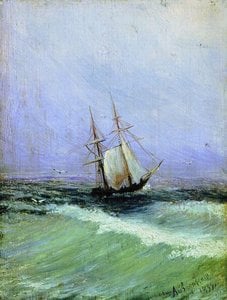
Shipwreck.

Experience Ivan Aivazovsky’s dramatic Romantic seascape masterpiece—'Shipwreck,' capturing turbulent seas and heroic riders amidst a devastating maritime disaster. Explore this iconic 1876 painting and discover exquisite handmade oil reproductions at WahooArt.

Ivan Aivazovsky: Maestru al artei marine românești, capturând esența mării cu emoție și dramatism. Peisaje spectaculoase, scene de război naval și o legătură profundă cu natura.

Reproducere pictată manual în ulei

Pictură în ulei pe pânză, realizată manual de artiștii noștri la dimensiunea și ramele dorite de dumneavoastră, pe comandă. (Comută pe Print Comută pe PrintComută pe Imagine Digitală Comută pe Imagine Digitală)

P118B $10
P118H $10
P118W $10
P438Z $10
P508JH $12
P508YH $12
P805H $10
P805Z $10
P919BZ $10
P919G $10
P919XJ $10
P959ZH $10
P968JZ $12
W106C $8
W218G $10
W218JH $8
W218Y $10
W307PJ $10
W316G $10
W316PJ $8
W316Y $10
W398PJ $8
W4111J $10
W500HY $15
W500JH $15
W692G $12
W849H $8
W940BG $15
W953PJ $8

Standard
personalizat
CM
INCH

Alegeți dintre dimensiunile noastre prestabilite, care respectă proporțiile originale ale operei de artă.

lățime
înălțime

Puteți introduce propriile dimensiuni pentru a se potrivi unui anumit cadru sau spațiu. Dacă dimensiunea selectată nu corespunde proporțiilor imaginii originale, vom decupa opera de artă sau vom extinde pictura cu elemente suplimentare pictate manual. O simulare digitală vă va fi trimisă pentru aprobare înainte de începerea producției.
Vă rugăm să rețineți că previzualizarea de pe ecran nu reflectă decuparea sau extinderea reală. Doar macheta va arăta cu exactitate compoziția finală.
Deși sunt disponibile dimensiuni personalizate, vă recomandăm să selectați o dimensiune din lista predefinită pentru a păstra proporțiile originale.

Exemple de elemente ce pot fi personalizate: Înlocuiți fața cu fotografia clientului; Adăugați un animal de companie (de exemplu, înlocuiți pisica cu un câine); Includeți un mesaj ascuns în fundal; Schimbați peisajul sau elementele din fundal.
După plasarea comenzii, echipa WahooArt.com va contacta clientul prin e-mail pentru instrucțiuni și îi va furniza o previzualizare a machetei

Livrare în întreaga lume () în 3-4 săptămâni, în loc de cele 5 săptămâni standard. (11 Septembrie). Fără compromisuri în ceea ce privește calitatea.

why_choose_icon
Livrare expres gratuită la nivel mondial
why_choose_icon
Pânză de in de înaltă calitate
why_choose_icon
Asigurare completă pentru transport
why_choose_icon
Garanție de rambursare a taxelor vamale
why_choose_icon
Garanția fidelității culorilor
why_choose_icon
Politica de retur de 100 de zile (doar pentru defecte)
why_choose_icon
Garanție de rambursare 100%
why_choose_icon
Ofertă pentru comenzi multiple

Preț total

$ 272

reproduction

Shipwreck.

Tehnică de reproducere

Dimensiune reproducere

-

Preț total calculat

$ 272

Informații rapide

  • Notable elements or techniques: Translucent water rendering
  • Influences: Romanticism
  • Subject or theme: Maritime disaster
  • Medium: Oil on canvas
  • Title: Shipwreck.
  • Dimensions: 136 x 170 cm
  • Year: 1876

Test de cultură artistică

Fiecare întrebare are un singur răspuns corect.

Întrebare 1:
What artistic movement is Ivan Aivazovsky’s Shipwreck primarily associated with?
Întrebare 2:
The painting depicts a dramatic maritime scene featuring what prominent element?
Întrebare 3:
What technique is Aivazovsky particularly known for when portraying water?
Întrebare 4:
Where can visitors see a significant collection of Aivazovsky's artworks?
Întrebare 5:
What is a key characteristic that contributes to the painting's sense of movement and urgency?

A Symphony of Storm and Resilience: Exploring Ivan Aivazovsky’s Shipwreck

The painting “Shipwreck,” executed by Ivan Konstantinovich Aivazovsky in 1876, transcends mere depiction; it embodies the Romantic spirit itself. Measuring a monumental 136 x 170 cm, this canvas isn't simply a seascape—it’s an immersive experience of turbulent emotion and breathtaking visual grandeur. Created during a period marked by burgeoning scientific inquiry yet simultaneously captivated by imaginative storytelling, Aivazovsky’s masterpiece speaks to the enduring fascination with nature’s power and humanity’s vulnerability.

The Artist’s Vision: Romanticism Defined

Aivazovsky's artistic approach firmly rooted in Romanticism distinguishes him from earlier academic styles. Rejecting precise realism, he prioritized conveying feeling—a palpable sense of drama and awe—above meticulous detail. This stylistic choice reflects the broader cultural currents of his time, where artists sought to express profound psychological states alongside grand narratives of heroism and adventure. Like Turner before him, Aivazovsky skillfully utilized light and color not merely to represent reality but to evoke emotion, creating an atmosphere thick with apprehension and exhilaration.

Technique: Mastering Water’s Illusion

Aivazovsky's mastery lies particularly in his ability to capture the elusive quality of water—a feat achieved through painstaking observation and innovative brushwork. He employed a technique known as “alla prima,” applying paint directly onto the canvas without underpainting, allowing for immediate tonal variation and capturing the dynamism of the storm. The artist’s layering of translucent glazes builds up depth and luminosity, mirroring the shimmering surface of the sea and conveying its deceptive beauty. Notice how the sunlight dances on cresting waves—a testament to Aivazovsky's dedication to rendering the ephemeral effects of light upon water.

Historical Context: Crimea Under Imperial Rule

“Shipwreck” was painted during a time when Crimea held significant strategic importance for Russia under Tsar Alexander II, bolstering its naval defenses and projecting power across the Black Sea region. The painting’s subject matter—a shipwreck—served as a poignant reminder of maritime perils and underscored the vulnerability of human endeavors against the forces of nature. Furthermore, it reflects the Romantic fascination with heroic narratives and portrays individuals confronting adversity with courage and determination.

Symbolism: Resilience Amidst Chaos

Beyond its visual splendor, “Shipwreck” carries symbolic weight. The shipwreck itself represents fragility—the inevitable collision between ambition and circumstance. Yet, amidst this chaos, figures riding horses symbolize resilience and perseverance—a defiant assertion of human spirit in the face of overwhelming odds. The rocky cliff overlooking the scene serves as a grounding element, emphasizing the immensity of the sea and highlighting humanity’s precarious position within its dominion.

Emotional Impact: Capturing Sublime Beauty

Ultimately, “Shipwreck” succeeds in transporting viewers to the heart of the storm—eliciting feelings of awe, terror, and exhilaration. Aivazovsky's masterful composition draws the eye upwards towards the turbulent sky while simultaneously anchoring it to the dramatic unfolding below. The painting’s emotional resonance persists today, reminding us of the sublime beauty inherent in confronting nature’s raw power and celebrating the enduring human capacity for courage and fortitude. It remains a cornerstone of Romantic art and continues to inspire admiration for its artistic brilliance.

Biografie artist

A Life Embraced by the Waves

Ivan Konstantinovich Aivazovsky, born Hovhannes Aivazian in 1817, was more than a painter of seascapes; he was a conduit to the ocean’s soul. His very existence seemed inextricably linked to the Black Sea—a vast, unpredictable expanse that would forever dominate his artistic vision and fuel an extraordinary career spanning nearly six decades. Born in the Crimean port city of Feodosia, Aivazovsky didn't merely observe the sea; he felt it – its raw energy, sublime beauty, and inherent danger becoming the very essence of his art. From a young age, this connection was nurtured, initially by local architect Jacob Koch who recognized the boy’s talent, then blossoming within the rigorous academic environment of the Imperial Academy of Arts in Saint Petersburg. Yet, formal training alone couldn't account for the depth of Aivazovsky’s understanding; it was the constant presence of salt-laced air and the cries of gulls that truly shaped his artistic sensibility. His Armenian heritage also played a significant role, as he was baptized at the St. Sargis Armenian Church in Feodosia and maintained strong cultural ties throughout his life, occasionally incorporating Armenian themes into his expansive body of work. This dual identity—a Crimean-born Armenian artist deeply connected to both Russian and Armenian traditions—shaped his unique perspective and informed his artistic choices.

The Early Years and Artistic Foundations

Aivazovsky’s early years in Feodosia were formative, providing him with an unparalleled connection to the sea. The rugged coastline, the vibrant port life, and the ever-changing moods of the Black Sea served as constant inspiration. His family's modest circumstances fostered a strong work ethic and instilled in him a deep appreciation for the simple beauty of his surroundings. Recognizing his exceptional talent at a young age, Jacob Koch, a local architect, encouraged Aivazovsky’s artistic pursuits, providing him with basic instruction and fostering his nascent abilities. This early mentorship proved crucial, laying the foundation for his future success. Subsequently, he enrolled in the Imperial Academy of Arts in Saint Petersburg, where he received formal training in classical painting techniques. While adhering to academic standards, Aivazovsky never fully embraced rigid formalism, retaining a rebellious streak that would later manifest in his innovative approach to color and composition. His time at the academy exposed him to the works of established masters, but it was his own experiences—his intimate knowledge of the sea—that ultimately shaped his artistic style.

A Journey Through Europe and the Rise of a Naval Artist

In 1840, Aivazovsky embarked on a transformative journey through Europe, seeking new landscapes and artistic influences. Italy proved particularly influential, immersing him in the vibrant colors and dramatic light of the Mediterranean region. He spent several years studying with renowned Italian artists, absorbing their techniques and expanding his palette. This period marked a significant shift in his style—he began to experiment with looser brushstrokes and brighter colors, moving away from the more restrained approach of academic painting. Upon returning to Russia, Aivazovsky’s artistic trajectory took an unexpected turn when he was appointed as the main painter of the Russian Navy in 1845. This appointment provided him with unprecedented access to naval life—ships, sailors, battles, and firsthand observations—transforming his art forever. He became intimately acquainted with maritime culture, lending an unparalleled authenticity to his depictions of naval scenes. The role afforded him a unique opportunity to document significant historical events, such as the Battle of Navarino, solidifying his reputation as a leading artist of his time.

Masterpieces and Artistic Style

Aivazovsky’s paintings are instantly recognizable for their romantic sensibility and technical brilliance. He possessed an extraordinary ability to capture the fleeting effects of light on water—the shimmering reflections, the dramatic contrasts between dark and light, and the ethereal beauty of a stormy sea. His seascapes are not merely representations of physical reality; they are emotional experiences—evocations of awe, wonder, and even terror. Key works such as *The Ninth Wave* (1850) exemplify his mastery of atmospheric perspective and dramatic composition, depicting a harrowing scene of shipwreck survivors battling the relentless power of the ocean. Other notable paintings include *Seascape with Full Moon*, which captures the magical quality of moonlight on the water, and *A Ship in a Stormy Sea*, showcasing his ability to convey the raw energy of a violent storm. Aivazovsky’s use of color was particularly innovative—he employed a vibrant palette of blues, greens, and whites to create luminous effects that seemed to shimmer with life. He often worked en plein air, directly from nature, capturing fleeting light effects. His technique involved applying paint in thin layers, building up the image gradually and creating a sense of depth and atmosphere.

Legacy and Enduring Influence

Ivan Konstantinovich Aivazovsky stands as one of the greatest masters of marine art in Russian history—a legacy cemented by his technical skill, emotional depth, and prolific output. His paintings are celebrated not only for their aesthetic beauty but also for their ability to evoke powerful emotions and capture the essence of the sea. He significantly contributed to the development of Russian landscape painting, influencing generations of artists with his innovative techniques and dramatic compositions. Aivazovsky’s work continues to resonate with audiences worldwide, exhibited in museums and galleries across the globe. His paintings are a testament to the enduring power of nature and the human spirit—a reminder of our vulnerability in the face of the elements and our capacity for resilience and hope. He wasn't simply a painter of seascapes; he was a poet of the ocean, translating its moods, mysteries, and majesty onto canvas with unparalleled skill and passion. His influence can still be seen in contemporary marine art, demonstrating the lasting impact of this remarkable artist.

Ivan Aivazovski

Ivan Aivazovski

1817 - 1900 , Ucraina

Detalii rapide

  • Artistic Movement Or Style: Romanticism, Artă marină
  • Artists Or Movements Influenced By This Artist: ['Pictură rusă romantică']
  • Artists Who Influenced This Artist: ['Pictori ruși de peisaj']
  • Date Of Birth: 1817
  • Date Of Death: 1900
  • Full Name: Ivan Konstantinovich Aivazovsky
  • Nationality: Rusă-Armeană
  • Notable Artworks:
    • A Năvița
    • Scumpie în Marea Vântoasă
    • Peisaj cu Lună Plină
  • Place Of Birth: Feodosia, Rusia
Explorați opere de artă organizate pe teme, stiluri și caracteristici.