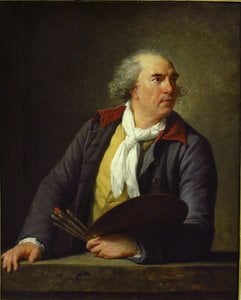
Hubert Robert: Un Pictor al Ruinilor și Viziunilor
Hubert Robert, un nume sinonim cu peisaje evocatoare și farmecul romantic al ruinilor, ocupă o poziție unică în arta franceză a secolului XVIII – un artist care a îmbinat observația minuțioasă cu imaginația vibrantă pentru a crea scene ce rezonează atât cu o nostalgie profundă pentru trecut, cât și cu anticiparea viitorului. Născut în Paris în 1733, viața sa s-a desfășurat într-un context de schimbări artistice rapide – de la eleganța jucăușă a Rococării la începuturile Neoclasicismului, trecând prin tumultul Revoluției Franceze. Robert nu se limita doar la documentarea degradării; el crea viziuni, amestecând observația cu imaginația pentru a construi scene care rezonează atât cu o dorință nostalgică pentru trecut, cât și cu anticiparea viitorului. Călătoria sa a început într-un mediu structurat de instruire artistică, inițial sub îndrumarea sculptorului Michel-Ange Slodtz, care a recunoscut talentul lui Robert, dar l-a orientat cu înțelepciune către pictură, simțind că adevărata sa chemare constă în captarea luminii, atmosferei și a poeziei subtile a formei.
Răsăritul într-o Cetate de Artă: Roma ca Atelier
Punctul culminant al dezvoltării artistice a lui Robert a fost exercițiul său îndelungat în Roma, începând în 1754. Însoțit de Étienne-François de Choiseul, el s-a scufundat într-o lume impregnată de istorie și fastuositate arhitecturală. Pentru unsprezece ani, orașul antic a devenit atelierul său deschis, templele sale prăbușite, arcele majestuoase și grădinile împânzite cu vegetație alimentând imaginația sa. Nu era vorba doar de reproducerea ceea ce vedea; se trata de interpretare, de reînnoire și de infuzarea acestuia cu un sentiment de frumusețe melancolică. A lucrat alături de Giovanni Paolo Panini, a cărui influență este vizibilă în compozițiile timpurii ale lui Robert – *capricci*, reprezentări pitorești care juxtapezau ruinele clasice cu viața contemporană. Cu toate acestea, Robert s-a depășit rapid pe sine, dezvoltând un stil distinctiv caracterizat de detalii minuțioase, perspectivă atmosferică și o sensibilitate profundă la jocul luminii și al umbrelor. Nu se limita doar la pictarea ruinelor; el picta timpul însuși, capturând frumusețea efemeră a transitorului și puterea durabilă a memoriei. Schițele sale din această perioadă sunt documente inestimabile ale observațiilor sale, pline de studii detaliate ale monumentelor romane precum Villa d'Este și Caprarola, demonstrând un ochi atent la nuanțele arhitecturale și compoziția peisajului.
Reîntoarcerea în Paris: Recunoaștere și Patronaj Regal
Întoarcerea lui Robert în Paris în 1765 a marcat o întorsătură crucială în cariera sa. A obținut rapid recunoaștere în cadrul cercurilor artistice, fiind admis în Académie Royale de Peinture et de Sculpture cu “Portul Romei”, decorat cu diverse monumente arhitecturale, antice și moderne”. Succesul său a dus la patronaj regal, cu comenzi pentru proiecte decorative și funcții precum “Designer al grădinilor Majestății Sale” și ulterior, “Păzitor al picturilor Majestăților Săi”. A devenit un artist căutat nu numai pentru picturile sale de pe pânză, ci și pentru designurile inovatoare pentru grădini și interioare palatiale. Lucrările sale au rezonat cu gustul vremii – *capriccio* pictura, un gen care a atras colecționari fascinați de istorie, arheologie și peisajul pitoresc – dar Robert a infuzat-o cu o sensibilitate unică, ridicând-o dincolo de simpla artă decorativă.
Revoluția, Reziliența și Moștenirea Durabilă
Revoluția Franceză a prezentat o provocare fără precedent pentru Robert. În timp ce mulți artiști au luptat să navigheze prin climatul politic turbulent, el s-a găsit prins în curenții schimbărilor. A fost chiar arestat în timpul Reign of Terror, o experiență terifiantă care, totuși, a inspirat o serie de schițe documentând perioada sa în temniță. Remarcabil, a continuat să picteze prolific în această perioadă, demonstrând un angajament neclintit față de arta sa. După Revoluție, Robert a fost numit curator al noului Musée Central des Arts – viitorul Louvre, o dovadă a expertizei sale și a dedicării sale pentru conservarea patrimoniului cultural. A jucat un rol crucial în organizarea și catalogarea colecției muzeului, asigurând protejarea comorilor artistice ale Franței pentru generațiile viitoare. Hubert Robert a murit în Paris în 1808, lăsând în urmă o operă extraordinară care continuă să inspire uimire și admirație. Moștenirea sa nu constă doar în măiestria sa tehnică, ci și în capacitatea sa unică de a îmbină acuratețea istorică cu imaginația vibrantă. A inaugurat un gen de pictură care celebra atât frumusețea degradării, cât și puterea durabilă a creativității umane, consolidând astfel locul său ca figură cheie care a unit perioadele Rococor și Neoclasice, anticipând aspecte ale Romanticismului cu fascinația sa pentru istorie și imaginație.
- Influențe Cheie: Giovanni Paolo Panini, Piranesi, peisajul arhitectural al Romei.
- Temele Principale: Ruine, peisaje, picturi *capriccio*, memorie istorică, trecerea timpului.
- Stilul Artistic: Detalii minuțioase, perspectivă atmosferică, iluminare evocatoare, îmbinarea observației cu imaginația.



 Vezi în context
 Comută pe versiunea Print
 Trimite
 Distribuie
 Detalii
 Ghid
Ghid

 Descarcă
 Produse similare
 Radiografie
 Diaporama
 Statistici


 Citește mai mult