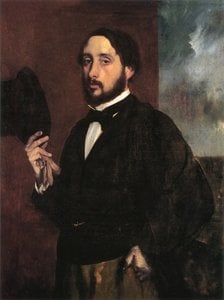
Biografie artist
A Life Immersed in Movement
Edgar Degas, născut Hilaire-Germain-Edgar De Gas în Paris, pe 19 iulie 1834, a fost un artist cu o complexitate fascinantă. Adesea grupat alături de impresioniști – Monet, Renoir și alții care au revoluționat pictura la sfârșitul secolului al XIX-lea – el s-a opus activ acestei etichete, identificându-se mai degrabă ca realist. Această devotare provine din observația minuțioasă a lumii din jurul său și dintr-o dedicare neclintită la reprezentarea ei cu onestitate deplină. Viața timpurie a lui Degas era confortabilă, burgheză; tatăl său era un bancher, iar mama sa provenea dintr-o familie creolă din New Orleans. Acest context i-a oferit acces la educație și formare artistică, deși adesea s-a simțit constrâns de restricțiile academice. Inițial, s-a înscris la Lycée Louis-le-Grand, dar educația sa adevărată a început atunci când a început să copieze opere în Louvre, perfecționându-și abilitățile și aprinzând o pasiune de durată pentru arta clasică. Cu toate acestea, calea lui Degas nu a fost una de aderare strictă la tradiție; a fost marcată de o întrebare constantă și de o reevaluare a normelor artistice. Spiritul său independent l-a definit pe tot parcursul carierei sale.
Dincolo de Impressionism: O Viziune Artistică Unică
În timp ce contemporanii săi, precum Monet, urmau efectele fugace ale luminii în aer liber, Degas lucra în mare parte din interiorul atelierului său, construind scene meticulos din observație și memorie. Subiectele sale erau cu siguranță moderne – o abatere de la temele istorice sau mitologice preferate de mulți pictori academici. A găsit inspirație în viața de zi cu zi a parizienilor: spălătoare de rufe, cântărețe de cabaret, coapsele și, cel mai celebru, dansatoarele. Această fascinație pentru balet definește o mare parte din operele sale. Degas nu a pictat doar balerine frumoase; el a surprins realitatea grea a profesiei lor – repetițiile interminabile, efortul fizic, momentele fugare de grație în mijlocul unei lumi de muncă asiduă. Compozițiile sale sunt adesea neconvenționale, croind figuri într-un mod surprinzător și utilizând aranjamente asimetrice care creează un sentiment de dinamism și imediatitate. Era un maestru în captarea mișcării, nu prin linii estompate sau efecte încețoșate, ci prin observație atentă și reprezentare precisă a formei. Dancer, A Group of Dancers și Women Combing Their Hair sunt exemple de această dedicare la reprezentarea figurii umane în mișcare și la dezvăluirea complexităților vieții moderne. Nu era interesat de frumusețea superficială; căuta adevărul sub suprafață.
Influențe și Dezvoltare Artistică
Călătoria artistică a lui Degas a fost modelată de o varietate de influențe. Formarea sa timpurie a pus accent pe principii clasice, în special munca lui Jean-Auguste-Dominique Ingres, care sublinia draftsmanship-ul și reprezentarea precisă, lăsând o amprentă durabilă. Cu toate acestea, Degas a admirat și Realiștii, precum Gustave Courbet, care au provocat convențiile academice și au pledat pentru reprezentarea vieții cotidiene. Un moment crucial în dezvoltarea sa a venit prin asocierea cu Camille Pissarro, un impresionist de rang înalt care i-a introdus pe alți artiști și l-a încurajat să experimenteze noi tehnici. A fost captivat de gravurile japoneze – Ukiyo-e – care au influențat utilizarea sa de aranjamente asimetrice, perspective aplatizate și modele îndrăznețe. De asemenea, a îmbrățișat fotografia, recunoscând-o ca pe un instrument pentru studiul mișcării și capturarea momentelor fugare în timp. Această disponibilitate de a integra influențe diverse în opera sa este ceea ce îl diferențiază și contribuie la caracterul unic al operei sale. Nu a avut teamă să împrumute din diferite surse, sintetizându-le într-un ceva cu totul nou.
Realismul și Observația Directă
În ciuda asociării sale cu impresionismul, Degas s-a distins prin angajamentul său față de realism. Spre deosebire de mulți impresioniști care căutau să captureze efectele luminii în aer liber, Degas a preferat să lucreze din atelier, construind scenele sale din observație și memorie. A petrecut mult timp la teatru, observând actori și decoruri, ceea ce a influențat stilul său de compoziție și atenția la detalii. A fost un maestru în captarea mișcării umane, nu doar prin reprezentarea statică a formelor, ci și prin surprinderea dinamicii și a ritmului vieții cotidiene. Lucrările sale, cum ar fi Dancer at the Opera (1875), sunt caracterizate de o atenție remarcabilă la detalii, de o compoziție neconvențională și de o perspectivă care sugerează mișcare și spontaneitate. A fost un observator perspicace al lumii din jurul său, captând cu precizie și autenticitate momentele și scenele vieții pariziene.
Moștenirea și Impactul Durabil
Edgar Degas a murit în Paris în 1917, lăsând în urmă o operă de artă care captivează și inspiră publicul și astăzi. Abordarea sa inovatoare a compoziției, draftsmanship-ul său remarcabil și reprezentarea neînfricată a vieții moderne au avut un impact profund asupra cursului istoriei artei. A deschis drumul pentru generațiile viitoare de artiști care au căutat să se elibereze de convențiile tradiționale și să exploreze noi modalități de reprezentare a lumii din jurul lor. Influența sa poate fi văzută în munca lui Pablo Picasso și Henri Matisse, printre alții. Muzee din întreaga lume – inclusiv Musée d'Orsay și Musée de l’Orangerie din Paris – găzduiesc colecții semnificative ale picturilor sale, pasteluri, sculpturi și gravuri, asigurând că moștenirea sa va rezista pentru generațiile viitoare. Degas nu a fost doar un pictor de balerine sau cai; a fost un observator perspicace al naturii umane, un maestru al formei și al mișcării și un inovator adevărat care a redefinit posibilitățile artei.



 Vezi în context
 Comută pe versiunea Print
 Trimite
 Distribuie
 Detalii
 Ghid
Ghid

 Descarcă
 Produse similare
 Radiografie
 Diaporama
 Statistici

 Citește mai mult






































 Opțiunea cu sticlă este disponibilă doar pentru dimensiuni de sub 110 cm