CONSULTAȚIE GRATUITĂ ÎN ARTE VIZUALE

x
Comandă tipăritul Comandă tipăritulComandă reproducere pictată Comandă reproducere pictată TrimiteTrimite
Detalii despre lucrareDetalii despre lucrare Adaugă la favorite Adaugă la favorite DescarcăDescarcă SimilareSimilare RadiografieRadiografie DiaporamaDiaporama

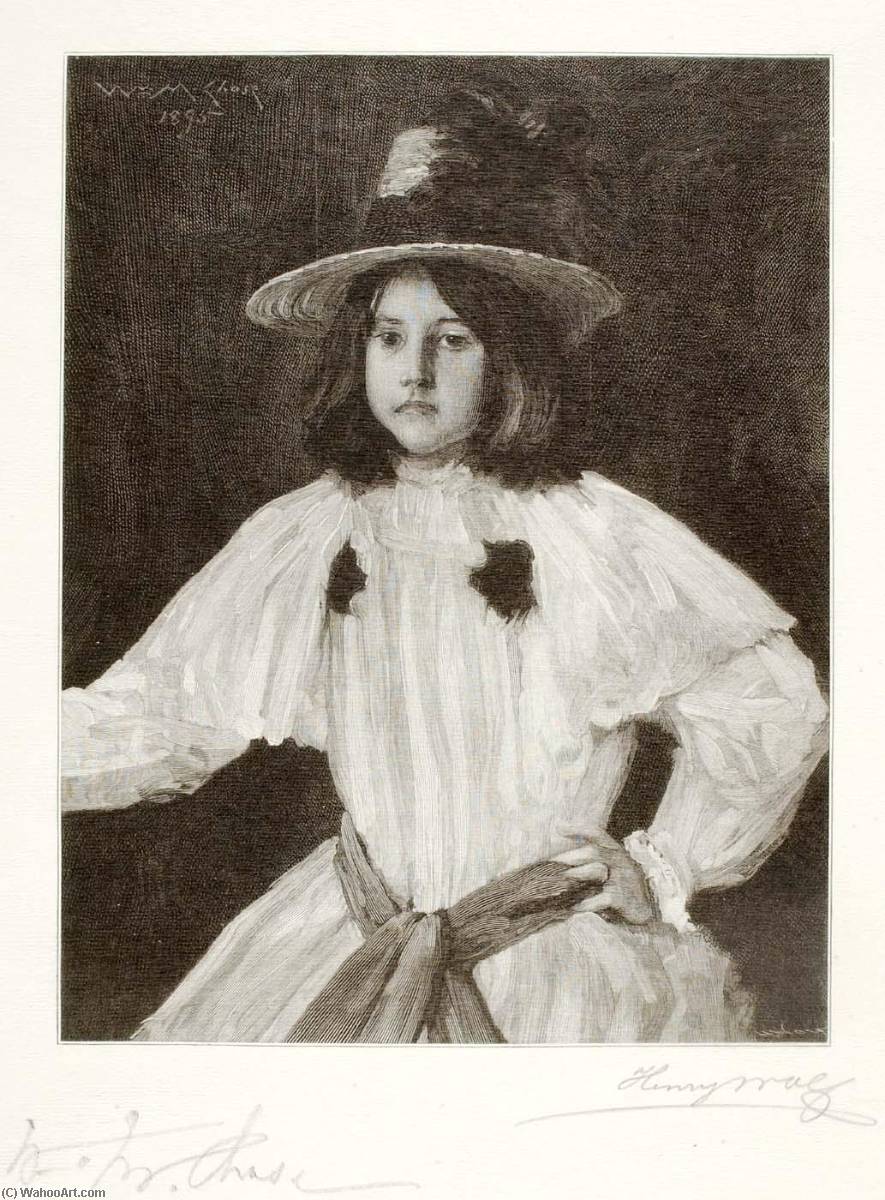
Alice

Discover 'Alice' by Henry Wolf - a captivating 1892 wood engraving from the Smithsonian! Admire intricate detail & Victorian charm in this stunning portrait.

Henry Wolf (1925-2005): designer revoluționar al revistelor Esquire și Harper’s Bazaar, cunoscut pentru layout-uri îndrăznețe, tipografie elegantă și fotografii provocatoare, care au redefinit estetica publicității și designului editorial.

Achiziționați o imagine digitală îmbunătățită și de înaltă rezoluție, mult superioară previzualizării online.

Fiecare fișier este pregătit cu meticulozitate de specialiștii noștri interni, utilizând instrumente avansate și retușare manuală expertă. Ne asigurăm că fiecare imagine beneficiază de o claritate excepțională, o acuratețe precisă a culorilor și detalii fine.

Fișierul final este livrat prin e-mail în termen de 72 de ore, optimizat pentru utilizare imediată în medii profesionale, editoriale și de imprimare. Aceasta este aceeași calitate în care au încredere studiouri de design, edituri și galerii de top.

Imagine Digitală

Descărcați un fișier la rezoluție înaltă pentru afișare personală, imprimare și proiecte creative.

Preț total

$9.99

Inclus în fiecare comandă de imagini digitale

Livrare digitală de expertiză, garantată

Când alegeți WahooArt.com, nu primiți doar o simplă imagine – primiți o operă de artă digitală îmbunătățită profesional, creată cu precizie și susținută de o garanție de satisfacție. Iată tot ceea ce primești odată cu comanda ta, în mod automat:

shipping_icon
Livrare rapidă prin e-mail

Fișierul imaginii digitale la rezoluție înaltă vă va fi trimis prin e-mail în termen de 72 de ore de la finalizarea comenzii – gata pentru utilizare imediată.

canvas_icon
Fișier digital optimizat prin IA

Opera ta de artă este optimizată profesional prin intermediul unor instrumente AI avansate și al editării manuale, asigurând un nivel maxim de detalii, claritate și acuratețe a culorilor.

insurance_icon
Retransmitere gratuită pe viață

Ai șters sau ai pierdut din greșeală fișierul? Nu îți face griji – ți-l vom retrimite oricând, gratuit.

tax_icon
Fără taxe de import – Întotdeauna

Bucură-te instant de opera ta de artă, fără taxe vamale, taxe de import sau costuri de livrare – descărcările digitale sunt întotdeauna fără taxe.

color_icon
Garanția acurateței culorilor

Asigurăm că imaginea ta digitală reflectă culorile originale cât mai fidel posibil, utilizând instrumente profesionale și procese de gestionare a culorii.

return_icon
Garanție de satisfacție de 60 de zile

Dacă nu sunteți mulțumit de imaginea digitală achiziționată, o vom revizui sau vă vom returna 100% în termen de 60 de zile – fără nicio explicație necesară.

guarantee_icon
Garanție de returnare 100% a banilor

Nu ești mulțumit? Obține o rambursare completă în termen de 60 de zile de la primirea fișierului tău digital – fără întrebări.

discount_icon
Reduceri pentru comenzi multiple

Cumpără 3 imagini, economisește 10% - Cumpără 5, economisește 15% - Cumpără 10+, economisește 20%. Ideal pentru proiecte creative, galerii și agenții.

Informații rapide

  • Medium: Wood engraving on paper
  • Location: Smithsonian American Art Museum
  • Subject or theme: Portrait of a young girl
  • Title: Alice
  • Artist: Henry Wolf
  • Notable elements or techniques: Detailed shading & texture
  • Dimensions: 18 x 14 cm

Test de cunoștințe despre artă

Fiecare întrebare are un singur răspuns corect.

Întrebare 1:
Who is the artist credited with creating the wood engraving 'Alice'?
Întrebare 2:
In what year was the artwork 'Alice' created?
Întrebare 3:
Where is the artwork 'Alice' currently housed?
Întrebare 4:
What technique was primarily used to create 'Alice'?
Întrebare 5:
Based on the image description, what is a prominent feature of the subject’s expression?

Descrierea obiectului de colecție

Alice by Henry Wolf: A Victorian Portrait in Wood Engraving

“Alice,” created by Henry Wolf in 1892, is a captivating wood engraving that transports viewers to the elegance of the Victorian era. This piece, currently residing at the Smithsonian American Art Museum, exemplifies Wolf’s skill and attention to detail, offering a glimpse into a bygone time through a beautifully rendered portrait.

Artist Background: Henry Wolf's Journey

Henry Wolf (1852-1916) was a French-born wood engraver who significantly contributed to American art. Born in Eckwersheim, France, he studied under Jacques Levy and exhibited his work in Paris before immigrating to New York City in 1871. He became renowned for his ability to reproduce works by prominent artists through the intricate medium of wood engraving. Wolf’s legacy extends beyond this single piece; he was a master craftsman who helped popularize art reproduction during an era when access to original artworks was limited.

Description and Technique: A Study in Detail

The artwork depicts a young girl, presumably named Alice, wearing a hat and gazing directly at the viewer with a serious expression. The engraving showcases Wolf’s mastery of woodcutting techniques. He meticulously carved lines into blocks of wood, which were then inked and pressed onto paper to create the image. This process required immense precision and skill, as each line contributed to the overall tonal range and texture of the portrait. The grayscale palette enhances the sense of timelessness and adds a touch of solemnity to the subject’s demeanor. The level of detail in the girl's clothing and facial features is remarkable, demonstrating Wolf’s dedication to realism.

Historical Context and Symbolism

“Alice” reflects the artistic trends prevalent during the late 19th century, a period characterized by academic portraiture and a focus on realistic representation. Wood engraving was a popular medium for reproducing illustrations in magazines and books, making art more accessible to a wider audience. The subject’s attire suggests a middle-class Victorian upbringing, while her direct gaze conveys a sense of quiet dignity and perhaps introspection. While overt symbolism is minimal, the portrait evokes feelings of nostalgia and reverence for traditional values.

Similar Artists and Styles

For those appreciating Wolf's style and skill, exploring works by other artists from this period can provide further context and enjoyment:

  • James McNeill Whistler: Known for his atmospheric landscapes and portraits, Whistler’s emphasis on tonal harmony resonates with the subtle gradations of tone in “Alice.”
  • Boris Gorelick: Gorelick's expressive style and use of texture offer a contrasting yet complementary perspective on portraiture.
  • Gabor Peterdi: A master printmaker, Peterdi’s work shares Wolf’s dedication to technical precision and detailed observation.

“Alice” by Henry Wolf is more than just a portrait; it's a testament to the artistry of wood engraving and a window into Victorian society. Its enduring appeal lies in its exquisite detail, historical significance, and ability to evoke a sense of quiet contemplation.

Opere de artă similare


Biografie Artist

A Life Interrupted, A Vision Forged: The Story of Henry Wolf

Henry Wolf’s life unfolded as a remarkable tapestry woven from threads of displacement, resilience, and an unwavering commitment to visual communication. Born in Vienna in 1925 into a secure, established Jewish family, his early years were characterized by the comforts of a cultured upbringing – a world abruptly shattered by the chilling arrival of the Anschluss in 1938. The sudden intrusion of Nazi power forced his family onto a harrowing odyssey through France and North Africa, seeking refuge from persecution. These years, marked by uncertainty and hardship—including periods of internment in detention camps—deeply imprinted upon him a profound sensitivity to visual language, perhaps as a means of navigating an increasingly chaotic reality. This early experience wasn’t simply biographical detail; it was the very crucible in which Wolf's unique aesthetic sensibility was forged – a potent blend of European sophistication and American dynamism. Following this turbulent period, he found sanctuary in the United States in 1941, but adaptation and reinvention were immediate necessities. He served with distinction in the army from 1943 to 1946, broadening his perspective and solidifying his resolve before embarking on his artistic career.

From Photographic Mentorship to Magazine Revolution

Post-war New York became Henry Wolf’s creative laboratory—a vibrant hub where he honed his skills under the tutelage of some of the most influential figures in the photographic world: Richard Avedon, Melvin Sokolsky, and Art Kane. These masters imparted not only technical expertise but also a discerning eye for composition, lighting, and storytelling – elements that would become cornerstones of Wolf’s distinctive style. His professional journey began with a deliberate immersion in the craft, absorbing the techniques and philosophies of these giants. However, it was his appointment as art director at Esquire magazine in 1952 that truly ignited his career. At the time, Esquire was undergoing a significant transformation under Arnold Gingrich, seeking to elevate its image beyond mere sensationalism and establish itself as a voice of intelligence and style. Wolf seized this pivotal opportunity with remarkable vision, injecting a new level of sophistication into the publication’s visual identity. He moved decisively away from novelty lettering and sentimental illustration, embracing bold layouts, elegant typography, and striking photography—a deliberate shift that signaled a fundamental change in the magazine's aesthetic direction. His covers were particularly innovative, often employing witty photographic concepts that subtly referenced the magazine’s iconic mustachioed mascot, Esky, creating a memorable and instantly recognizable brand identity.

A Trilogy of Influence: Harper’s Bazaar, Show, and Beyond

Wolf’s influence extended far beyond Esquire. In 1958, he assumed the mantle of art director at Harper’s Bazaar, a position that allowed him to further refine his aesthetic sensibilities within the realm of high fashion. He collaborated closely with leading photographers and illustrators, creating visually arresting spreads that pushed the boundaries of editorial design—a testament to his ability to orchestrate complex visual narratives. Three years later, he took on another ambitious project: launching Show magazine for Huntington Hartford. This new venture provided Wolf with unprecedented creative freedom to explore innovative visual concepts and challenge conventional norms, allowing him to experiment with unconventional layouts, surreal imagery, and a more conceptual approach to design. However, his career wasn’t confined solely to the world of glossy magazines; he also brought his meticulous attention to detail and conceptual rigor to campaigns for major brands—including Alka Seltzer, Buick, Gillette, and Coca-Cola—demonstrating that his design principles were equally effective in advertising as they were in editorial work.

Legacy and Teaching: Passing on a Vision

In 1971, Wolf established Henry Wolf Productions, a studio dedicated to photography, film, and design—a space where he could pursue personal projects and further develop his creative vision. Simultaneously, he recognized the importance of nurturing future generations of designers. He generously shared his expertise as an instructor at Parsons School of Design, the School of Visual Arts, and Cooper Union, inspiring countless students with his passion for visual communication and his unwavering belief in the power of design to shape perceptions. His teaching philosophy emphasized problem-solving, conceptual thinking, and a relentless pursuit of excellence—qualities that he instilled in his students through hands-on projects and insightful critiques. Wolf’s contributions were widely recognized throughout his career, culminating in prestigious awards such as the American Institute of Graphic Arts Medal for Lifetime Achievement (1976) and induction into the Art Directors Club Hall of Fame (1980). His passing in 2005 marked the end of an era, but his legacy continues to resonate within the world of graphic design—a testament to his pioneering spirit and enduring influence.

A Lasting Impact on Visual Culture

Henry Wolf’s impact extended far beyond the pages of the magazines he transformed. He fundamentally altered the landscape of editorial design, elevating it from a purely functional craft to a sophisticated art form. His emphasis on visual clarity, conceptual rigor, and elegant aesthetics continues to inform contemporary graphic design practices.
  • His work demonstrated that effective communication wasn’t simply about conveying information; it was about creating an emotional connection with the audience.
  • He championed collaboration between designers, photographers, and illustrators, recognizing that the most compelling visual narratives emerged from a synthesis of diverse talents.
  • Wolf's dedication to teaching ensured that his principles would be carried forward by future generations of designers, solidifying his place as a true pioneer in the field.
He wasn’t merely designing magazines; he was crafting experiences, shaping perceptions, and ultimately, influencing visual culture itself—a legacy that continues to inspire creativity and innovation today.

Henry Wolf

Henry Wolf

1925 - 2005 , Austria

Detalii rapide

  • Artistic Movement Or Style: Design rev. magazinelor
  • Artists Or Movements Influenced By This Artist: ['Design rev. magazinelor']
  • Artists Who Influenced This Artist:
    • Richard Avedon
    • Melvin Sokolsky
    • Art Kane
  • Date Of Birth: 23 mai 1925
  • Date Of Death: 14 feb 2005
  • Full Name: Henry Wolf
  • Nationality: Austrian-American
  • Notable Artworks:
    • Layouturi Esquire
    • Designuri Harper's Bazaar
    • Copertine Show
  • Place Of Birth: Viena, Austria