O Viață Scufundată în Culoare: Lumea lui Henri Matisse
Henri Émile Benoît Matisse, născut pe 31 decembrie 1869, în micul orășel francez din nordul țării, Le Cateau-Cambrésis, nu a fost destinat unei vieți dedicate pigmentului și formei. După studiile liceale, a urmat inițial dreptul la Paris, dar destinul său s-a schimbat dramatic după o criză de apendicită în 1889. Imobilizat la pat pentru recuperare, a descoperit o pasiune latentă aprinsă de simplul act al picturii cu un set de materiale artistice oferite de mama sa. Nu a fost doar o distragere a atenției; a fost o revelație – un punct de cotitură care l-a îndepărtat de documentele juridice și l-a apropiat de o lume în care culoarea urma să devină limbajul său, iar pânza, domeniul său. Crescut în Bohain-en-Vermandois, fiu al unor negustori de cereale, Matisse părea inițial un candidat improbabil pentru viața boemă a unui artist, dar sămânța fusese plantată, hrănită de convalescență și înflorind într-o dedicare pe tot parcursul vieții. S-a înscris la Academia Julian, apoi la École Nationale des Beaux-Arts, studiind sub îndrumarea lui William-Adolphe Bouguereau și Gustave Moreau, asimilând tehnici clasice care i-ar servi drept fundament pentru inovațiile sale viitoare. Lucrările timpurii reflectau această pregătire academică, demonstrând competență, dar lipsite de vocea distinctivă ce avea să-i definească curând stilul.
Zorile Fauvismului și Experimentarea Îndrăzneață
Un moment crucial a venit în 1896, în timpul unei vizite la Belle Île cu pictorul australian John Russell. Această întâlnire s-a dovedit transformatoare. Russell l-a introdus pe Matisse în lumea vibrantă a impresionismului și, mai important, în pânzele încărcate emoțional ale lui Vincent van Gogh. Impactul a fost profund. Utilizarea expresivă a culorilor de către Van Gogh a distrus paleta restrânsă a lui Matisse, îndemnându-l spre o abordare mai curajoasă și subiectivă. A început să se îndepărteze de tonurile pământii, îmbrățișând nuanțe care rezonau cu sentimentul, mai degrabă decât cu reprezentarea strictă. Această explorare a culminat cu apariția Fauvismului în jurul anului 1905 – o mișcare în care Matisse a devenit o figură proeminentă. Numele însuși, însemnând „fiare sălbatice”, a fost inițial peiorativ, atribuit de un critic picturilor șocante și non-naturaliste ale grupului expuse la Salon d'Automne.
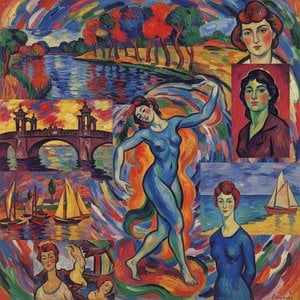
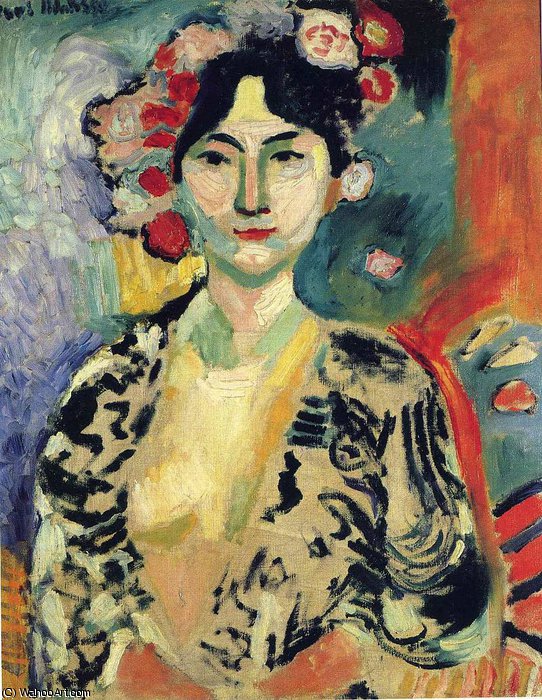
Matisse, alături de artiști precum André Derain și Maurice de Vlaminck, a promovat intensitatea culorii ca element independent de expresie, simplificând formele pentru a-i amplifica impactul. Tablouri precum *The Gourds* (1905) exemplifică acest stil – o explozie de roșu, verde și galben aplicate cu o libertate care ignora perspectiva tradițională și acuratețea mimetică. Caracteristicile cheie includeau palete intens saturate, forme simplificate, tușe expresive și un refuz deliberat al reprezentării convenționale în favoarea rezonanței emoționale.
Rafinament și Armonie Decorativă
După entuziasmul inițial al Fauvismului, stilul lui Matisse a suferit o evoluție subtilă, dar semnificativă. Deși nu a abandonat niciodată dragostea pentru culoare, opera sa a devenit mai rafinată, înclinând spre o estetică decorativă care accentua formele aplatizate și modelele complicate. A explorat teme legate de agrement, viața domestică și figura umană în cadre liniștite, creând compoziții care păreau atât armonioase, cât și emoțional rezonante. Mutarea la Nisa, pe Riviera Franceză, în 1917 a influențat suplimentar această schimbare, infuzând opera sa cu un sentiment de serenitate și echilibru clasic. A început să se concentreze pe crearea unor medii – picturi, sculpturi și obiecte decorative – care să-l învăluie pe privitor într-o atmosferă de frumusețe și calm. În această perioadă a experimentat cu diferite medii, inclusiv ceramica și textilele, extinzându-și viziunea artistică dincolo de pânza tradițională. Nu se limita doar la reprezentarea scenelor; construia lumi concepute pentru a evoca un răspuns emoțional specific.
Anii Târziu: Inovație prin Limitare
Pe măsură ce sănătatea în declin i-a limitat capacitatea lui Matisse de a picta în mod convențional, acesta a pornit într-un nou capitol extraordinar al călătoriei sale artistice – crearea colajelor din hârtie tăiată, sau *découpages*. Începând cu aproximativ 1947, aceste lucrări s-au născut din necesitate. Imobilizat într-un scaun cu rotile, nu putea sta fizic și să picteze, dar încă putea manipula hârtia cu foarfeca. Ceea ce a început ca o soluție practică a evoluat într-o tehnică artistică revoluționară. Ar picta foi mari de hârtie în culori vibrante, apoi le tăia în forme – forme organice, frunze, figuri – și le aranja pe pânză, creând compoziții care erau atât dinamice, cât și deceptiv simple. Aceste *découpages* nu au fost doar substitute pentru pictură; ele au reprezentat o nouă modalitate de a gândi despre culoare, formă și compoziție. Au continuat explorarea sa pe tot parcursul vieții a acestor elemente, demonstrând o viziune artistică durabilă chiar și în fața limitărilor fizice.
- Tehnica tăierii hârtiei i-a permis să obțină o puritate a formei și a culorii care era dificil de atins cu vopsea.
- Aceste lucrări au făcut adesea referire la teme și motive anterioare din picturile sale, dar le prezentau într-un mod proaspăt și inovator.
- Au demonstrat capacitatea sa de a se adapta și evolua ca artist pe tot parcursul carierei sale.
Un Legat Durabil: Impactul lui Matisse asupra Artei Moderne
Henri Matisse a murit în Nisa în 1954, lăsând în urmă o operă care continuă să inspire și să captiveze publicul din întreaga lume. Impactul său asupra lumii artei este incontestabil; el a contestat noțiunile convenționale de reprezentare, a promovat puterea expresivă a culorii și a deschis drumul pentru generațiile viitoare de artiști. Adesea considerat alături de Pablo Picasso ca una dintre cele mai influente figuri ale artei din secolul al XX-lea, Matisse a modelat fundamental modernismul. Moștenirea sa depășește operele sale în sine – cuprinde o filozofie care sărbătorește bucuria, frumusețea și potențialul transformator al culorii. El nu picta doar ceea ce vedea; crea o experiență emoțională pentru privitor, invitându-l să împărtășească viziunea sa asupra unei lumi scăldată în lumină și nuanțe vibrante. Influența lui
Matisse se poate observa în numeroase lucrări de artiști din diverse discipline, consolidând poziția sa ca un adevărat maestru al artei moderne – un pictor care a îndrăznit să vadă lumea nu așa cum este, ci așa cum ar putea fi, plină de culoare, armonie și posibilități infinite.


 Previzualizare
 Comandă pictură lucrată manual
 Trimite
 Distribuie
 Detalii despre lucrare

 Descarcă
 Produse similare
 Radiografie
 Diapozitive automate
 Stats
Stats
 Vezi mai mult






































 Opțiunea cu sticlă este disponibilă doar pentru dimensiuni de sub 110 cm