Vezi în context Previzualizare AR Comută pe versiunea Print Comandă pictură realizată manual Trimite
Detalii Ghid Adaugă la favorite Descarcă Produse similare Radiografie Diaporama Statistici

Path through a Normandy Village

Experience tranquility with Henri-Joseph Harpignies' 'Path through a Normandy Village.' This Impressionist landscape captures rural life & atmospheric beauty.

Henri-Joseph Harpignies: picturi serene și idilice din peisajele franceze, un maestru al Școlii Barbizon. Descoperiți atmosfera și frumusețea naturii în operele sale captivante!

Achiziționați o imagine digitală de înaltă rezoluție, îmbunătățită, mult superioară previzualizării online.

Fiecare fișier este pregătit cu meticulozitate de specialiștii noștri interni, utilizând instrumente avansate și retușare manuală expertă. Ne asigurăm că fiecare imagine beneficiază de o claritate excepțională, o acuratețe precisă a culorilor și detalii fine.

Fișierul final este livrat prin e-mail în termen de 72 de ore, optimizat pentru utilizare imediată în medii profesionale, editoriale și de imprimare. Aceasta este aceeași calitate în care au încredere studiouri de design, edituri și galerii de top.

Imagine Digitală

Descărcați un fișier la rezoluție înaltă pentru afișare personală, imprimare și proiecte creative. ( Comută pe versiunea Print Comandă pictură realizată manual)

Preț total

$ 24,90

Inclus în fiecare comandă de imagini digitale

Livrare digitală de expertiză, garantată

Când alegeți WahooArt.com, nu primiți doar o simplă imagine – primiți o operă de artă digitală îmbunătățită profesional, creată cu precizie și susținută de o garanție de satisfacție. Iată tot ceea ce primești odată cu comanda ta, în mod automat:

shipping_icon
Livrare rapidă prin e-mail

Fișierul imaginii digitale la rezoluție înaltă vă va fi trimis prin e-mail în termen de 72 de ore de la finalizarea comenzii – gata pentru utilizare imediată.

canvas_icon
Fișier digital optimizat prin IA

Opera ta de artă este optimizată profesional prin intermediul unor instrumente AI avansate și al editării manuale, asigurând un nivel maxim de detalii, claritate și acuratețe a culorilor.

insurance_icon
Retransmitere gratuită pe viață

Ai șters sau ai pierdut din greșeală fișierul? Nu îți face griji – ți-l vom retrimite oricând, gratuit.

tax_icon
Fără taxe de import – Întotdeauna

Bucură-te instant de noua ta operă de artă, fără taxe vamale, taxe de import sau costuri de livrare – descărcările digitale sunt întotdeauna fără taxe.

color_icon
Garanția fidelității culorilor

Asigurăm o reflectare cât mai fidelă a culorilor originale în imaginea ta digitală, prin utilizarea unor instrumente profesionale și a proceselor de gestionare a culorii.

return_icon
Garanție de satisfacție de 100 de zile

Dacă nu sunteți mulțumit de imaginea digitală achiziționată, o vom revizui sau vă vom returna 100% în termen de 100 de zile – fără nicio întrebare.

guarantee_icon
Garanție de returnare 100% a banilor

Nu ești mulțumit? Primești rambursarea integrală în termen de 100 de zile de la primirea fișierului digital – fără nicio întrebare.

discount_icon
Reduceri pentru comenzi în volum

Cumpără 3 imagini, economisește 10% - Cumpără 5, economisește 15% - Cumpără 10+, economisește 20%. Ideal pentru proiecte creative, galerii și agenții.

Detalii rapide

  • Subject or theme: Rural landscape, tranquility
  • Notable elements or techniques:
    • Loose brushstrokes
    • Atmospheric hues
  • Movement: Impressionism
  • Artist: Henri-Joseph Harpignies
  • Title: Path through a Normandy Village
  • Medium: Oil on canvas

Chestionar de artă

Fiecare întrebare are un singur răspuns corect.

Întrebare 1:
What artistic movement is ‘Path through a Normandy Village’ most closely associated with?
Întrebare 2:
Which of the following best describes the overall mood or atmosphere conveyed by the painting's color palette?
Întrebare 3:
Henri-Joseph Harpignies initially faced pressure to pursue a different career path before dedicating himself to art. What was that initial expectation?
Întrebare 4:
What is a key characteristic of the brushwork in ‘Path through a Normandy Village’?

A Glimpse of Rural Tranquility: Henri-Joseph Harpignies' "Path through a Normandy Village"

This captivating landscape painting, “Path through a Normandy Village,” created in 1877 by French artist Henri-Joseph Harpignies, offers a serene glimpse into rural life. The artwork transports viewers to the heart of Normandy, France, depicting a picturesque village nestled amongst rolling hills under a cloudy sky. It’s a quintessential example of Impressionism, capturing not just what is seen but also the feeling and atmosphere of a fleeting moment in time. Harpignies masterfully uses loose brushstrokes and subtle color variations to evoke a sense of tranquility and connection with nature – qualities that continue to resonate with audiences today.

Impressionistic Technique and Artistic Style

The painting is characterized by the hallmarks of Impressionism. Rather than striving for photographic realism, Harpignies prioritizes capturing the sensory experience of being present in this Norman landscape. Noticeable brushstrokes are layered upon one another, creating a textured surface that reflects the dappled light filtering through the clouds. The palette is dominated by muted greens, browns, and blues – colors chosen to convey the hazy, overcast conditions of the day. Horizontal lines define the hills and path, providing a sense of stability and grounding, while vertical strokes emphasize the structure of the prominent stone building in the foreground. This interplay of horizontal and vertical elements creates visual harmony within the composition. The technique involves applying paint in short, broken brushstrokes, often mixed directly on the canvas, allowing colors to blend optically – a signature characteristic of Impressionist painting.

Historical Context & Harpignies' Artistic Journey

Henri-Joseph Harpignies (1819-1916) was a pivotal figure in French landscape painting, deeply influenced by the Barbizon School and later Italian landscapes. Initially destined for a business career, his passion for art led him to formal training under Jean Achard in Paris. A transformative journey to Italy in 1848 profoundly shaped his artistic vision, imbuing his work with a sense of light and atmosphere. Harpignies’ style evolved over time, but he consistently maintained a commitment to capturing the beauty of the natural world. "Path through a Normandy Village" reflects this dedication, showcasing his ability to translate observed reality into evocative and emotionally resonant imagery. His later works often displayed a more polished finish than earlier pieces, yet retained the core principles of observation and atmospheric rendering that defined his career.

Symbolism & Emotional Impact

Beyond its aesthetic appeal, "Path through a Normandy Village" carries symbolic weight. The solitary figure walking along the path represents humanity’s connection to nature and the simple rhythms of rural life. The winding path itself can be interpreted as a metaphor for life's journey – a passage through time and experience. The overcast sky, while suggesting a slightly melancholic mood, also creates a sense of peaceful introspection. Overall, the painting evokes feelings of tranquility, solitude, and a deep appreciation for the beauty of the natural world. It’s an invitation to pause, reflect, and find solace in the quietude of the countryside – a timeless message that continues to inspire viewers today.

Biografie artist

Early Life and Artistic Aspirations

Born on June 28, 1819, in the historic city of Valenciennes, France, Henri-Joseph Harpignies’ early life was marked by a subtle conflict between familial expectations and an undeniable artistic calling. His parents, hailing from Belgian origins, envisioned a future for him within the established business world – a path of stability and financial security. However, from a young age, Henri demonstrated a profound connection to the natural world and a fervent desire to capture its beauty through art. This passion, far from being dismissed as a mere youthful fancy, proved remarkably resilient, ultimately triumphing over his family’s carefully laid plans. At the tender age of fourteen, Henri's artistic talent began to blossom, earning him numerous first-place prizes in local drawing competitions – a testament to his burgeoning skill and dedication. He found solace and inspiration in observing the landscapes surrounding Valenciennes, meticulously sketching the rolling hills, verdant forests, and meandering rivers. This early exposure to nature would profoundly shape his future artistic vision, instilling within him a deep reverence for the French countryside. Recognizing his son’s unwavering commitment to art, Henri's parents ultimately conceded, allowing him to pursue his artistic ambitions – a decision that proved pivotal in shaping the course of his life and legacy.

The Barbizon School and Italian Inspiration

Following two years of rigorous training under the esteemed painter Jean Achard in Paris, Henri embarked on a transformative journey to Italy in 1848. This experience served as a catalyst for profound artistic growth, fundamentally altering his perspective and approach to landscape painting. Upon his return to France in 1850, he quickly immersed himself in the vibrant world of the Barbizon School – a movement that championed direct observation of nature and a rejection of academic conventions. Artists like Jean-Baptiste-Camille Corot, whose work resonated deeply with Henri’s sensibilities, became influential mentors and collaborators. The Barbizon painters' emphasis on capturing the essence of rural life, rendered in earthy tones and imbued with a sense of quiet contemplation, profoundly impacted Henri’s artistic development. He eagerly embraced their techniques, learning to paint *en plein air* – directly from nature – and developing his own distinctive style characterized by atmospheric perspective and subtle nuances of light. In 1860, he further enriched his artistic understanding through a collaborative trip back to Italy with Corot, absorbing the beauty of the Italian landscape and refining his observational skills. This period marked a crucial stage in his artistic evolution, solidifying his commitment to capturing the sublime qualities of nature.

Artistic Style and Notable Works

Henri’s artistic style is immediately recognizable for its serene and idyllic depictions of the French countryside. He possessed an extraordinary ability to capture the subtle shifts in light and atmosphere, creating landscapes that evoke a profound sense of tranquility and harmony. His technique was characterized by meticulous observation combined with a refined understanding of composition – he carefully considered every element within his paintings, striving to create balanced and visually compelling scenes. While undeniably influenced by the Barbizon School’s realism, Henri developed a unique artistic voice, often imbuing his work with a poetic sensibility that went beyond mere representation. His paintings are not simply depictions of landscapes; they are invitations to immerse oneself in their beauty and contemplate the profound connection between humanity and nature. Among his most celebrated works are:
  • Soir sur les bords de la Loire (Evening on the Banks of the Loire) – 1861: This iconic painting exemplifies his mastery of atmospheric perspective, capturing the ethereal glow of twilight reflected upon the tranquil waters of the Loire River.
  • Les corbeaux (The Ravens) – 1865: A hauntingly beautiful depiction of a flock of ravens soaring across a bleak landscape, conveying a sense of melancholy and solitude.
  • Le soir (Evening) – 1866: A masterful portrayal of dusk settling over the French countryside, capturing the subtle shifts in color and light with remarkable precision.
  • La loire (The Loire) – 1882: Another stunning depiction of the Loire River, showcasing his ability to capture the movement of water and the play of sunlight upon its surface.
  • Vue de Saint-Privé (View of Saint-Privé) – 1883: A charming and picturesque scene depicting a typical French village nestled amidst rolling hills.

Legacy and Historical Significance

Henri-Joseph Harpignies’ artistic legacy extends far beyond the individual paintings that grace museum collections across France and Europe. He was not merely a painter; he was a dedicated teacher, imparting his knowledge and passion to numerous students – including Émile Appay and James Wilson Morrice – who went on to become influential artists in their own right. His influence can be seen throughout the late 19th and early 20th centuries, shaping the direction of French landscape painting and inspiring generations of artists to embrace a more direct and expressive approach to nature. Harpignies’ work is held in prestigious institutions such as the Musée des Beaux-Arts Valence, the National Gallery in London, and the Art Institute of Chicago, ensuring his enduring recognition as a master of landscape art. His paintings are not simply beautiful images; they are windows into a bygone era – glimpses of a France steeped in tradition, beauty, and a profound connection to the natural world. Henri-Joseph Harpignies’ contribution to the history of French painting is undeniable, solidifying his place as a pivotal figure in the development of landscape art.

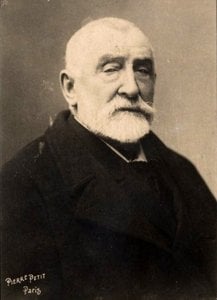
Henri-Joseph Harpignies

Henri-Joseph Harpignies

1819 - 1916 , Franța

Informații esențiale

  • Artistic Movement Or Style: Barbizon
  • Artists Who Influenced This Artist:
    • Jean Achard
    • Jean Baptiste Camille Corot
  • Date Of Birth: 28 iunie 1819
  • Date Of Death: 28 august 1916
  • Full Name: Henri-Joseph Harpignies
  • Nationality: Belgian
  • Notable Artworks:
    • Soir sur les bords de la Loire
    • Les Corbeaux
    • Le Soir
    • Le Saut-du-Loup
    • La Loire
  • Place Of Birth: Valenciennes, Franța