PrevizualizarePrevizualizare Previzualizare ARPrevizualizare AR Comandă pictură lucrată manual Comandă pictură lucrată manualComută pe Imagine Digitală Comută pe Imagine Digitală TrimiteTrimite
Detalii despre lucrareDetalii despre lucrare Adaugă la favorite Adaugă la favorite DescarcăDescarcă Produse similareProduse similare RadiografieRadiografie Diapozitive automateDiapozitive automate StatisticiStatistici

erasmus

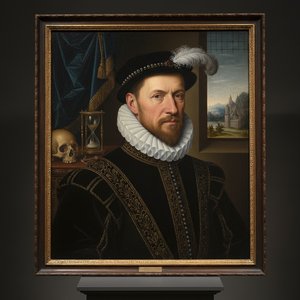
Admire Hans Holbein’s "Erasmus" portrait – a masterful Renaissance depiction of an elderly scholar. Explore its realism, symbolism & rich details in this iconic artwork.

Hans Holbein cel Tânăr (1497-1543): Maestru în pictură realistă renascentistă, cunoscut pentru portrete regale Tudor precum Henricul VIII și detalii minuțioase. Descoperă opere impresionante!

Giclée / Imprimare artistică

Printuri giclée sau pe canvas de calitate muzeală, cu proces de producție rapid și opțiuni flexibile de finisare. (Comandă pictură lucrată manual Comandă pictură lucrată manualComută pe Imagine Digitală Comută pe Imagine Digitală)

P118B $10
P118H $10
P118W $10
P438Z $10
P508JH $12
P508YH $12
P805H $10
P805Z $10
P919BZ $10
P919G $10
P919XJ $10
P959ZH $10
P968JZ $12
W106C $8
W218G $10
W218JH $8
W218Y $10
W307PJ $10
W316G $10
W316PJ $8
W316Y $10
W398PJ $8
W4111J $10
W500HY $15
W500JH $15
W692G $12
W849H $8
W940BG $15
W953PJ $8

Standard
personalizat
CM
INCH

Alegeți dintre dimensiunile noastre prestabilite, care respectă proporțiile originale ale operei de artă.

lățime
înălțime

Puteți introduce propriile dimensiuni pentru a se potrivi unui anumit cadru sau spațiu. Dacă dimensiunea selectată nu corespunde proporțiilor imaginii originale, vom decupa lucrarea de artă sau vom extinde imaginea cu margini oglindite sau cu o culoare uniformă. Un mockup digital va fi trimis pentru aprobarea dumneavoastră înainte de începerea producției.
Vă rugăm să rețineți că previzualizarea de pe ecran nu reflectă decuparea sau extinderea reală. Doar mockup-ul va arăta cu exactitate compoziția finală.
Deși dimensiunile personalizate sunt disponibile, vă recomandăm să selectați o dimensiune din lista predefinită pentru a păstra proporțiile originale.

Livrare în întreaga lume () în 2 săptămâni, în loc de cele 4/5 săptămâni standard. (12 Septembrie)

why_choose_icon
Livrare expres gratuită la nivel mondial
why_choose_icon
Pânză de in de înaltă calitate
why_choose_icon
Asigurare completă pentru transport
why_choose_icon
Garanție de rambursare a taxelor vamale
why_choose_icon
Garanția fidelității culorilor
why_choose_icon
Politica de retur de 100 de zile (doar pentru defecte)
why_choose_icon
Garanție de rambursare 100%
why_choose_icon
Ofertă pentru comenzi multiple

Preț total

$ 68

reproduction

erasmus

Giclée / Imprimare artistică

Dimensiune reproducere

-

Preț total calculat

$ 68

Informații rapide

  • Medium: Oil on wood
  • Artistic style: Realistic portraiture
  • Dimensions: 43 x 33 cm
  • Notable elements: Writing, study details
  • Artist: Hans Holbein the Younger
  • Movement: Northern Renaissance
  • Influences: Renaissance

Test de cultură artistică

Fiecare întrebare are un singur răspuns corect.

Întrebare 1:
What is the primary subject of Hans Holbein the Younger’s ‘Erasmus’?
Întrebare 2:
According to the description, what is notable about the details in Holbein’s ‘Erasmus’ portrait?
Întrebare 3:
What historical context is suggested by the presence of a tapestry in the background of ‘Erasmus’?
Întrebare 4:
The description mentions that Holbein’s portrait of Erasmus was likely intended for whom?
Întrebare 5:
What technique is highlighted in the description as a key element of Holbein’s artistic skill?

A Window into the Mind: Hans Holbein’s Portrait of Erasmus

Hans Holbein the Younger's “Portrait of Erasmus of Rotterdam,” painted around 1523, isn’t merely a likeness; it’s an intimate glimpse into the soul of one of the most influential humanists of his time. This remarkable work transcends simple portraiture, offering a profound meditation on scholarship, contemplation, and the very act of creation. The painting immediately draws the viewer in with its remarkably realistic depiction of Erasmus, a man whose intellectual pursuits shaped the course of European thought. Holbein’s skill isn't just evident in the meticulous rendering of wrinkles and textures – the slightly furrowed brow, the subtle sag beneath the chin – but also in his ability to convey a sense of profound concentration.

The scene unfolds within an interior setting, subtly suggesting Erasmus’s scholarly world. A tapestry depicting fantastical flora and beasts hints at the vastness of classical knowledge he sought to master. The wooden paneling, a hallmark of Renaissance interiors, anchors the composition while simultaneously drawing attention to the central figure. Crucially, Holbein doesn't present Erasmus as an aloof sage; instead, he captures him actively engaged in his work – poised over a writing desk, quill in hand, immersed in the process of intellectual labor. This dynamic pose is revolutionary for its time, moving away from static depictions of learned men and offering a more relatable image of the scholar at work.

The Humanist Ideal: Symbolism and Context

Erasmus himself was a pivotal figure in the burgeoning humanist movement, advocating for a return to classical learning and a critical examination of religious dogma. His “Annotations on the New Testament,” groundbreaking works that championed textual accuracy and ethical reasoning, profoundly impacted the Reformation. Holbein’s portrait perfectly embodies this humanist ideal – Erasmus is presented as an individual driven by reason, intellect, and a deep engagement with the world of ideas. The open book on the desk, likely containing excerpts from his own writings, further reinforces this connection to scholarship.

The inclusion of the Latin couplet, “I am Johannes (i.e. Hans) Holbein, whom it is easier to denigrate than to emulate,” inscribed on the back of the panel, adds a layer of self-awareness and playful irony. It’s a subtle acknowledgment of Holbein's own artistic prowess and a testament to the enduring challenge of capturing true likeness. This inscription also highlights the reciprocal relationship between artist and subject – Erasmus recognized Holbein’s skill while simultaneously acknowledging the difficulty in replicating his essence.

Technique and Craftsmanship: A Master at Work

Holbein's mastery is immediately apparent in the painting’s technical execution. The use of oil paint on wood allows for incredible detail, depth, and luminosity. Notice the subtle gradations of light and shadow that model Erasmus’s face, creating a sense of volume and realism. The artist employs *sfumato*, a technique borrowed from Leonardo da Vinci, to soften edges and create an atmospheric effect, lending the portrait a sense of immediacy and intimacy.

Furthermore, Holbein demonstrates remarkable attention to texture – the rough weave of the fur collar, the sheen of the leather-bound book, the delicate brushstrokes that capture the quill’s point. These details elevate the painting beyond mere representation, transforming it into a tangible embodiment of Erasmus's world and his intellectual pursuits. The presence of *pentimenti*—evidence of alterations made during the painting process—further underscores Holbein’s meticulous approach and his willingness to refine his work until it perfectly captured the subject’s essence.

A Legacy of Insight: The Portrait Today

“Portrait of Erasmus of Rotterdam” remains a powerful testament to the enduring legacy of Renaissance humanism. It's more than just a beautiful painting; it’s a window into the mind of a brilliant scholar and a celebration of the pursuit of knowledge. The portrait’s continued appeal lies in its ability to evoke a sense of intellectual curiosity, quiet contemplation, and the profound connection between art and ideas. Reproductions of this iconic work offer a chance to bring this timeless image into any space, serving as a constant reminder of the power of human intellect and the beauty of artistic expression.


Biografie artist

A Life Etched in Detail: The World of Hans Holbein the Younger

Born around 1497 in Augsburg, Germany, Hans Holbein the Younger emerged as a defining figure of the Northern Renaissance—a master portraitist whose work continues to resonate with breathtaking realism and psychological depth. His upbringing within an artistically gifted family laid the foundation for his exceptional talent; his father, Hans Holbein the Elder, was a respected painter and printmaker who instilled in young Hans a meticulous approach to observation and technique. This early training wasn’t merely about mastering brushstrokes or mixing pigments—it was about learning to *see*, to capture not just likeness but the very essence of a subject. Holbein's initial artistic explorations occurred within his father’s workshop, where he honed his skills before embarking on a journey that would lead him through Switzerland and ultimately to the heart of the English court.

From Basel to the Tudor Court: A Rising Star

After completing his apprenticeship, Holbein traveled extensively throughout Switzerland, establishing himself as an independent artist with a growing reputation. He spent several formative years in Basel, creating not only striking portraits but also religious works and intricate woodcut designs—most notably the haunting series depicting the *Dance of Death*. These early pieces reveal a burgeoning mastery of composition and a developing fascination with capturing the complexities of human emotion. His father’s influence was paramount; Holbein inherited his meticulous attention to detail and unwavering dedication to artistic excellence. The Basel workshop fostered an environment where observation reigned supreme—a crucial element in Holbein's future success as a portraitist. He skillfully blended German artistic traditions with influences from the Italian Renaissance, absorbing techniques that would elevate his craft to unprecedented heights. It was in 1526 that fate intervened, drawing Holbein towards England, an event that would irrevocably alter his artistic trajectory. He arrived bearing a letter of introduction from Erasmus, the renowned humanist scholar, which opened doors to the influential circles of English society. His talent quickly captivated prominent figures like Sir Thomas More, who became both a patron and a subject for several compelling portraits. This connection proved pivotal, leading to Holbein’s appointment as a court painter to King Henry VIII in 1536—a position he held, with some interruptions, until his untimely death in 1543. During this period, Holbein documented the grandeur of Tudor England and immortalized its rulers, solidifying his place in history as one of the most celebrated artists of his time.

The Art of Perception: Style and Masterpieces

Holbein's artistic style is characterized by an extraordinary commitment to realism, achieved through painstaking attention to detail in rendering textures, fabrics, and the subtle nuances of facial features. He didn’t simply *paint* portraits; he meticulously constructed them, layer upon layer, capturing not just physical appearances but also the personality and inner life of his sitters. His innovative compositions further enhanced the impact of his work, often employing symbolic objects or backgrounds to convey deeper meaning. The Ambassadors (1533) stands as a testament to this approach—a complex and symbolically rich double portrait showcasing both Holbein’s technical brilliance and intellectual depth. The anamorphic skull subtly embedded within the painting serves as a stark *memento mori*, reminding viewers of the inevitability of death. This masterful use of perspective and symbolism exemplifies Holbein's dedication to conveying more than just visual likeness—he aimed to capture the spirit of his subjects and communicate profound philosophical ideas. His numerous portraits of Henry VIII established a lasting image of royal power, portraying him with unflinching honesty and capturing his regal demeanor. He skillfully rendered Henry VIII’s physical features with remarkable accuracy, reflecting Holbein's unwavering commitment to realism. Beyond technical skill, Holbein possessed an exceptional ability to convey psychological depth—a hallmark of his portraits that distinguishes them from earlier depictions of monarchs. Other notable works include the stunning *Portrait of Nikolaus Kratzer* (1528), a masterpiece of realism and scientific detail—a testament to Holbein’s fascination with observation and his desire to represent subjects in their entirety. He didn't merely record appearances—he captured moments in time, preserving them for posterity.

Legacy and Influence: A Lasting Impression

Holbein’s artistic journey was shaped by a confluence of influences, blending the precision of German artistic traditions with the compositional principles of the Italian Renaissance. He admired the work of Albrecht Dürer and other German masters while also studying Italian art during his travels, absorbing their techniques and incorporating them into his own unique style. His legacy is profound; Holbein’s portraits set a new standard for realism and psychological insight in portraiture, influencing generations of artists who followed. His depictions of key figures during the Tudor period provide invaluable insights into the lives and personalities of those who shaped English history. He remains one of the most admired and studied painters of the Renaissance—a master whose work continues to inspire and enthrall audiences worldwide.
Hans Holbein cel Tânăr

Hans Holbein cel Tânăr

1497 - 1543 , Germania

Detalii rapide

  • Artistic Movement Or Style: Renaissance Kunst
  • Artists Or Movements Influenced By This Artist: ['Spätere Porträtkunst']
  • Artists Who Influenced This Artist: ['Albrecht Dürer']
  • Date Of Birth: c. 1497
  • Date Of Death: October or November 1543
  • Full Name: Hans Holbein der Jüngere
  • Nationality: Germanisch-Schwäbisch
  • Notable Artworks:
    • Die Botschafter
    • Porträt Heinrich VIII.
    • Porträt Erasmus
  • Place Of Birth: Augsburg, Germania
Explorați opere de artă organizate pe teme, stiluri și caracteristici.