Începuturile și Formarea Artistică
Gustav Klimt, născut pe 14 iulie 1862 în Baumgarten, lângă Viena, a apărut într-o familie marcată de o sensibilitate artistică profundă, dar și de dificultăți financiare. Tatăl său, Ernst Klimt, era un gravor aurar, o profesie care avea să influențeze subtil, dar decisiv, estetica tânărului Gustav – fascinația pentru auriu, meticulozitatea detaliilor, opulența pură. Greutățile familiei au dus la mutări frecvente în Viena, o copilărie itinerantă care i-a cultivat probabil lui Klimt o observație acută a mediului înconjurător și o sensibilitate sporită față de experiența umană. Încă din copilărie, abilitățile sale de desen au fost remarcabile, hrănite de profesia tatălui său și de un talent înnăscut care s-a manifestat rapid. În 1876, a intrat la Școala de Arte Aplicate din Viena (Kunstgewerbeschule), începând o pregătire formală în pictura arhitecturală sub îndrumarea lui Ferdinand Laufberger. Aceasta i-a oferit o bază tehnică solidă, dar l-a expus și la stilurile academice predominante – stiluri pe care Klimt avea să le conteste și să le depășească ulterior. Aici a format, de asemenea, un parteneriat artistic important cu fratele său, Ernst, și Franz von Matsch, o colaborare care i-a asigurat primele comenzi pentru fresce decorative și tavane, punând bazele succesului viitor.
Ascensiunea Secesiunii Vieneze
Până în anii 1890, Klimt devenise din ce în ce mai deziluzionat de establishmentul artistic conservator din Viena. Tânjea după o libertate creativă mai mare, un spațiu unde inovația să poată prospera fără constrângerile tradiției. Această dorință a culminat cu formarea Secesiunii Vieneze în 1897, un moment crucial în istoria artei austriece. Klimt a fost ales primul președinte al acesteia, devenind figura emblematică a unei mișcări care căuta să rupă cu normele academice rigide și să îmbrățișeze noile curente artistice care străbăteau Europa – Art Nouveau, Simbolismul și Japonismul. Clădirea expozițională proprie a Secesiunii, proiectată de Joseph Maria Olbrich, a devenit un simbol al acestei rebeliuni, un templu dedicat artei moderne. Opera lui Klimt era centrală pentru ethosul Secesiunii, întruchipând respingerea esteticii convenționale și îmbrățișarea elementelor decorative, a culorilor îndrăznețe și a imaginilor simbolice. Picturile sale au început să exploreze teme precum dragostea, moartea și sexualitatea cu o sinceritate fără precedent, sfidând normele societale și provocând admirație, dar și indignare.
Faza de Aur și Maturitatea Artistică
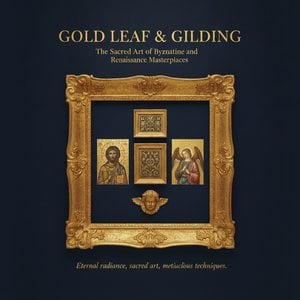
În jurul anului 1900, Klimt a intrat într-o perioadă cunoscută sub numele de „faza de aur”, caracterizată prin utilizarea generoasă a foitei de aur, inspirată de mozaicurile bizantine și manuscrisele medievale iluminate. Această tehnică a transformat picturile sale în viziuni eterice, strălucitoare, încărcate cu un sentiment de profunzime spirituală și senzualitate.
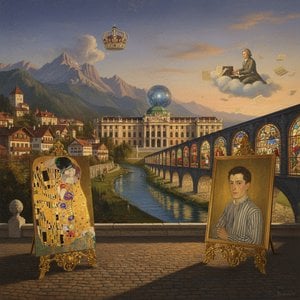
Sărutul (1907-1908), probabil cea mai iconică lucrare a sa, exemplifică acest stil – un cuplu îmbrățișat strâns, învăluit într-o aură de aur, corpurile lor împodobite cu modele intricate. Această perioadă l-a văzut pe Klimt realizând o serie de portrete uimitoare, inclusiv *Portretul Adelei Bloch-Bauer I* (1907), care a demonstrat capacitatea sa de a surprinde nu numai asemănarea fizică, ci și complexitatea psihologică a subiecților săi. A estompat din ce în ce mai mult granița dintre pictură și ornamentație, integrând elemente decorative în compozițiile sale pentru a crea o fuziune armonioasă de formă și conținut. Influența artei japoneze – Japonismul – era evidentă în perspectiva sa aplatizată, accentuarea liniei și utilizarea modelelor decorative.
Controversa, Influențe și Moștenirea Durabilă
Cariera lui Klimt nu a fost lipsită de controverse. În 1900, a primit o comandă prestigioasă pentru a picta fresce pe tavanul Marii Sali a Universității din Viena, reprezentând Filosofia, Jurisprudența și Teologia. Cu toate acestea, aceste lucrări – în special *Filosofia* – au fost considerate provocatoare și chiar pornografice de criticii conservatori, ceea ce a dus la proteste publice și, în cele din urmă, la refuzul lui Klimt de a accepta alte comenzi publice. Acest incident a marcat un punct de cotitură în cariera sa, împingându-l către patronajul privat și oferindu-i o mai mare libertate artistică. De-a lungul vieții sale, Klimt a fost influențat de o gamă diversă de artiști și stiluri – de la picturile istorice ale lui Hans Makart până la artele decorative din Bizanț și Japonia. S-a inspirat, de asemenea, din mișcarea simbolistă, explorând teme precum mitologia, alegoria și subconștientul. Gustav Klimt a continuat să picteze prolifice până la moartea sa pe 6 februarie 1918, în urma unui accident vascular cerebral în timpul pandemiei de gripă spaniolă. Ultimele sale lucrări au explorat forme mai abstracte și peisaje, demonstrând o evoluție artistică continuă. Este acum recunoscut ca una dintre cele mai importante figuri din istoria artei austriece, un exponent principal al Secesiunii Vieneze și un simbol durabil al eleganței Art Nouveau.
Picturile sale ating prețuri mari la licitații, iar influența sa continuă să rezoneze în arta și designul contemporan.
Caracteristici Cheie & Stil Artistic
- Simbolism: Opera lui Klimt este profund simbolică, explorând adesea teme precum dragostea, moartea, sexualitatea și condiția umană.
- Art Nouveau: A fost o figură principală în mișcarea Art Nouveau, caracterizată prin liniile sale organice, modelele decorative și accentul pe frumusețe.
- Faza de Aur: Utilizarea foitei de aur a creat suprafețe strălucitoare, opulente, care au devenit stilul său semnătură.
- Elemente Decorative: Klimt a integrat elemente decorative în compozițiile sale, estompând granița dintre pictură și ornamentație.
- Forma Feminină: Corpul feminin era un subiect central în opera sa, adesea descris cu senzualitate și profunzime psihologică.



 Vezi în context
 Comută pe versiunea Print
 Trimite
 Distribuie
 Detalii
 Ghidul

 Descarcă
 Produse similare
 Radiografie
 Diaporama
 Statistici


 Citește mai mult






































 Opțiunea cu sticlă este disponibilă doar pentru dimensiuni de sub 110 cm