Biografie artist
Giuseppe Arcimboldo: Un Artist Călător în Lumea Simbolurilor
Giuseppe Arcimboldo, un nume care evocă imagini atât de bizare, cât și profund sugestive, rămâne una dintre cele mai singulare figuri din istoria artei renascentiste. Născut în Milano în 1527, cariera sa a avut loc pe fundalul unei Europe impregnate de ferment intelectual, de tulburări religioase și de o curiozitate insațiabilă față de lumea naturală. Deși inițial recunoscut pentru lucrări mai convenționale – fresce care împodobeau catedralele și portrete respectând standardele cortezane consacrate, moștenirea sa durabilă se bazează pe o serie de capete compuse construite în întregime din obiecte meticulos aranjate: fructe, legume, flori, cărți, chiar și instrumente muzicale. Acestea nu erau simple exerciții ludice de iluzie vizuală; ele erau alegorii complexe, încărcate de simbolism care rezonau profund în mentalitatea renascentistă și continuă să fascineze publicul de astăzi. Tatăl său, Biagio Arcimboldo, era un artist în sine, oferind fiului său o pregătire artistică timpurie și influențând probabil incursioara sa inițială în domeniul designului pentru vitralii și fresce la Catedrala din Milano începând cu aproximativ 1549. Această experiență fundamentală a perfecționat abilitatea sa tehnică și simțul detaliilor – calități care să devină marcatorii caracteristici ai creațiilor sale ulterioare, mai neconvenționale.
Călătorii în Curțile Imperiale: De la Milano la Viena și Praga
Traiectoria lui Arcimboldo a luat o întorsătură semnificativă în 1562, când a fost numit pictor de portret al împăratului Ferdinand I la curtea habsburgică din Viena. Acest lucru a marcat începutul a peste două decenii petrecute servind ca un polivalent artistic pentru trei succesor Habsburg: Maximilian II și fiul său, Rudolf II. Dincolo de pictarea portretelor – deși chiar și acestea adesea prezintă subtile eccentricități – Arcimboldo avea și alte responsabilități, inclusiv designul costumelor, decorarea festivalurilor și organizarea colecțiilor imperiale. În acest mediu de gust rafinat și curiozitate intelectuală, stilul său distinctiv a început să se dezvolte. Cererea cortezană pentru noutate și spectacol oferea un teren fertil pentru experimentare, permițându-i să depășească pictura tradițională în crearea unor capete compuse celebre. Acestea nu au fost născute dintr-o impulsitate bruscă, ci s-au dezvoltat treptat, construindu-se pe fascinația renascentistă pentru puzzle-uri, ghicări și explorarea sensurilor ascunse în obiecte aparent banale. Influența artiștilor anteriori care au experimentat cu efecte *trompe l'oeil* și distorsiuni perspective poate fi detectată, dar Arcimboldo a sintetizat aceste elemente într-un ceva cu adevărat unic – o limbaj vizual distinctiv care a pus sub semnul întrebării concepțiile convenționale despre reprezentare.
Decodificarea Simbolismului: Mai Mult Decât Se Pare
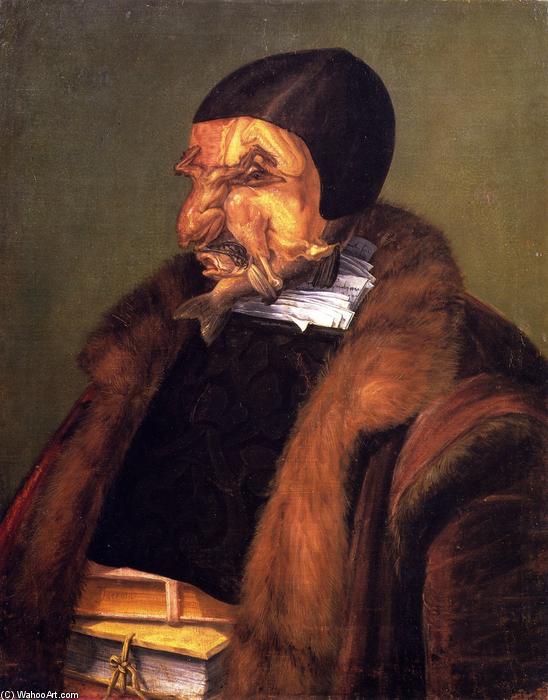
Să respingi munca lui Arcimboldo ca fiind doar o frivolitate este să neglijezi adâncimea sa intelectuală profundă. Fiecare obiect din capetele sale compuse era ales cu grijă, încărcat de semnificație simbolică legată de caracterul sedintei, profesia sau statutul social. *The Librarian*, de exemplu, nu este doar un chip construit din cărți; este o critică subtilă a pretendenței intelectuale – un comentariu asupra celor care se înghesuie în cunoștințe fără a se implica cu adevărat în conținutul lor. Coama animalelor formează un element de contrast, sugerând praf și moloz, indicând volume uitate pe rafturi. Similar, portretele sale ale anotimpurilor – în special *Vertumnus*, care reprezintă împăratul Rudolf II ca zeul roman al grădinilor și al schimbării – sunt pline de simbolism botanic, reflectând patronajul împăratului față de știință și istorie naturală. Acestea nu au fost concepute pentru a fi decodificate imediat; au fost create pentru a provoca contemplarea, invitând privitorii să dezlege straturi de sens ascunse în aranjamentul aparent jucăuș al obiectelor. Actul însuși al construirii unei forme umane din obiecte inanimate a servit ca o meditație asupra interconectării tuturor lucrurilor – o reflecție a credinței neoplatoniciste renascentiste că există o armonie fundamentală în univers.
O Precursor la Surrealism: Recunoașterea și Influența
Deși a avut succes în timpul vieții sale, reputația lui Arcimboldo a scăzut în secolele următoare morții sale din 1593, fiind relegată adesea în sfera curiozităților – apreciată pentru abilitatea sa tehnică, dar respinsă ca lipsită de valoare artistică serioasă. A fost recunoscută doar în secolul XX, datorită apariției artiștilor surrealisti precum Salvador Dalí, care au văzut în el un spirit asemănător - un vizionar care a îndrăznit să sfideze concepțiile convenționale și să exploreze subconștientul prin juxtapoziții neașteptate de imagini. Influența lui Arcimboldo poate fi observată în compozițiile onirice ale lui Dalí și în fascinația acestuia față de metamorfoză și iluzie. Astăzi, Arcimboldo este celebrat ca o figură cheie în istoria artei – un precursor al Surrealismului, a cărui utilizare inovatoare a simbolismului și distorsiune jucăușă continuă să inspire artiștii și să captiveze publicul deopotrivă. Lucrările sale sunt expuse în muzee prestigioase precum Muzeul Kunsthistorisches din Viena și Muzeul Habsburg din Innsbruck, asigurând că viziunea sa unică va continua să rezoneze pentru generațiile viitoare. *Moștenirea sa este o mărturie a puterii durabile a imaginației și a capacității artei de a ne schimba înțelegerea lumii din jurul nostru.*


 Vezi în context
 Comandă pictură realizată manual
 Trimite
 Distribuie
 Detalii
 Ghid
Ghid

 Descarcă
 Produse similare
 Radiografie
 Diaporama
 Statistici


 Citește mai mult






































 Opțiunea cu sticlă este disponibilă doar pentru dimensiuni de sub 110 cm