x
PrevizualizarePrevizualizare Previzualizare ARPrevizualizare AR Comandă pictură lucrată manual Comandă pictură lucrată manualCumpără imaginea Cumpără imaginea TrimiteTrimite
Detalii despre lucrareDetalii despre lucrare Adaugă la favorite Adaugă la favorite DescarcăDescarcă Produse similareProduse similare RadiografieRadiografie Diapozitive automateDiapozitive automate

Perspective View (Stage design)

Discover Canaletto's 'Perspective View (Stage design)': A captivating capriccio depicting a fantastical Roman Capitol stage set, showcasing intricate details and masterful perspective.

Canaletto: Maestru al peisajelor venetiane! Explorează vederile sale detaliate, influența sa asupra artei secolului XVIII și stilul său unic de "vedute". Descoperă frumusețea Veneției prin operele sale.

Giclée / Imprimare artistică

Printuri giclée sau pe canvas de calitate muzeală, cu proces de producție rapid și opțiuni flexibile de finisare. (Comandă pictură lucrată manual Comandă pictură lucrată manualCumpără imaginea Cumpără imaginea)

P118B $10
P118H $10
P118W $10
P438Z $10
P508JH $12
P508YH $12
P805H $10
P805Z $10
P919BZ $10
P919G $10
P919XJ $10
P959ZH $10
P968JZ $12
W106C $8
W218G $10
W218JH $8
W218Y $10
W307PJ $10
W316G $10
W316PJ $8
W316Y $10
W398PJ $8
W4111J $10
W500HY $15
W500JH $15
W692G $12
W849H $8
W940BG $15
W953PJ $8

Standard
personalizat
CM
INCH

Alegeți dintre dimensiunile noastre prestabilite, care respectă proporțiile originale ale operei de artă.

lățime
înălțime

Puteți introduce propriile dimensiuni pentru a se potrivi unui anumit cadru sau spațiu. Dacă dimensiunea selectată nu corespunde proporțiilor imaginii originale, vom decupa lucrarea de artă sau vom extinde imaginea cu margini oglindite sau cu o culoare uniformă. Un mockup digital va fi trimis pentru aprobarea dumneavoastră înainte de începerea producției.
Vă rugăm să rețineți că previzualizarea de pe ecran nu reflectă decuparea sau extinderea reală. Doar mockup-ul va arăta cu exactitate compoziția finală.
Deși dimensiunile personalizate sunt disponibile, vă recomandăm să selectați o dimensiune din lista predefinită pentru a păstra proporțiile originale.

Livrare în întreaga lume () în 2 săptămâni, în loc de cele 4/5 săptămâni standard. (1 Septembrie)

why_choose_icon
Livrare expres gratuită la nivel mondial
why_choose_icon
Pânză de in de înaltă calitate
why_choose_icon
Asigurare completă pentru transport
why_choose_icon
Garanție de rambursare a taxelor vamale
why_choose_icon
Garanția fidelității culorilor
why_choose_icon
Politica de retur în 60 de zile (doar pentru defecte)
why_choose_icon
Garanție de rambursare 100%
why_choose_icon
Ofertă pentru comenzi multiple

Preț total

$ 68

reproduction

Perspective View (Stage design)

Giclée / Imprimare artistică

Dimensiune reproducere

-

Preț total calculat

$ 68

Informații rapide

  • Movement: Venetian School
  • Title: Perspective View (Stage design)
  • Medium: Oil on canvas
  • Notable elements or techniques: Perspective, foreshortening
  • Artistic style: Veduta, Capriccio
  • Artist: giovanni antonio canal

Test de cultură artistică

Fiecare întrebare are un singur răspuns corect.

Întrebare 1:
What is the primary subject depicted in ‘Perspective View (Stage design)’?
Întrebare 2:
The description mentions that the painting may have been created shortly after Canaletto’s stay in Rome. What does this suggest about its style?
Întrebare 3:
The painting features a prominent equestrian monument. What historical figure does it resemble?
Întrebare 4:
According to the description, what is a key characteristic of Canaletto’s style that has been debated by scholars?
Întrebare 5:
What type of perspective is prominently featured in ‘Perspective View (Stage design)’?

A Captivating Vision of Venetian Theatre

Canaletto’s “Perspective View (Stage Design)” is more than just a depiction of a bustling scene; it's a window into the vibrant theatrical culture of 18th-century Venice. Painted likely in the early 1720s, this capriccio – a term Canaletto himself employed for imaginary or idealized views – transports us to a fantastical Capitol, glimpsed through a grand loggia adorned with Corinthian columns and shimmering with golden ornamentation. The composition is anchored by an equestrian monument, reminiscent of Marcus Aurelius, rising majestically from the steps of a triumphal arch, creating a powerful sense of grandeur and historical resonance.

The painting’s genius lies not merely in its technical precision but also in its evocative atmosphere. Canaletto masterfully employs linear perspective to draw the viewer into this meticulously rendered space. The receding lines of the loggia, the diminishing scale of the statues, and the subtle shifts in light create a convincing illusion of depth, inviting us to step through the painted world and become part of the scene. Notice how he uses atmospheric perspective – distant elements are paler and less defined, contributing to the overall sense of vastness and theatrical spectacle.

The Artist’s Context: Canaletto and Venetian Topography

Giovanni Antonio Canal, known as Canaletto, was a pivotal figure in the development of topographical painting. Born in Venice in 1697, he initially trained under his father, Bernardo Canal, a stage designer for theatrical productions. This early experience instilled in him a deep understanding of perspective and spatial relationships – skills that would later define his remarkable career. Canaletto’s work was profoundly shaped by the bustling commercial activity of Venice, a city renowned for its trade and artistic patronage. He meticulously documented the city's canals, palaces, markets, and everyday life, creating a vast archive of visual records.

His approach differed significantly from earlier Venetian painters who focused primarily on religious or mythological subjects. Canaletto’s interest lay in capturing the tangible reality of Venice – its architecture, its people, and its atmosphere. This shift towards secular subject matter reflected a broader cultural trend during the 18th century, as artists increasingly sought to depict the world around them with greater accuracy and detail. The painting's attribution has been debated by scholars, but Stefano Susinno recognized it as a unique example in Canaletto’s oeuvre due to its drawing, points of light, and similarities to other capricci.

Symbolism and Theatrical Allusion

Beyond its technical brilliance, “Perspective View (Stage Design)” is rich in symbolic meaning. The equestrian monument, a reference to Roman emperors, suggests an ideal of leadership and power. The triumphal arch evokes the grandeur of ancient Rome, while the golden ornaments symbolize wealth and prestige. The inclusion of figures engaged in various activities – musicians, spectators, and performers – underscores the importance of theatre as a central element of Venetian society. It’s a scene brimming with life, energy, and the allure of entertainment.

Interestingly, scholars believe this painting may have been created shortly after Canaletto's stay in Rome (1718-1720), possibly inspired by the city’s ancient ruins and theatrical traditions. The presence of numerous architectural elements reminiscent of Roman antiquity suggests a deliberate attempt to evoke the spirit of the classical world.

A Legacy of Precision and Vision

“Perspective View (Stage Design)” stands as a testament to Canaletto's exceptional skill and artistic vision. It’s a captivating blend of realism, imagination, and theatricality – a painting that continues to delight and intrigue viewers centuries after its creation. Reproductions of this work offer a remarkable opportunity to experience the beauty and detail of Canaletto’s artistry in your own home or office, bringing a touch of Venetian elegance and historical grandeur to any space.


Biografie artist

Early Life and Artistic Foundations

Giovanni Antonio Canal, more commonly known as Canaletto, was born on October 18, 1697, in the heart of Venice – a city that would indelibly shape his artistic vision and become the enduring subject of countless paintings. His origins were humble; he was the son of Bernardo Canal, a skilled painter specializing in theatrical scene settings, and Artemisia Barbieri. From an early age, young Giovanni was immersed in the world of art, learning the fundamentals directly from his father’s workshop. This foundational training instilled within him a meticulous attention to detail and a deep understanding of composition – qualities that would later define his distinctive style. The bustling atmosphere of Venice, with its intricate canals, vibrant markets, and grand palaces, provided an endless source of inspiration for a young artist eager to capture the essence of his surroundings.

The Roman Years: Seeds of Innovation

In 1718, Canaletto embarked on a transformative journey to Rome. This period proved pivotal in shaping his artistic development. He immersed himself in the vibrant art scene of the Eternal City, studying the works of masters like Caravaggio and learning new techniques. Crucially, he encountered Giovanni Paolo Pannini, a renowned vedutista – a painter specializing in cityscapes – whose meticulous observation and precise rendering profoundly influenced Canaletto’s own approach to topographical painting. Pannini's emphasis on capturing the details of urban life, combined with his innovative use of perspective, ignited within Canaletto a desire to document Venice with unprecedented accuracy and beauty.

The Rise of the Veduta: A Venetian Master Emerges

Upon returning to Venice in 1720, Canaletto quickly established himself as a respected artist. He began by producing scenic backdrops for theatrical productions, honing his skills in composition and color. However, it was his growing fascination with capturing the city’s visual reality that truly set him apart. He developed a signature style known as “veduta,” meaning “view” or “vista.” This involved painstaking preparatory drawings – often dozens of them – meticulously documenting every angle, perspective, and detail of the cityscape. These detailed studies served as the basis for his finished paintings, allowing him to create remarkably realistic and immersive depictions of Venice. Notable early works like "The Stonemason's Yard" (circa 1725) showcased his burgeoning talent and established a reputation for capturing the everyday life of Venetian citizens.

Collaborations and International Recognition

Canaletto’s success attracted commissions from prominent patrons, including the Palazzo Ducale, the French embassy, and even the British royal family. He collaborated extensively with his nephew, Bernardo Bellotto, who became an accomplished artist in his own right, often adopting “Canaletto” as a professional name to enhance his career, particularly in countries where his uncle was not actively working. His work gained international recognition, notably when he produced a series of paintings for the English nobleman, Prince George of Great Britain. These works, depicting scenes from London’s social and political life, cemented Canaletto's reputation as a skilled observer of human behavior and a master of capturing the atmosphere of different cities.

Artistic Techniques and Legacy

Canaletto’s artistic prowess was not simply about replicating reality; it was about transforming observation into art. While some scholars have speculated that he may have employed a camera obscura – a device used to project an image of the outside world onto a surface – for enhanced accuracy, his primary focus remained on masterful composition and skillful use of light and shadow. His paintings are characterized by their remarkable clarity, precision, and a subtle sense of atmosphere. Canaletto’s legacy extends far beyond his own lifetime. He profoundly influenced generations of artists, particularly in the development of the “veduta” genre, and his works continue to be admired for their beauty, detail, and enduring appeal. His paintings are now housed in prestigious museums around the world, including the National Gallery in London, a testament to his lasting contribution to the history of art.
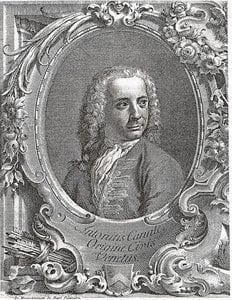
Canaletto

Canaletto

1697 - 1768 , Italia

Detalii rapide

  • Artistic Movement Or Style: Vedute Veneția
  • Artists Or Movements Influenced By This Artist: ['Bernardo Bellotto']
  • Artists Who Influenced This Artist: ['Giovanni Paolo Pannini']
  • Date Of Birth: 18 oct. 1697
  • Date Of Death: 19 apr. 1768
  • Full Name: Giovanni Antonio Canal
  • Nationality: Italian
  • Notable Artworks:
    • Stonemar. Yard
    • Regatta Canal Grande
    • Eton College
  • Place Of Birth: Veneția, Italia
Explorați opere de artă organizate pe teme, stiluri și caracteristici.