Vezi în context Previzualizare AR Comută pe versiunea Print Comandă pictură realizată manual Trimite
Detalii Ghid Adaugă la favorite Descarcă Produse similare Radiografie Diaporama Statistici

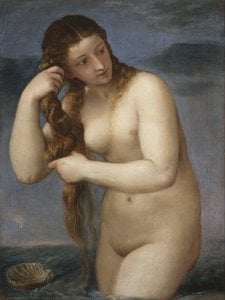
The Sleeping Venus

Descoperă Giorgione (1477/8-1510), pictorul venețian emblematic al Renașterii! Admira opere impresionante precum "Tempesta" și "Concert pastoral", caracterizate de culoare vibrantă și atmosferă poetică.

Achiziționați o imagine digitală de înaltă rezoluție, îmbunătățită, mult superioară previzualizării online.

Fiecare fișier este pregătit cu meticulozitate de specialiștii noștri interni, utilizând instrumente avansate și retușare manuală expertă. Ne asigurăm că fiecare imagine beneficiază de o claritate excepțională, o acuratețe precisă a culorilor și detalii fine.

Fișierul final este livrat prin e-mail în termen de 72 de ore, optimizat pentru utilizare imediată în medii profesionale, editoriale și de imprimare. Aceasta este aceeași calitate în care au încredere studiouri de design, edituri și galerii de top.

Imagine Digitală

Descărcați un fișier la rezoluție înaltă pentru afișare personală, imprimare și proiecte creative. ( Comută pe versiunea Print Comandă pictură realizată manual)

Preț total

$ 24,90

Inclus în fiecare comandă de imagini digitale

Livrare digitală de expertiză, garantată

Când alegeți WahooArt.com, nu primiți doar o simplă imagine – primiți o operă de artă digitală îmbunătățită profesional, creată cu precizie și susținută de o garanție de satisfacție. Iată tot ceea ce primești odată cu comanda ta, în mod automat:

shipping_icon
Livrare rapidă prin e-mail

Fișierul imaginii digitale la rezoluție înaltă vă va fi trimis prin e-mail în termen de 72 de ore de la finalizarea comenzii – gata pentru utilizare imediată.

canvas_icon
Fișier digital optimizat prin IA

Opera ta de artă este optimizată profesional prin intermediul unor instrumente AI avansate și al editării manuale, asigurând un nivel maxim de detalii, claritate și acuratețe a culorilor.

insurance_icon
Retransmitere gratuită pe viață

Ai șters sau ai pierdut din greșeală fișierul? Nu îți face griji – ți-l vom retrimite oricând, gratuit.

tax_icon
Fără taxe de import – Întotdeauna

Bucură-te instant de noua ta operă de artă, fără taxe vamale, taxe de import sau costuri de livrare – descărcările digitale sunt întotdeauna fără taxe.

color_icon
Garanția fidelității culorilor

Asigurăm o reflectare cât mai fidelă a culorilor originale în imaginea ta digitală, prin utilizarea unor instrumente profesionale și a proceselor de gestionare a culorii.

return_icon
Garanție de satisfacție de 100 de zile

Dacă nu sunteți mulțumit de imaginea digitală achiziționată, o vom revizui sau vă vom returna 100% în termen de 100 de zile – fără nicio întrebare.

guarantee_icon
Garanție de returnare 100% a banilor

Nu ești mulțumit? Primești rambursarea integrală în termen de 100 de zile de la primirea fișierului digital – fără nicio întrebare.

discount_icon
Reduceri pentru comenzi în volum

Cumpără 3 imagini, economisește 10% - Cumpără 5, economisește 15% - Cumpără 10+, economisește 20%. Ideal pentru proiecte creative, galerii și agenții.

Detalii rapide

  • Location: Gemäldegalerie Alte Meister, Dresden
  • Dimensions: 109 x 175 cm
  • Subject or theme: Venus (nude)
  • Influences: Bellini
  • Title: The Sleeping Venus
  • Year: 1510
  • Artistic style: Classical

Chestionar de artă

Fiecare întrebare are un singur răspuns corect.

Întrebare 1:
What artistic movement is ‘The Sleeping Venus’ primarily associated with?
Întrebare 2:
In what year was Giorgione's ‘The Sleeping Venus’ likely painted?
Întrebare 3:
What is the primary subject of ‘The Sleeping Venus’?
Întrebare 4:
The landscape background in ‘The Sleeping Venus’ is characteristic of which artistic style?
Întrebare 5:
Giorgione’s painting style is often described as emphasizing what aspect of his subjects?

A Venetian Dream: Unveiling Giorgione’s “The Sleeping Venus”

Giorgione's "The Sleeping Venus," painted in 1510, isn’t merely a depiction of a reclining nude; it’s an immersion into the very heart of Renaissance Venice – a city renowned for its beauty, its sensualism, and its profound artistic legacy. This masterpiece, now residing within the Gemäldegalerie Alte Meister in Dresden, Germany, embodies the High Renaissance's fascination with classical ideals while simultaneously imbuing them with a distinctly Venetian atmosphere. The painting’s enduring appeal lies not just in its technical brilliance but also in the enigmatic serenity it evokes, prompting viewers to contemplate themes of beauty, rest, and perhaps even mortality.

The Figure and Its Setting

At the center of the composition rests a woman, her form languidly draped across a simple cloth. Her head is nestled against one hand, suggesting a profound state of relaxation and vulnerability. Giorgione masterfully avoids a direct gaze; she appears lost in her own thoughts, inviting us to share in her quietude. The landscape surrounding her—rolling hills bathed in the soft light of dusk, punctuated by distant buildings and trees—is not merely a backdrop but an integral part of the narrative. It’s a carefully constructed vista that speaks to the harmony between humanity and nature, a recurring motif within Venetian art. Notice how the muted colors of the landscape – ochres, browns, and greens – subtly contrast with the warmer tones of the figure's skin, creating a visual dialogue between the earthly realm and the idealized beauty represented.

Technique and Giorgione’s Signature Style

Giorgione’s technique is characterized by its remarkable fluidity and atmospheric depth. He employed a loose, almost impressionistic brushstroke, prioritizing the *essence* of his subject over precise detail. This approach, unusual for the time, allows light to diffuse naturally across the canvas, creating an ethereal glow that seems to emanate from within the painting itself. The use of *sfumato*, a technique perfected by Leonardo da Vinci, is subtly present here – softening edges and blending colors to create a hazy, dreamlike quality. Giorgione’s palette is rich yet restrained, relying on subtle shifts in tone rather than bold contrasts. He was less concerned with creating a photographic likeness and more interested in capturing the *feeling* of the scene—a characteristic that has contributed significantly to his enduring mystique.

Symbolism and Historical Context

“The Sleeping Venus” is deeply rooted in classical mythology, referencing the Roman goddess of love and beauty. However, Giorgione’s interpretation transcends simple allegory. The painting can be viewed as a meditation on the transient nature of beauty and pleasure – a poignant reminder that even the most exquisite moments are fleeting. Considering the artist's life, tragically cut short at just thirty-three, adds another layer of poignancy to the work. Some scholars believe the figure represents an idealized Venetian woman, reflecting the city’s celebrated beauty and its embrace of sensual pleasures. The painting also reflects the humanist ideals of the Renaissance, which sought to revive interest in classical art and philosophy, emphasizing human potential and earthly experience.

Bringing “The Sleeping Venus” Home: A Reproduction for Your Space

WahooArt offers meticulously crafted hand-painted reproductions of Giorgione’s "The Sleeping Venus," allowing you to bring this iconic masterpiece into your own home or office. Our artists replicate the painting's delicate brushwork, atmospheric depth, and rich color palette with unparalleled skill. Available in a range of sizes, from intimate wall pieces to grand statement artworks, our reproductions capture the essence of Giorgione’s vision while ensuring exceptional quality and longevity. Whether you are an art collector, interior designer, or simply someone who appreciates timeless beauty, a WahooArt reproduction of “The Sleeping Venus” is a stunning addition to any space – a window into the heart of Renaissance Venice and a testament to the enduring power of art.


Biografie artist

Giorgione (1477/8-1510), a Key High Renaissance Venetian Painter

Giorgio Barbarelli da Castelfranco, known to the world as Giorgione, remains one of the most elusive and captivating figures in Renaissance art. Born in the small town of Castelfranco Veneto near Venice around 1477 or 1478 – the exact year is debated – his tragically short life, ending around 1510 at the age of thirty-two or thirty-three, belies an artistic impact that continues to resonate centuries later. Unlike many of his contemporaries whose lives are well documented, Giorgione’s story is shrouded in mystery, pieced together from scant historical records and the often romanticized accounts of Giorgio Vasari. What we do know suggests a man deeply immersed in the vibrant culture of Venice, a city that fostered both artistic innovation and a sensual appreciation for beauty. He likely apprenticed under Giovanni Bellini, a leading Venetian painter, absorbing the established traditions before forging his own unique path. Early commissions included portraits of prominent figures like Doge Agostino Barbarigo, demonstrating an immediate talent for capturing likeness and status. However, it was in his departure from conventional subject matter and his revolutionary approach to painting that Giorgione truly distinguished himself.

Early Life and Artistic Training

Giorgio Barbarelli’s origins are relatively obscure. He was born into a noble family, though details about his parents remain elusive. His formative years were spent in Castelfranco Veneto, where he received an education focused on humanist studies – a hallmark of the Venetian intellectual landscape at the time. Crucially, he began his artistic training under Giovanni Bellini, arguably Venice’s most influential painter and a master of Venetian tradition. Bellini instilled in Giorgione a profound understanding of perspective and draughtsmanship, yet Giorgione swiftly rejected these conventions, recognizing their limitations in conveying emotion and atmosphere. This decision would prove to be pivotal in shaping his distinctive artistic style.

A Revolutionary Style: Color, Atmosphere, and *Sfumat*

Giorgione’s artistic style marked a significant break from the Florentine preoccupation with linear perspective and precise draftsmanship. He championed color, atmosphere, and an evocative moodiness that became hallmarks of the Venetian school. His technique involved softening outlines, employing subtle gradations of tone – *sfumato* – to create atmospheric effects, and prioritizing overall harmony over meticulous detail. This wasn’t merely a technical choice; it reflected a fundamentally different artistic sensibility. Giorgione sought not to replicate reality but to capture its essence, its fleeting emotions, and its poetic resonance. He famously described his aim as “to make the painting seem to breathe,” capturing the elusive beauty of nature and human experience. This approach wasn’t merely about achieving visual realism; it was about conveying a deeper truth – a sense of mystery and contemplation that captivated audiences and influenced generations of artists. Consider *The Tempest*, Giorgione's masterpiece. The hazy landscape, rendered with delicate gradations of color, evokes the drama of impending storm without resorting to dramatic chiaroscuro—the stark contrast between light and dark—a technique favored by Leonardo da Vinci and Michelangelo. Instead, Giorgione’s palette is rich in muted hues, creating an ethereal glow that envelops the figures within.

Notable Works and Artistic Legacy

Giorgione produced a relatively small number of paintings during his lifetime, yet each work possesses extraordinary artistic merit and continues to inspire admiration. Among his most celebrated creations are *Pastoral Concert*, depicting musicians gathered in a serene meadow—a scene devoid of narrative complexity but brimming with visual beauty and symbolic resonance; *Sleeping Venus*, an enigmatic portrait that embodies Venetian ideals of feminine grace and sensual allure; and *Judith*, which showcases Giorgione’s masterful handling of color and form. His influence extended far beyond his own output, shaping the artistic sensibilities of Titian and other Venetian painters who would carry forward his innovations in color and atmospheric painting. Giorgione's embrace of *sfumato*—the subtle blending of colors to create soft transitions—became a defining characteristic of Venetian art, distinguishing it from Florentine realism and establishing Venice as a beacon of artistic creativity. He remains a symbol of artistic freedom, innovation, and the power of suggestion – a painter who dared to prioritize feeling over form, atmosphere over accuracy, and poetry over narrative.

A Final Mystery: The Enduring Enigma

Giorgione’s death in 1510 remains shrouded in speculation. Vasari attributed his demise to malaria, but recent scholarship suggests that he may have succumbed to tuberculosis—a tragic fate for a man who had achieved such remarkable artistic success. Despite the paucity of biographical information, Giorgione's legacy persists as one of the most profound and influential figures in Renaissance art. His pioneering approach to painting continues to fascinate scholars and artists alike, prompting ongoing debates about his motivations, inspirations, and artistic vision. He stands as a testament to the transformative power of imagination—a painter who dared to transcend convention and capture the elusive beauty of human experience with unparalleled grace and subtlety.
Giorgione

Giorgione

1477 - 1510 , Italia

Informații esențiale

  • Artistic Movement Or Style: Renașterea venețiană
  • Artists Or Movements Influenced By This Artist: ['Titian']
  • Artists Who Influenced This Artist:
    • Giovanni Bellini
    • Mantegna
  • Date Of Birth: 1477/78 sau 1473/74
  • Date Of Death: 1510
  • Full Name: Giorgio Barbarelli da Castelfranco Zorzo
  • Nationality: Italian
  • Notable Artworks:
    • Tempestă
    • Apusul
    • Magna Domenă a Castelfranco
  • Place Of Birth: Castelfranco Veneto, Italia