CONSULTAȚIE GRATUITĂ ÎN ARTE VIZUALE

x
Comandă tipăritul Comandă tipăritulCumpără imaginea Cumpără imaginea TrimiteTrimite
DetaliiDetalii Adaugă la favorite Adaugă la favorite DescarcăDescarcă SimilareSimilare Raze XRaze X DiaporamaDiaporama

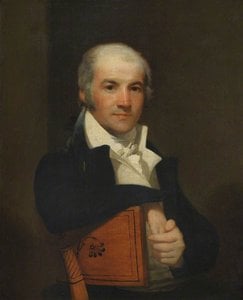
James Munroe

Experience Neoclassical dignity with Gilbert Stuart's 1821 portrait of James Monroe, capturing quiet reflection and American history's essence; discover this masterpiece today.

Gilbert Stuart (1755-1828):Pictor american remarcabil, cunoscut pentru portretele sale iconice, inclusiv imaginea lui George Washington pe banul de un dolar! Stil neoclasic și o contribuție esențială la arta americană.

Reproducere manuală în ulei

Pictură în ulei pe pânză, pictată manual, la dimensiunea și ramele dorite de dumneavoastră, realizată la comandă de artiștii noștri.

P118B $10
P118H $10
P118W $10
P438Z $10
P508JH $12
P508YH $12
P805H $10
P805Z $10
P919BZ $10
P919G $10
P919XJ $10
P959ZH $10
P968JZ $12
W106C $8
W218G $10
W218JH $8
W218Y $10
W307PJ $10
W316G $10
W316PJ $8
W316Y $10
W398PJ $8
W4111J $10
W500HY $15
W500JH $15
W692G $12
W849H $8
W940BG $15
W953PJ $8

Standard
custom
CM
INCH

Alegeți dintre dimensiunile noastre prestabilite, care respectă proporțiile originale ale operei de artă.

lățime
înălțime

Puteți introduce propriile dimensiuni pentru a se potrivi unui anumit cadru sau spațiu. Dacă dimensiunea selectată nu corespunde proporțiilor imaginii originale, vom decupa opera de artă sau vom extinde pictura cu elemente suplimentare pictate manual. O simulare digitală vă va fi trimisă pentru aprobare înainte de începerea producției.
Vă rugăm să rețineți că previzualizarea de pe ecran nu reflectă decuparea sau extinderea reală. Doar macheta va arăta cu exactitate compoziția finală.
Deși sunt disponibile dimensiuni personalizate, vă recomandăm să selectați o dimensiune din lista predefinită pentru a păstra proporțiile originale.

Exemple de elemente ce pot fi modificate: Înlocuiți fața cu fotografia clientului; Adăugați un animal de companie (de exemplu, înlocuiți pisica cu un câine); Includeți un mesaj ascuns în fundal; Schimbați peisajul sau elementele din fundal.
După plasarea comenzii, echipa WahooArt.com va trimite clientului instrucțiuni prin e-mail și îi va furniza o previzualizare a machetei

Livrare în întreaga lume () în 3/4 săptămâni, în loc de cele 5 săptămâni standard. (2 Iulie). Fără compromisuri în ceea ce privește calitatea.

why_choose_icon
Livrare expres gratuită la nivel mondial
why_choose_icon
Pânză de in de înaltă calitate
why_choose_icon
Asigurare completă pentru transport
why_choose_icon
Garanție de rambursare a taxelor vamale
why_choose_icon
Garanția fidelității culorilor
why_choose_icon
Politica de retur de 60 de zile (doar pentru defecte)
why_choose_icon
Garanție 100% de rambursare
why_choose_icon
Reducere la comenzi multiple

Preț total

-

reproduction

James Munroe

Tehnică de reproducere

Dimensiune reproducere

-

Preț total calculat

-

Informații rapide

  • Artist: Gilbert Stuart
  • Notable elements or techniques: Formal portraiture
  • Artistic style: Realistic
  • Location: Private Collection
  • Year: 1821
  • Title: James Munroe
  • Movement: Neoclassicism

Test de cunoștințe despre artă

Fiecare întrebare are un singur răspuns corect.

Întrebare 1:
What is the primary subject of Gilbert Stuart’s painting, ‘James Munroe’?
Întrebare 2:
The painting utilizes a neoclassical style characterized by:
Întrebare 3:
According to the image description, what is James Munroe wearing?
Întrebare 4:
Where was Gilbert Stuart trained during his formative years?
Întrebare 5:
What is the significance of the red curtain in the background of the painting?

Descriere operă de artă

A Portrait of Dignified Reflection: Gilbert Stuart’s James Monroe

Gilbert Stuart's depiction of James Monroe, completed in 1821, stands as a testament to the artist’s mastery of neoclassical portraiture and his ability to capture not just likeness but also an essence of character. This painting, housed in prominent collections like those of John Doggett and Abel Phillips, offers a glimpse into the intellectual landscape of early American history—a period defined by burgeoning republican ideals and ambitious aspirations for national identity.

Subject Matter and Composition

The portrait portrays Monroe seated at a table adorned with a crimson curtain backdrop – a deliberate choice that speaks to Stuart’s understanding of visual symbolism. Monroe himself is presented in formal attire, embodying the aristocratic elegance favored during Stuart's era while simultaneously conveying an air of quiet contemplation. His hands folded calmly on the tabletop suggest deliberation and seriousness, drawing the viewer’s gaze inward toward his inner thoughts. The inclusion of a book reinforces this impression, hinting at Monroe’s scholarly pursuits and intellectual engagement—a crucial aspect of his legacy as a diplomat and statesman. Stuart skillfully utilizes pyramidal composition to stabilize the figure and create a sense of balance, emphasizing Monroe's dignified posture and conveying an aura of composure.

Neoclassical Style and Technique

Stuart adhered rigorously to the principles of Neoclassicism, reflecting the artistic sensibilities prevalent in Europe during his time. This style prioritized clarity, restraint, and idealized beauty—characteristics evident in Stuart’s meticulous rendering of Monroe's features. He employed a glazing technique – applying thin layers of translucent paint over subsequent coats – to achieve luminous skin tones and subtle gradations of color. The artist meticulously observed anatomical accuracy, demonstrating an impressive understanding of human form. Furthermore, Stuart skillfully utilized chiaroscuro—the dramatic interplay between light and shadow—to sculpt Monroe’s face and drapery, enhancing the portrait's depth and creating a captivating visual experience for the viewer.

Historical Context and Symbolism

Painted during Monroe’s presidency (1813-1825), this portrait captures him at a pivotal moment in American history – as he navigated the complexities of westward expansion and solidified the nation’s position on the international stage. The crimson curtain symbolizes grandeur, nobility, and perhaps even ambition—qualities associated with Monroe's leadership. Stuart’s portrayal transcends mere representation; it aims to convey Monroe’s intellectual integrity and moral fortitude—traits considered essential for upholding republican virtue. By placing Monroe within a carefully constructed visual environment, Stuart subtly reinforces the artist’s belief in portraying subjects as embodiments of noble ideals.

Emotional Impact and Legacy

Gilbert Stuart's James Monroe transcends mere likeness, offering viewers an invitation to contemplate the character and intellect of one of America’s founding fathers. The painting’s serene composition and masterful technique evoke a sense of quiet dignity and contemplative reflection—qualities that resonate powerfully with audiences today. It serves as a reminder of Stuart’s enduring contribution to portraiture and his ability to transform visual art into a vehicle for conveying profound human qualities. As a beautifully executed reproduction, this artwork continues to inspire admiration for both artistic excellence and the spirit of intellectual curiosity.

Biografie artist

Gilbert Stuart (1755 - 1828): America's Foremost Portraitist

Gilbert Stuart, born December 3rd, 1755, in Saunderstown, Rhode Island—a village nestled within North Kingstown—was a pivotal figure in the artistic landscape of early American history. His legacy rests primarily on his unparalleled mastery of portraiture, capturing not merely likenesses but also the very essence and character of his subjects – statesmen, artists, and luminaries of their time. Though biographical details remain somewhat elusive due to embellishments by later historians and Stuart’s own penchant for storytelling, he undeniably cemented his place as one of America's most celebrated painters. ### Early Life and Training Stuart’s artistic journey commenced at a remarkably young age. Born into a family with Scottish roots—his father, Gilbert Stuart Sr., established the first snuff mill in Rhode Island—he demonstrated exceptional talent from childhood, showcasing skill even before adolescence. At fourteen, he produced “Dr. Hunter’s Spaniels,” an early work that immediately signaled his prodigious aptitude for capturing visual detail and conveying emotion. Recognizing this innate ability, Cosmo Alexander, a Scottish artist who served as Stuart's mentor, encouraged him to pursue formal artistic training in Scotland around 1771. However, following Alexander’s untimely death in 1775, Stuart returned to America, continuing his studies with Benjamin West—a prominent American painter residing in England—from 1775 to 1780. This formative period within the Royal Academy proved instrumental in honing his technique and establishing recognition amongst fellow artists. ### Artistic Career and Major Works Stuart’s career faced considerable challenges during the tumultuous years of the American Revolution, prompting him to relocate to England in 1775. Despite these difficulties, he persevered, achieving early success with “The Skater” (1782), a portrait that swiftly established his reputation as a skilled likeness artist. Yet, Stuart’s crowning achievement—and arguably his most enduring contribution to American art—is the unfinished portrait of George Washington, begun in 1796. Known universally as the Athenaeum Portrait, this image has transcended mere representation; it embodies an ideal of leadership and dignity, appearing on U.S. currency and postage stamps for over a century. Stuart meticulously executed numerous copies of this masterpiece for patrons across America and Europe, ensuring its continued prominence in artistic history. Beyond Washington, he painted portraits of John Adams, Thomas Jefferson, James Madison, and many influential figures of the Federalist elite—each canvas imbued with Stuart’s distinctive style and psychological insight. ### Influences and Development Stuart's artistic sensibilities were profoundly shaped by several key influences. Cosmo Alexander instilled in him foundational techniques and compositional principles, emphasizing realism and careful observation. Benjamin West’s mentorship further refined Stuart’s understanding of portraiture, grounding him in the traditions of European academic painting. Crucially, Stuart himself absorbed inspiration from his interactions with his subjects—a practice that allowed him to delve beneath surface appearances and capture the inner spirit of those he depicted. He skillfully blended European artistic conventions with uniquely American sensibilities, creating a style characterized by dramatic lighting effects and nuanced expressions. ### Historical Significance and Legacy Gilbert Stuart’s contribution to American art is undeniable. He played an indispensable role in documenting the formative years of the nation—preserving visual records of its leaders and shaping perceptions of their character. The Athenaeum Portrait remains an iconic symbol of American identity, embodying ideals of virtue and strength. His portraits continue to fascinate scholars and artists alike, offering invaluable insights into the lives and appearances of prominent figures from the late 18th and early 19th centuries. Stuart established a distinctive American style of portraiture that blended European techniques with uniquely American sensibilities—a legacy that ensures his name will forever be associated with excellence in artistic representation. His work is housed in major museums across the United States and Europe, guaranteeing its enduring appreciation by generations to come.
Gilbert Stuart

Gilbert Stuart

1755 - 1828 , Statele Unite ale Americii

Detalii rapide

  • Artistic Movement Or Style: Neoclasicism
  • Artists Who Influenced This Artist:
    • Cosmo Alexander
    • Benjamin West
  • Date Of Birth: 3 decembrie 1755
  • Date Of Death: 9 iulie 1828
  • Full Name: Gilbert Charles Stuart
  • Nationality: American
  • Notable Artworks:
    • George Washington (The Athenaeum Portrait)
    • John Adams
  • Place Of Birth: North Kingstown, Rhode Island
Explorați opere de artă organizate pe teme, stiluri și caracteristici.