Vezi în context Previzualizare AR Comută pe versiunea Print Comandă pictură realizată manual Trimite
Detalii Adaugă la favorite Descarcă Produse similare Radiografie Diaporama Statistici

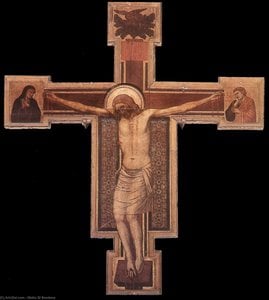
Altar Cross

Marvel at Gian Lorenzo Bernini's 'Altar Cross,' a breathtaking Baroque masterpiece showcasing intricate detail and divine artistry from 1657, now available as a hand-painted reproduction.

Gian Lorenzo Bernini (1598-1680): Sculptor și arhitect genial al Barocului, renumit pentru operele sale dramatice și expresive, precum Ecstazia Sf. Tereza și Baldachinul din Bazilicaa Sf. Petru.

Achiziționați o imagine digitală de înaltă rezoluție, îmbunătățită, mult superioară previzualizării online.

Fiecare fișier este pregătit cu meticulozitate de specialiștii noștri interni, utilizând instrumente avansate și retușare manuală expertă. Ne asigurăm că fiecare imagine beneficiază de o claritate excepțională, o acuratețe precisă a culorilor și detalii fine.

Fișierul final este livrat prin e-mail în termen de 72 de ore, optimizat pentru utilizare imediată în medii profesionale, editoriale și de imprimare. Aceasta este aceeași calitate în care au încredere studiouri de design, edituri și galerii de top.

Imagine Digitală

Descărcați un fișier la rezoluție înaltă pentru afișare personală, imprimare și proiecte creative. ( Comută pe versiunea Print Comandă pictură realizată manual)

Preț total

$ 24,90

Inclus în fiecare comandă de imagini digitale

Livrare digitală de expertiză, garantată

Când alegeți WahooArt.com, nu primiți doar o simplă imagine – primiți o operă de artă digitală îmbunătățită profesional, creată cu precizie și susținută de o garanție de satisfacție. Iată tot ceea ce primești odată cu comanda ta, în mod automat:

shipping_icon
Livrare rapidă prin e-mail

Fișierul imaginii digitale la rezoluție înaltă vă va fi trimis prin e-mail în termen de 72 de ore de la finalizarea comenzii – gata pentru utilizare imediată.

canvas_icon
Fișier digital optimizat prin IA

Opera ta de artă este optimizată profesional prin intermediul unor instrumente AI avansate și al editării manuale, asigurând un nivel maxim de detalii, claritate și acuratețe a culorilor.

insurance_icon
Retransmitere gratuită pe viață

Ai șters sau ai pierdut din greșeală fișierul? Nu îți face griji – ți-l vom retrimite oricând, gratuit.

tax_icon
Fără taxe de import – Întotdeauna

Bucură-te instant de noua ta operă de artă, fără taxe vamale, taxe de import sau costuri de livrare – descărcările digitale sunt întotdeauna fără taxe.

color_icon
Garanția fidelității culorilor

Asigurăm o reflectare cât mai fidelă a culorilor originale în imaginea ta digitală, prin utilizarea unor instrumente profesionale și a proceselor de gestionare a culorii.

return_icon
Garanție de satisfacție de 100 de zile

Dacă nu sunteți mulțumit de imaginea digitală achiziționată, o vom revizui sau vă vom returna 100% în termen de 100 de zile – fără nicio întrebare.

guarantee_icon
Garanție de returnare 100% a banilor

Nu ești mulțumit? Primești rambursarea integrală în termen de 100 de zile de la primirea fișierului digital – fără nicio întrebare.

discount_icon
Reduceri pentru comenzi în volum

Cumpără 3 imagini, economisește 10% - Cumpără 5, economisește 15% - Cumpără 10+, economisește 20%. Ideal pentru proiecte creative, galerii și agenții.

Detalii rapide

  • Year: 1657-1661
  • Artist: Gian Lorenzo Bernini
  • Dimensions: Height: 185 cm
  • Influences: Michelangelo
  • Medium: Bronze (corpus)
  • Movement: Baroque
  • Subject or theme: Christianity, Crucifixion

Chestionar de artă

Fiecare întrebare are un singur răspuns corect.

Întrebare 1:
What is the primary subject depicted in the image of the ‘Altar Cross’?
Întrebare 2:
Who is the artist credited with creating the ‘Altar Cross’?
Întrebare 3:
According to the description, what is a notable feature of the cross's arms?
Întrebare 4:
In what historical period was the ‘Altar Cross’ created?
Întrebare 5:
What artistic style is most closely associated with the ‘Altar Cross’?

The Altar Cross by Gian Lorenzo Bernini: A Testament to Baroque Drama

Gian Lorenzo Bernini’s “Altar Cross,” crafted in 1657-61 and currently residing within the Treasury of St. Peter's Basilica, is more than just a religious object; it’s a breathtaking embodiment of the High Renaissance’s dramatic shift into the Baroque era. This magnificent bronze sculpture transcends its functional purpose as an altar piece, transforming into a dynamic tableau of faith, suffering, and divine grace. Bernini, already establishing himself as Rome's foremost sculptor, masterfully utilizes texture, movement, and emotional intensity to create a work that continues to captivate viewers centuries after its creation.

The sculpture depicts the crucified Christ, rendered with an unprecedented level of realism and pathos. The figure’s body, sculpted from gleaming bronze, is not idealized but rather imbued with the raw physicality of pain. Bernini meticulously captures the subtle details – the clenched muscles, the contorted limbs, the downward gaze – conveying a profound sense of agony while simultaneously radiating an aura of serene acceptance. Crucially, he avoids the static representation often found in earlier Christian art; Christ’s body appears to be caught mid-movement, as if enduring his final moments with agonizing intensity. This dynamism is further emphasized by the dramatic lighting within the Treasury, which casts long shadows and highlights the contours of the sculpture, intensifying its emotional impact.

A Masterclass in Baroque Technique

Bernini’s skill as a sculptor is immediately apparent in the sheer virtuosity displayed throughout the “Altar Cross.” He employs a technique known as *terrecotta*, using a clay-based material that he then fired to create a durable bronze. This method allowed him to achieve an astonishing level of detail and surface texture, particularly evident in the folds of Christ’s drapery and the intricate carvings on the cross's arms. The use of *lost wax casting* – a process where a wax model is created and then melted out to leave a mold into which molten bronze is poured – ensured that every curve and contour was perfectly rendered. Bernini wasn’t simply sculpting; he was manipulating metal with an almost alchemical precision, transforming cold, hard material into a vessel for profound emotion.

Furthermore, the sculpture's composition is brilliantly conceived. The cross itself isn’t merely a structural element but becomes an integral part of Christ’s body, visually merging with his limbs and torso. The small figures adorning the arms – angels or cherubs – are not static additions but seem to be caught in moments of empathetic sorrow, mirroring Christ's suffering. This interwoven design creates a powerful sense of unity and reinforces the sculpture’s central theme: the shared experience of pain and redemption.

Historical Context and Patronage

Bernini’s “Altar Cross” was commissioned during a period of immense artistic and political upheaval in Rome. The papacy, under Pope Alexander VII (and later Urban VIII), was actively engaged in commissioning monumental works of art to glorify the Church and assert its power. Bernini, as the papal sculptor, was at the heart of this artistic renaissance. His work served not only as religious iconography but also as a potent symbol of Rome’s enduring legacy and spiritual authority. The commission itself reflects the growing emphasis on emotional engagement within Christian art – a departure from the more austere styles of the preceding era.

The sculpture's placement within St. Peter's Basilica, specifically in the Treasury, further underscores its significance. The Treasury, traditionally used to store the Church’s wealth and sacred objects, provided an ideal setting for this dramatic centerpiece. It speaks to the intersection of faith, power, and artistic expression that defined Baroque Rome.

Symbolism and Emotional Resonance

Beyond its technical brilliance, the “Altar Cross” is rich in symbolic meaning. The crucifixion itself represents Christ’s sacrifice for humanity's sins – a central tenet of Christian belief. The downward gaze of Christ symbolizes humility and acceptance of his fate. The outstretched arms evoke the image of a loving embrace, offering salvation to all who believe. The angels or cherubs represent divine compassion and support. Bernini doesn’t simply depict a historical event; he conveys an emotional truth – the profound sorrow and ultimate hope associated with Christ's sacrifice. The sculpture invites contemplation on themes of suffering, redemption, and the enduring power of faith, making it a timeless masterpiece that continues to resonate with viewers today.


Biografie artist

A Roman Genius: The Life and Legacy of Gian Lorenzo Bernini

Gian Lorenzo Bernini, a name synonymous with the Baroque era, was more than just an artist; he was a transformative force that reshaped the visual landscape of Rome and profoundly influenced generations of European artists. Born in Naples in 1598, his journey to becoming one of history’s most celebrated sculptors and architects began within a family steeped in artistic tradition – his father, Pietro Bernini, was himself a respected sculptor. This familial workshop provided young Gian Lorenzo with an invaluable foundation, not just through rigorous technical training but also by immersing him in the classical heritage that would become so central to his artistic vision. He wasn’t simply taught techniques; he absorbed the very spirit of Roman sculpture, devouring the masterpieces housed within the Vatican collections and meticulously studying their forms and principles – a process that foreshadowed the revolutionary style he was destined to create. Even as a child, Bernini's innate talent surpassed that of his father, hinting at the extraordinary force he would unleash upon the world.

Sculpting Emotion: The Birth of Baroque Drama

Bernini is unequivocally considered the preeminent sculptor of the Baroque period, a style characterized by its dynamic energy, intense emotionality, and breathtaking grandeur. He didn’t merely sculpt figures; he breathed life into marble, imbuing them with moments of profound psychological depth and dramatic narrative that resonated deeply with viewers. Unlike the idealized forms and static beauty often associated with Renaissance sculpture, Bernini embraced movement, theatricality, and the raw power of human emotion. His work transcended mere representation, aiming to evoke a visceral response – a feeling, an experience – in those who beheld it. Key elements defined his distinctive style: a masterful ability to convey complex emotions through subtle shifts in facial expression and body language; an astonishing technical proficiency that allowed him to render textures—flowing hair, delicate fabrics, smooth skin—with remarkable realism; and above all, a commitment to dramatic narrative, depicting scenes of intense action or spiritual climax. The *Ecstasy of Saint Teresa*, housed within the Cornaro Chapel, stands as perhaps his most iconic achievement – a swirling composition of marble, bronze, and light that captures a mystical experience with an almost overwhelming emotional force. The figures seem to be caught in a perpetual dance of ecstasy, their bodies intertwined in a breathtaking display of movement and emotion. Other masterpieces like *Apollo and Daphne* and *David* showcase this same dynamic energy, transforming cold stone into fleeting moments of transformation and poised tension – a testament to Bernini’s ability to capture the essence of human drama within his sculptures.

Beyond Sculpture: Architecture and Urban Visions

Bernini's genius extended far beyond the realm of sculpture; he was a remarkably versatile artist who made significant contributions to architecture and urban planning, fundamentally reshaping the cityscape of Rome. His architectural designs were never conceived in isolation; they were always intricately interwoven with his sculptural work, creating unified artistic experiences that blurred the boundaries between disciplines. The monumental *Baldacchino* above the high altar of St. Peter’s Basilica is a prime example of this holistic approach – a soaring bronze canopy that dominates the space and draws the eye upwards in awe, symbolizing both earthly power and divine grace. He also played a pivotal role in redesigning several Roman piazzas, transforming them into vibrant public spaces filled with fountains, statues, and architectural embellishments. The *Fountain of Four Rivers* in Piazza Navona is a particularly striking example – a dynamic composition featuring allegorical figures representing the major rivers from different continents, brought to life through Bernini’s masterful use of sculpture and architecture. His work on St. Peter’s Basilica, including the expansive colonnade that embraces visitors as they approach, dramatically altered the basilica's appearance and created a grand ceremonial space befitting the heart of Christendom – a testament to his ambition and vision.

A Lasting Influence: Bernini’s Historical Significance

Gian Lorenzo Bernini profoundly impacted the course of Western art. His innovative approach to sculpture established the Baroque style as a dominant force in European art for over a century, influencing generations of artists with his dramatic compositions and technical virtuosity. He wasn't merely an imitator of classical forms; he synthesized them with a new sense of dynamism and emotional intensity, creating something entirely original. His integration of sculpture, architecture, and painting into unified artistic experiences set a new standard for artistic expression, demonstrating the power of art to engage all the senses and evoke profound emotions. As Howard Hibbard eloquently noted, Bernini’s impact was so significant that he stands as “the greatest sculptor of the 17th century.” His works continue to inspire awe and admiration, solidifying his place as one of history's most important artists – a true *uomo universale* whose legacy continues to resonate today.

Family & Further Achievements

  • Pietro Bernini: Gian Lorenzo’s father, a sculptor who provided early training and guidance.
  • Cardinal Scipione Borghese: An early patron whose commissions allowed Bernini to develop his signature style.
  • Pope Urban VIII: Bernini's most significant patron, providing extensive opportunities for architectural and sculptural projects in Rome.
  • Architectural Projects: Beyond St. Peter’s Basilica, Bernini designed churches like Sant’Andrea al Quirinale and contributed to the design of Palazzo Barberini.
  • Theatrical Designs: He was also a playwright and stage designer, creating elaborate sets and machinery for theatrical productions.
Gian Lorenzo Bernini

Gian Lorenzo Bernini

1598 - 1680 , Italia

Informații esențiale

  • Artistic Movement Or Style: Baroc
  • Artists Or Movements Influenced By This Artist:
    • Baroc sculptură
    • Art european
  • Artists Who Influenced This Artist:
    • Pietro Bernini
    • Michelangelo
  • Date Of Birth: 7 Decembrie 1598
  • Date Of Death: 28 Noiembrie 1680
  • Full Name: Gian Lorenzo Bernini
  • Nationality: Italian
  • Notable Artworks:
    • Ecstasy Teresa
    • Apollo Daphne
    • David
    • Baldacchino
  • Place Of Birth: Napoli, Italia