
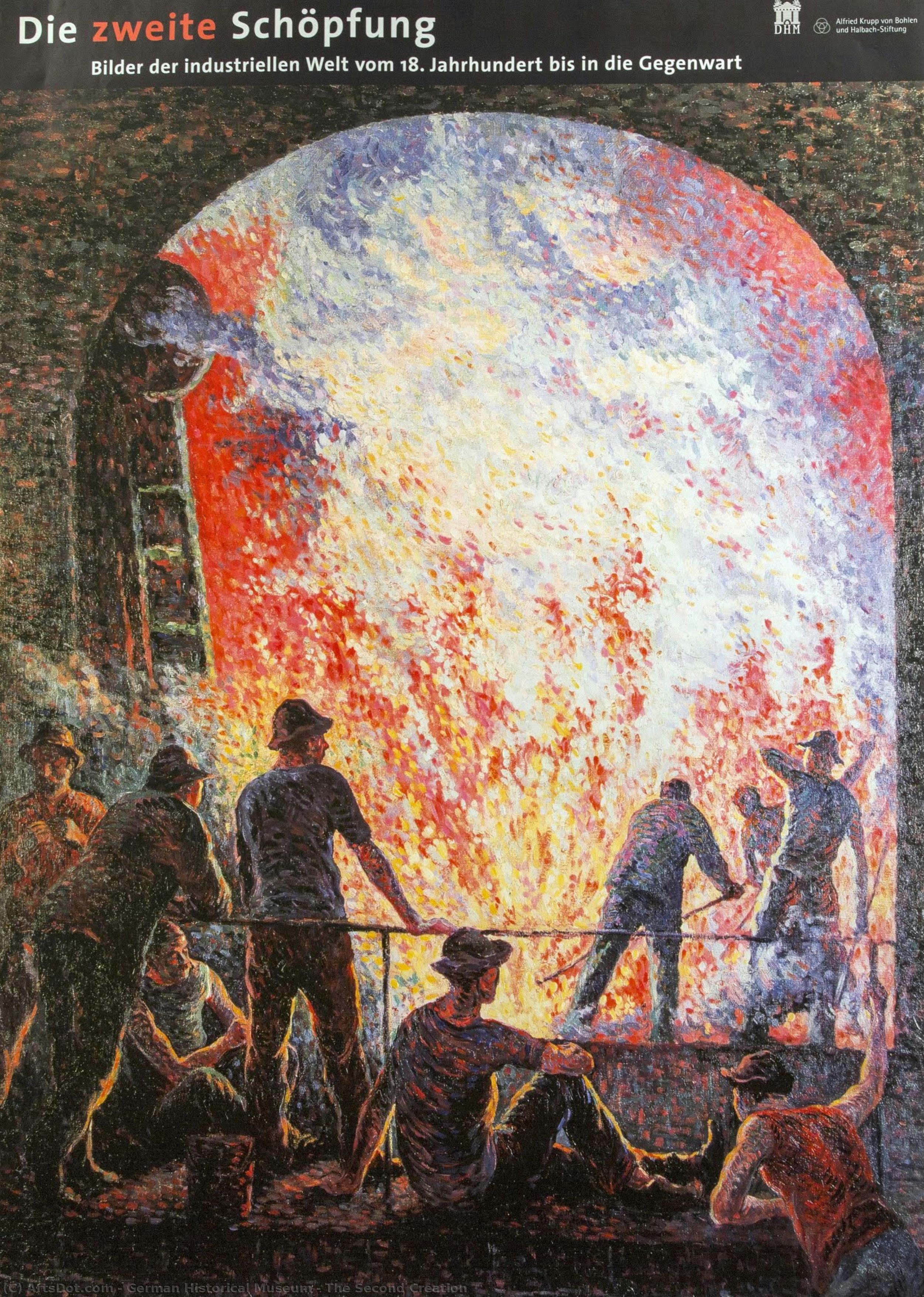
Lucrarea de artă afișată pe această pagină este protejată de legile privind drepturile de autor, ceea ce înseamnă că nu putem crea sau vinde în mod legal o reproducere identică. Această protecție este garantată prin acorduri internaționale, precum Convenția de la Berna și de legile naționale, inclusiv cele prevăzute de Legea dreptului de autor din S.U.A. – Titlul 17. Toate drepturile rezervate. Orice reproducere neautorizată este interzisă.
Această metodă respectă pe deplin reglementările privind drepturile de autor, deoarece nu implică copierea sau duplicarea operei protejate. În schimb, este o reinterpretare creativă – o pictură nouă, influențată de original, dar care nu este identică cu acesta.
Printuri giclée sau pe canvas de calitate muzeală, cu proces de producție rapid și opțiuni flexibile de finisare. ( Comandă pictură realizată manual Comută pe Imagine Digitală)
Alegeți dintre dimensiunile noastre prestabilite, care respectă proporțiile originale ale operei de artă.

Introduceți lățimea și înălțimea necesare pentru a se potrivi ramei sau peretelui dumneavoastră. O printare poate fi doar tăiată, niciodată extinsă dincolo de dimensiunea imaginii originale, astfel încât o dimensiune cu o formă diferită va pierde o parte din imagine. Vă trimitem o simulare digitală pentru aprobare înainte de a imprima orice. Imaginea afișată pe această pagină nu prezintă tăierea reală — doar simularea arată acest lucru.
Livrare în întreaga lume () în 2 săptămâni, în loc de cele 4/5 săptămâni standard. (16 Noiembrie)
The Second Creation
Dimensiune reproducere

In the heart of Berlin, where the echoes of imperial grandeur meet the transparent promise of modernity, stands the Deutsches Historisches Museum (DHM). It is not merely a repository for relics but a living, breathing dialogue between the past and the present. Situated within the historic Zeughaus—a formidable 17th-century armoury that once pulsed with the military ambition of Prussia—the museum offers a profound architectural juxtaposition. Here, the heavy, weathered brickwork of the old world finds its counterpart in the luminous, contemporary additions designed by the visionary I. M. Pei, creating a space where history is not just stored, but actively interpreted.
The museum serves as a vital sanctuary for German and European identity, acting as a place of enlightenment and understanding. Its collections are meticulously integrated into three distinct museum areas, arranged in a chronological journey that allows visitors to trace the evolution of a nation. From the formidable arsenal of the Zeughaus to the specialized Museum für Deutsche Geschichte, every exhibit serves as a testimony to the complex, often tumultuous, shared history of Germans and Europeans. It is a site where the weight of tradition meets the clarity of modern scholarship.
To walk through the halls of the German Historical Museum is to navigate a landscape shaped by both conflict and reconstruction. The museum’s location on the Unter den Linden, just across the Spree from the legendary Museum Island, places it at the very epicenter of Berlin's cultural soul. The Zeughaus itself, once an arsenal for Prussian military might, provides a rugged, historical foundation that grounds the collection in the physical reality of power and defense. This historic structure is seamlessly connected to a modern exhibition hall, a feat of architectural brilliance that symbolizes the transition from a closed, imperial past to an open, democratic future.
The museum’s mission extends far beyond the mere display of objects; it seeks to foster a deeper connection to the shared heritage of a continent. Through its curated exhibitions, the DHM explores themes of:
The significance of the German Historical Museum lies in its ability to act as a bridge across time. By housing artifacts that range from medieval armaments to contemporary political documents, it provides the necessary context for understanding the modern world. The museum does not shy away from the difficult chapters of history; rather, it uses them as essential components of a larger narrative of resilience and change. It remains one of the most important and frequently visited institutions in Berlin, standing as a testament to the enduring power of historical memory.
As a cornerstone of Berlin's cultural landscape, the DHM continues to evolve, ensuring that the stories of the past remain relevant to the generations of the future. It remains a place where every artifact tells a story, and every visitor becomes a participant in the ongoing process of historical discovery.

Germany

Explore the cultural significance of fine art reproduction & its appeal to discerning collectors. Discover how reproductions enhance aesthetics, build collections, and signal status. Expert insights & museum-quality artistry.
 Previzualizare

 Trimite prin felicitare
 Distribuie
 Detalii despre lucrare
 Ghid


 Descarcă imaginea
 Produse similare
 Radiografie
 Galerie foto
 Întrebări și răspunsuri

 Statistici


 Vezi mai mult






































 Opțiunea cu sticlă este disponibilă doar pentru dimensiuni de sub 110 cm


