PrevizualizarePrevizualizare Previzualizare ARPrevizualizare AR Switch to Print Switch to PrintComandă pictură lucrată manual Comandă pictură lucrată manual TrimiteTrimite
Detalii despre lucrareDetalii despre lucrare Adaugă la favorite Adaugă la favorite DescarcăDescarcă Produse similareProduse similare RadiografieRadiografie Diapozitive automateDiapozitive automate StatsStats

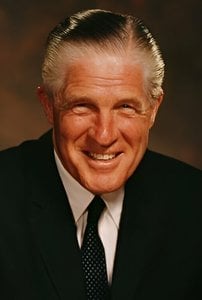
Possibly William Thomas Meyer

Admire George Romney's masterful portraiture style in this captivating depiction of an elegant gentleman dressed in crimson attire – a timeless piece reflecting the grandeur of the late 18th century.

Descoperiți George Romney (1734-1802), pictorul de renume al societății britanice! Admirați stilul său elegant, portrete captivante și miza sa, Emma Hamilton. Cumpărați reproduceri acum!

Achiziționați o imagine digitală de înaltă rezoluție, îmbunătățită, mult superioară previzualizării online.

Fiecare fișier este pregătit cu meticulozitate de specialiștii noștri interni, utilizând instrumente avansate și retușare manuală expertă. Ne asigurăm că fiecare imagine beneficiază de o claritate excepțională, o acuratețe precisă a culorilor și detalii fine.

Fișierul final este livrat prin e-mail în termen de 72 de ore, optimizat pentru utilizare imediată în medii profesionale, editoriale și de imprimare. Aceasta este aceeași calitate în care au încredere studiouri de design, edituri și galerii de top.

Imagine Digitală

Descărcați un fișier la rezoluție înaltă pentru afișare personală, imprimare și proiecte creative. (Switch to Print Switch to PrintComandă pictură lucrată manual Comandă pictură lucrată manual)

Preț total

$ 24,90

Inclus în fiecare comandă de imagini digitale

Livrare digitală de expertiză, garantată

Când alegeți WahooArt.com, nu primiți doar o simplă imagine – primiți o operă de artă digitală îmbunătățită profesional, creată cu precizie și susținută de o garanție de satisfacție. Iată tot ceea ce primești odată cu comanda ta, în mod automat:

shipping_icon
Livrare rapidă prin e-mail

Fișierul imaginii digitale la rezoluție înaltă vă va fi trimis prin e-mail în termen de 72 de ore de la finalizarea comenzii – gata pentru utilizare imediată.

canvas_icon
Fișier digital optimizat prin IA

Opera ta de artă este optimizată profesional prin intermediul unor instrumente AI avansate și al editării manuale, asigurând un nivel maxim de detalii, claritate și acuratețe a culorilor.

insurance_icon
Retransmitere gratuită pe viață

Ai șters sau ai pierdut din greșeală fișierul? Nu îți face griji – ți-l vom retrimite oricând, gratuit.

tax_icon
Fără taxe de import – Întotdeauna

Bucură-te instant de noua ta operă de artă, fără taxe vamale, taxe de import sau costuri de livrare – descărcările digitale sunt întotdeauna fără taxe.

color_icon
Garanția acurateții culorilor

Asigurăm o reflectare cât mai fidelă a culorilor originale în imaginea ta digitală, prin utilizarea unor instrumente profesionale și a proceselor de gestionare a culorii.

return_icon
Garanție de satisfacție de 100 de zile

Dacă nu sunteți mulțumit de imaginea digitală achiziționată, o vom revizui sau vă vom returna 100% în termen de 100 de zile - fără nicio întrebare.

guarantee_icon
Garanție de returnare 100% a banilor

Nu ești mulțumit? Primești rambursarea integrală în termen de 100 de zile de la primirea fișierului digital – fără nicio întrebare.

discount_icon
Reduceri pentru comenzi în volum

Cumpără 3 imagini, economisește 10% - Cumpără 5, economisește 15% - Cumpără 10+, economisește 20%. Ideal pentru proiecte creative, galerii și agenții.

Informații rapide

  • Notable elements or techniques: Visible brushstrokes, Soft lighting
  • Subject or theme: Portraiture
  • Location: Private Collection
  • Influences: Romanticism
  • Medium: Oil on canvas
  • Artistic style: Romneyesque
  • Title: Possibly William Thomas Meyer

A Gaze Through Time: The Soul of Regency Elegance

In the quietude of George Romney’s Possibly William Thomas Meyer, one finds more than just a mere likeness; one encounters a profound moment of psychological stillness captured forever in oil. Painted during the twilight of the eighteenth century, between 1795 and 1802, this portrait serves as a window into the refined dignity of the British Regency era. The subject, whether indeed the enigmatic William Thomas Meyer or another gentleman of status, gazes outward with an expression that is simultaneously present and deeply introspective. It is an arresting stillness—a gaze that seems to look through the viewer, lost in a private world of contemplation. For the collector or the lover of classical portraiture, this piece offers a rare opportunity to possess a fragment of history, embodying the grace and social poise that defined an entire epoch.

The emotional resonance of the work lies in its ability to bridge the gap between the sitter and the spectator. There is no performative bravado here, only a soft, dignified vulnerability. This subtle emotional depth makes the painting an exceptional choice for sophisticated interiors, where it can serve as a focal point of quiet strength, inviting long periods of reflection and conversation.

The Mastery of Light and Venetian Influence

To understand the brilliance of this portrait, one must look closely at Romney’s technical virtuosity. Heavily influenced by the grand traditions of Venetian masters and the contemporary prestige of Joshua Reynolds, Romney moved away from the stiff, formal rigidity that often plagued aristocratic commissions of his time. Instead, he embraced a more fluid, naturalistic approach. His technique involved the meticulous application of thin, translucent glazes over a preparatory underpainting, a method that allows light to penetrate the layers of pigment and reflect back, creating a luminous, lifelike quality in the subject's skin.

The artist’s palette is a masterclass in subtle contrast. Using natural pigments such as ochre, umber, and ivory black, Romney builds a rich texture that breathes life into the canvas. The deep, commanding red of the sitter's coat provides a striking counterpoint to the dark, indistinct background, ensuring that the viewer’s eye is drawn immediately to the face and the delicate textures of the attire. The visible yet controlled brushstrokes lend a sense of movement and vitality to the fabric, suggesting the weight of the cloth and the softness of the skin with remarkable accuracy. This interplay of light and shadow—the chiaroscuro effect—not only defines the physical form but also heightens the dramatic, atmospheric mood of the piece.

A Timeless Addition to the Curated Home

For interior designers and connoisseurs of fine art, Possibly William Thomas Meyer represents a pinnacle of classical aesthetic appeal. The painting’s color story—dominated by rich crimsons, warm earth tones, and soft highlights—complements a wide array of decor styles, from the traditional grandeur of a library or study to the more contemporary, minimalist elegance of a modern gallery-style living space. It possesses that rare quality of being both a historical artifact and a living piece of art that breathes life into a room.

Investing in a high-quality reproduction of this masterpiece allows one to bring the prestige of the Regency era into the contemporary home. It is an invitation to surround oneself with beauty, history, and the enduring legacy of George Romney’s incomparable ability to capture the very essence of the human spirit. Whether placed in a prominent position to anchor a room or tucked into a quiet corner to offer a moment of peace, this portrait remains a timeless testament to the power of classical portraiture.


Biografie artist

A Life in Portraiture: The World of George Romney

Born in the picturesque landscape of Dalton-in-Furness, Lancashire, on December 15th, 1734, George Romney ascended to become one of the most sought-after portrait painters of his era. His journey from a cabinet maker’s son to the favored artist of British high society is a compelling narrative of innate talent and unwavering ambition. Early life offered little indication of the artistic path he would forge; initially apprenticed to his father, it was an inherent inclination towards drawing and craftsmanship that led him to Christopher Steele, a local portraitist who had studied in Paris. This apprenticeship proved pivotal, providing Romney with foundational skills and an introduction to European artistic traditions. He quickly surpassed his master, however, demonstrating a precocious talent demanding further cultivation. A brief, unhappy marriage and subsequent separation propelled him towards London in 1762, a city brimming with opportunity but also fierce competition.

Establishing a Reputation: Style and Technique

London proved to be a crucible for Romney’s artistic development. He swiftly established himself as a formidable portraitist, challenging the dominance of artists like Thomas Gainsborough and Sir Joshua Reynolds. While he never sought membership in the Royal Academy – a decision that perhaps limited his access to certain patronage – his success was undeniable. Romney's style evolved over time, initially reflecting the influence of Steele and his Parisian training, but soon blossomed into something distinctly his own. He possessed an exceptional ability to capture not merely the likeness, but also the personality and social standing of his sitters. His portraits are characterized by elegant poses, a refined use of light and shadow, and a subtle psychological insight that set him apart. Romney’s technique was marked by a delicate touch and a preference for flowing lines, often drawing inspiration from classical sculpture. He skillfully employed color to convey texture and depth, creating portraits that were both visually striking and emotionally resonant. His ability to flatter his subjects while maintaining artistic integrity earned him the loyalty of an elite clientele. He understood the power of suggestion, hinting at character rather than explicitly defining it, a quality that appealed to those who valued discretion and refinement.

The Muse and Her Influence: Emma Hamilton

Romney’s life took a dramatic turn with his encounter with Emma Hart, later known as Lady Hamilton, in 1782. She became not only his most celebrated model but also his muse, profoundly influencing his artistic output. Emma's beauty, intelligence, and theatrical flair captivated Romney, inspiring a series of portraits that explored themes of classical mythology, dramatic narrative, and feminine grace. He depicted her in various roles – as a spinner, as the tragic Miranda from Shakespeare’s *The Tempest*, and in numerous allegorical scenes that showcased her expressive range. These works demonstrate Romney's willingness to experiment with composition and symbolism, moving beyond conventional portraiture into more imaginative territory. The Tempest series, in particular, reveals a Romantic sensibility at play, anticipating the emotional intensity of later artists. The relationship was intense and all-consuming for Romney, though ultimately unfulfilled romantically; Emma eventually became the mistress of Lord Nelson, a union that cemented her place in history. Nevertheless, their artistic collaboration left an indelible mark on both their lives and produced some of Romney’s most enduring masterpieces. It is said he painted over 80 portraits of her, each revealing a different facet of her captivating personality.

A Painter's Struggles and Legacy

Despite his remarkable success, George Romney faced personal challenges that impacted his artistic career. His marriage was unhappy, and his later years were marred by mental health issues, leading to periods of inactivity and self-doubt. He struggled with the pressure of meeting the demands of a wealthy clientele and often worked quickly to complete commissions, which sometimes compromised the quality of his work. However, Romney’s influence on British portraiture is undeniable. He helped shape the aesthetic sensibilities of the late 18th century, contributing to a style that emphasized elegance, psychological depth, and artistic flair. His portraits offer invaluable insights into the lives and tastes of the British elite during his time, providing a visual record of their social customs, fashion, and intellectual pursuits. Romney’s work continues to be admired for its technical brilliance and emotional resonance, and he remains a significant figure in the history of art – a master portraitist who captured the spirit of an age. His legacy is not just in the hundreds of paintings and drawings that remain as testaments to his skill, but also in the way he redefined the possibilities of the genre.

Key Works

Here are some of George Romney’s most notable works:
  • Peter and James Romney (1764)
  • Portrait of G. Cowper (1765)
  • The Death of General Wolfe (1769)
  • Mrs. Carwardine & Son (1773)
  • Lady Hamilton as Miranda from *The Tempest* (1782-1783) – a series of six paintings

George Romney

George Romney

1734 - 1802 , Regatul Unit al Marii Britanii și Irlandei

Detalii rapide

  • Artistic Movement Or Style: Portraiture, Romanticism
  • Artists Or Movements Influenced By This Artist:
    • Reynolds
    • Gainsborough
  • Artists Who Influenced This Artist:
    • Steele
    • Vanloo
  • Date Of Birth: 15 Dec. 1734
  • Date Of Death: 15 Nov. 1802
  • Full Name: George Romney
  • Nationality: British
  • Notable Artworks:
    • Peter & James
    • General Wolfe
    • Mrs. Carwardine
  • Place Of Birth: Dalton-in-Furness, UK