PrevizualizarePrevizualizare Previzualizare ARPrevizualizare AR Comută pe Print Comută pe PrintComută pe Imagine Digitală Comută pe Imagine Digitală TrimiteTrimite
Detalii despre lucrareDetalii despre lucrare Adaugă la favorite Adaugă la favorite DescarcăDescarcă Produse similareProduse similare RadiografieRadiografie Diapozitive automateDiapozitive automate StatisticiStatistici

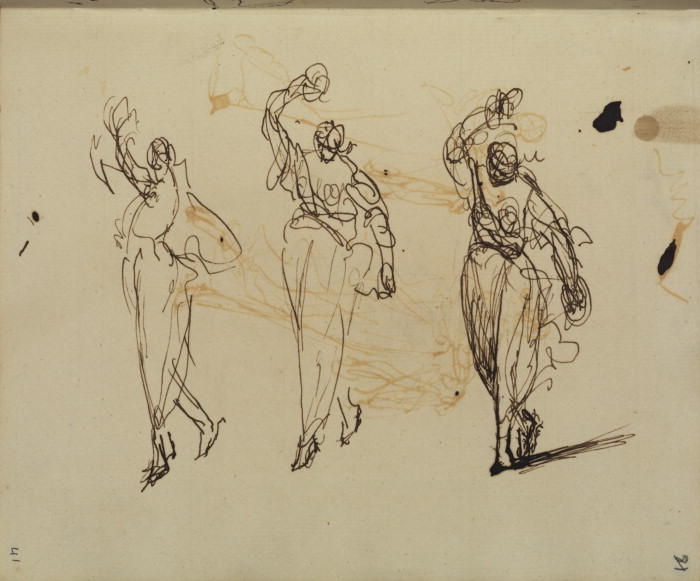
Page from a sketchbook 27

Explore George Romney's 'Page from a Sketchbook 27,' a dynamic study of figures showcasing his rapid sketching technique and artistic process. A glimpse into 18th-century portraiture.

Descoperiți George Romney (1734-1802), pictorul de renume al societății britanice! Admirați stilul său elegant, portrete captivante și miza sa, Emma Hamilton. Cumpărați reproduceri acum!

Reproducere pictată manual în ulei

Pictură în ulei pe pânză, realizată manual de artiștii noștri la dimensiunea și ramele dorite de dumneavoastră, pe comandă. (Comută pe Print Comută pe PrintComută pe Imagine Digitală Comută pe Imagine Digitală)

Standard
personalizat
CM
INCH

Alegeți dintre dimensiunile noastre prestabilite, care respectă proporțiile originale ale operei de artă.

lățime
înălțime

Puteți introduce propriile dimensiuni pentru a se potrivi unui anumit cadru sau spațiu. Dacă dimensiunea selectată nu corespunde proporțiilor imaginii originale, vom decupa opera de artă sau vom extinde pictura cu elemente suplimentare pictate manual. O simulare digitală vă va fi trimisă pentru aprobare înainte de începerea producției.
Vă rugăm să rețineți că previzualizarea de pe ecran nu reflectă decuparea sau extinderea reală. Doar macheta va arăta cu exactitate compoziția finală.
Deși sunt disponibile dimensiuni personalizate, vă recomandăm să selectați o dimensiune din lista predefinită pentru a păstra proporțiile originale.

Exemple de elemente ce pot fi personalizate: Înlocuiți fața cu fotografia clientului; Adăugați un animal de companie (de exemplu, înlocuiți pisica cu un câine); Includeți un mesaj ascuns în fundal; Schimbați peisajul sau elementele din fundal.
După plasarea comenzii, echipa WahooArt.com va contacta clientul prin e-mail pentru instrucțiuni și îi va furniza o previzualizare a machetei

Livrare în întreaga lume () în 3-4 săptămâni, în loc de cele 5 săptămâni standard. (10 Septembrie). Fără compromisuri în ceea ce privește calitatea.

why_choose_icon
Livrare expres gratuită la nivel mondial
why_choose_icon
Pânză de in de înaltă calitate
why_choose_icon
Asigurare completă pentru transport
why_choose_icon
Garanție de rambursare a taxelor vamale
why_choose_icon
Garanția fidelității culorilor
why_choose_icon
Politica de retur de 100 de zile (doar pentru defecte)
why_choose_icon
Garanție de rambursare 100%
why_choose_icon
Ofertă pentru comenzi multiple

Preț total

$ 272

reproduction

Page from a sketchbook 27

Tehnică de reproducere

Dimensiune reproducere

-

Preț total calculat

$ 272

Informații rapide

  • Title: Page from a sketchbook 27
  • Artistic style: Sketch study approach
  • Medium: Ink or charcoal on paper
  • Movement: 18th-century drawing practices
  • Subject or theme: Human figures in motion
  • Influences:
    • Shakespeare
    • Milton
    • Howard

Test de cultură artistică

Fiecare întrebare are un singur răspuns corect.

Întrebare 1:
What is the primary medium used in this artwork?
Întrebare 2:
Which artistic movement best describes George Romney's style?
Întrebare 3:
What is the overall impression conveyed by the loose, gestural lines in this sketch?
Întrebare 4:
Based on the description, what appears to be the primary subject matter of these sketches?

Page from a Sketchbook 27 by George Romney: A Glimpse into Creative Process

  • Subject Matter: This artwork presents a captivating page extracted from one of George Romney's sketchbooks, specifically identified as "Sketchbook 27." It’s not a finished composition but rather a collection of dynamic figure studies. The sketches depict several overlapping figures in various poses, suggesting movement and action. While the specific narrative isn't explicitly defined within this page alone, it likely served as preparatory work for larger figurative paintings or portraits.
  • Style & Technique: Romney’s style here is characterized by a rapid, gestural approach—a hallmark of his sketchbook practice. The lines are loose and sketchy, prioritizing the capture of form and movement over meticulous detail. He employs hatching and cross-hatching to suggest shading and volume, creating a sense of immediacy and spontaneity. The limited color palette – primarily browns and beiges with subtle reddish-brown washes – further emphasizes the focus on line and form rather than vibrant coloration.
  • Historical Context: Created around the late 18th century (exact date unknown), this sketchbook page reflects a common practice among artists of that era. Sketchbooks were essential tools for studying anatomy, composition, and capturing fleeting moments of inspiration. Romney, a prominent portraitist of his time, used these sketches to explore ideas before committing them to larger canvases. This piece offers valuable insight into the working methods of a leading British artist during the period.
  • Symbolism & Emotional Impact: While lacking overt symbolic elements, the sketch conveys a sense of energy and dynamism. The loose style and overlapping figures evoke a feeling of spontaneity and creative exploration. It provides a glimpse into Romney's artistic process—a moment of experimentation and visual discovery. The viewer is invited to witness the artist’s hand at work, capturing movement and form with remarkable efficiency.

About George Romney

  • Born: May 26, 1734, in Beckside, Dalton-in-Furness, Lancashire (now Cumbria), United Kingdom.
  • Romney was the third of eleven children born to John Romney, a cabinet maker, and Anne Simpson.
  • Early Artistic Training: He initially showed an inclination towards art, leading to an apprenticeship with Christopher Steele, a portraitist who had studied under Carlo Vanloo in Paris. This foundational training provided him with crucial skills and exposure to European artistic traditions.

Artistic Development and Breakthrough

  • Romney moved to London around 1760, seeking greater opportunities for his burgeoning career.
  • He quickly established himself as a skilled portrait painter, competing with prominent artists like Thomas Gainsborough and Joshua Reynolds.
  • Style & Technique: Romney’s style evolved over time, characterized by a blend of classical influences and a distinctive naturalism. He was known for his ability to capture the likeness and personality of his sitters while imbuing his portraits with a sense of drama and elegance.

Additional Resources


Biografie artist

A Life in Portraiture: The World of George Romney

Born in the picturesque landscape of Dalton-in-Furness, Lancashire, on December 15th, 1734, George Romney ascended to become one of the most sought-after portrait painters of his era. His journey from a cabinet maker’s son to the favored artist of British high society is a compelling narrative of innate talent and unwavering ambition. Early life offered little indication of the artistic path he would forge; initially apprenticed to his father, it was an inherent inclination towards drawing and craftsmanship that led him to Christopher Steele, a local portraitist who had studied in Paris. This apprenticeship proved pivotal, providing Romney with foundational skills and an introduction to European artistic traditions. He quickly surpassed his master, however, demonstrating a precocious talent demanding further cultivation. A brief, unhappy marriage and subsequent separation propelled him towards London in 1762, a city brimming with opportunity but also fierce competition.

Establishing a Reputation: Style and Technique

London proved to be a crucible for Romney’s artistic development. He swiftly established himself as a formidable portraitist, challenging the dominance of artists like Thomas Gainsborough and Sir Joshua Reynolds. While he never sought membership in the Royal Academy – a decision that perhaps limited his access to certain patronage – his success was undeniable. Romney's style evolved over time, initially reflecting the influence of Steele and his Parisian training, but soon blossomed into something distinctly his own. He possessed an exceptional ability to capture not merely the likeness, but also the personality and social standing of his sitters. His portraits are characterized by elegant poses, a refined use of light and shadow, and a subtle psychological insight that set him apart. Romney’s technique was marked by a delicate touch and a preference for flowing lines, often drawing inspiration from classical sculpture. He skillfully employed color to convey texture and depth, creating portraits that were both visually striking and emotionally resonant. His ability to flatter his subjects while maintaining artistic integrity earned him the loyalty of an elite clientele. He understood the power of suggestion, hinting at character rather than explicitly defining it, a quality that appealed to those who valued discretion and refinement.

The Muse and Her Influence: Emma Hamilton

Romney’s life took a dramatic turn with his encounter with Emma Hart, later known as Lady Hamilton, in 1782. She became not only his most celebrated model but also his muse, profoundly influencing his artistic output. Emma's beauty, intelligence, and theatrical flair captivated Romney, inspiring a series of portraits that explored themes of classical mythology, dramatic narrative, and feminine grace. He depicted her in various roles – as a spinner, as the tragic Miranda from Shakespeare’s *The Tempest*, and in numerous allegorical scenes that showcased her expressive range. These works demonstrate Romney's willingness to experiment with composition and symbolism, moving beyond conventional portraiture into more imaginative territory. The Tempest series, in particular, reveals a Romantic sensibility at play, anticipating the emotional intensity of later artists. The relationship was intense and all-consuming for Romney, though ultimately unfulfilled romantically; Emma eventually became the mistress of Lord Nelson, a union that cemented her place in history. Nevertheless, their artistic collaboration left an indelible mark on both their lives and produced some of Romney’s most enduring masterpieces. It is said he painted over 80 portraits of her, each revealing a different facet of her captivating personality.

A Painter's Struggles and Legacy

Despite his remarkable success, George Romney faced personal challenges that impacted his artistic career. His marriage was unhappy, and his later years were marred by mental health issues, leading to periods of inactivity and self-doubt. He struggled with the pressure of meeting the demands of a wealthy clientele and often worked quickly to complete commissions, which sometimes compromised the quality of his work. However, Romney’s influence on British portraiture is undeniable. He helped shape the aesthetic sensibilities of the late 18th century, contributing to a style that emphasized elegance, psychological depth, and artistic flair. His portraits offer invaluable insights into the lives and tastes of the British elite during his time, providing a visual record of their social customs, fashion, and intellectual pursuits. Romney’s work continues to be admired for its technical brilliance and emotional resonance, and he remains a significant figure in the history of art – a master portraitist who captured the spirit of an age. His legacy is not just in the hundreds of paintings and drawings that remain as testaments to his skill, but also in the way he redefined the possibilities of the genre.

Key Works

Here are some of George Romney’s most notable works:
  • Peter and James Romney (1764)
  • Portrait of G. Cowper (1765)
  • The Death of General Wolfe (1769)
  • Mrs. Carwardine & Son (1773)
  • Lady Hamilton as Miranda from *The Tempest* (1782-1783) – a series of six paintings

George Romney

George Romney

1734 - 1802 , Regatul Unit al Marii Britanii și Irlandei

Detalii rapide

  • Artistic Movement Or Style: Portraiture, Romanticism
  • Artists Or Movements Influenced By This Artist:
    • Reynolds
    • Gainsborough
  • Artists Who Influenced This Artist:
    • Steele
    • Vanloo
  • Date Of Birth: 15 Dec. 1734
  • Date Of Death: 15 Nov. 1802
  • Full Name: George Romney
  • Nationality: British
  • Notable Artworks:
    • Peter & James
    • General Wolfe
    • Mrs. Carwardine
  • Place Of Birth: Dalton-in-Furness, UK
Explorați opere de artă organizate pe teme, stiluri și caracteristici.