O viață dedicată explorării artistice
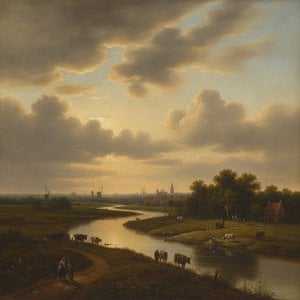
Gabriël Metsu, un pictor olandez din Țările de Jos, a trăit o existență marcată de o neîncetată curiozitate și inovație artistică. Născut în 1629, opera lui Metsu a întruchipat cu măreție spiritul Epocii de Aur olandeze, o perioadă celebrată pentru productivitatea sa artistică fără precedent. Această biografie explorează viața și creațiile acestui personaj enigmatic, ale căror contribuții la universul artei continuă să fascineze privitorii de pretutindeni.
Primele ani și influențele formative
Metsu s-a născut în 1629, fiind fiul lui Jacques Metsu, un tapiser și pictor originar din Hainaut. Acest bagaj cultural eclectic a modelat probabil interesul timpuriu al lui Gabriel pentru diverse tehnici artistice complexe. Mutarea familiei la Leiden, orașul în care acesta și-a petrecut tinerețea, l-a expus la o multitudine de influențe culturale vibrante, oferindu-i o bază solidă pentru dezvoltarea sa ulterioară.
Cariera artistică
Cariera lui Metsu a fost definită de refuzul de a se limita la un singur stil sau tehnică, fapt ce i-a adus recunoașterea de „artist extrem de eclectic”. Opera sa vastă cuprinde picturi istorice, naturi moarte, portrete și scene de gen de o finețe rară. Este remarcabil faptul că doar 14 dintre cele 133 de lucrări ale sale sunt datate, lăsând loc multor mistere despre procesul său creativ și despre evoluția sa estetică.
- Influența lui Rembrandt van Rijn asupra primelor lucrări ale lui Metsu este evidentă, în special prin modul magistral de utilizare a luminii și a culorii.
- Mutarea sa la Amsterdam în 1655 a marcat o schimbare semnificativă în stilul său, punând un accent mai mare pe interioarele domestice și pe capturarea atmosferei scenelor de gen.
- Formarea sa alături de Michiel van Musscher și Joost van Geel reflectă devotamentul său profund față de comunitatea artistică a vremii.
Opere memorabile și moștenire
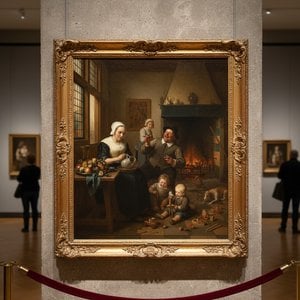
Tablourile lui Metsu încadre ază adesea figuri de femei tinere, scene de piață și bătrâni, inspirându-se din simbolismul emblemelor populare ale epocii. Un exemplu aparte este
Vânzătoarea de păsări, o operă care demonstrează măiestria sa în utilizarea simbolismului pentru a transmite mesaje subtile.
Lucrări cheie: - Copilul bolnav (aprox. 1664), o operă ce reflectă admirația profundă a lui Metsu pentru creațiile lui Vermeer.
- Portretul familiei Hinlopen, o capodoperă care îmbină armonios pictura de gen cu portretul clasic.
Muzee și colecții
Lucrările lui Metsu pot fi admirate în diverse muzee de renume, inclusiv în celebrul Rijksmuseum din Amsterdam. Pentru mai multe detalii despre arta sa și pentru a explora alți pictori de excepție din Epoca de Aur olandeză, vizitați /en/art/show/art-d3c627-en/ pentru o perspectivă cuprinzătoare asupra acestui univers fascinant.
Concluzie: Viața și arta lui Gabriel Metsu sunt o dovadă vie a spiritului inovator al Epocii de Aur olandeze. Stilul său eclectic, deși uneori enigmatic, a lăsat o amprentă indelibilă în istoria artei europene. Pe măsură ce descoperim noi detalii despre viața și operele sale, suntem reamintiți de impactul profund pe care l-a avut asupra dezvoltării artei occidentale.
- Pentru o înțelegere mai profundă a Epocii de Aur olandeze, consultați această resursă.
- Explorați mai multe dintre operele lui Metsu și ale contemporanilor săi la All Paintings Store.
Referințe:



 Vezi în context
 Comandă pictură realizată manual
 Trimite
 Distribuie
 Detalii
 Ghidul

 Descarcă
 Produse similare
 Radiografie
 Diaporama
 Statistici

 Citește mai mult






































 Opțiunea cu sticlă este disponibilă doar pentru dimensiuni de sub 110 cm